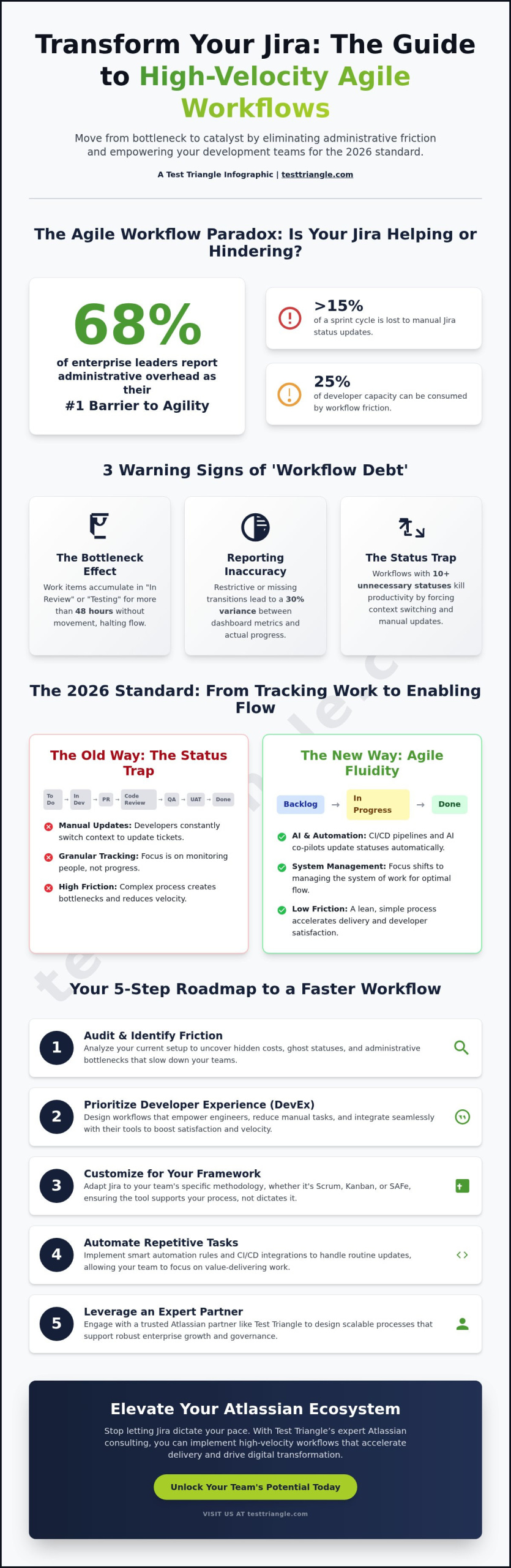
By 2026, treating technical recruitment as a mere HR function will be the fastest way to derail a multi-million dollar digital transformation. You’ve likely seen how a single bad hire in a ServiceNow implementation or a sudden vacancy in a Jira administration role can stall progress for months. According to 2024 industry data, the cost of replacing a specialized technical lead often exceeds 150% of their annual salary; a risk no enterprise can afford to ignore. By aligning high-tier IT Staffing Services with strategic business objectives, Test Triangle helps organizations secure the niche skills required to maintain operational stability.

You need a team that scales without sacrificing precision or institutional knowledge. This article provides a strategic comparison of staffing, managed services, and offshore models to help you find the optimal fit for your specific technical requirements. We will analyze how to reduce your time-to-hire for niche expertise while ensuring your talent delivery model supports the triad of Technology, Talent, and Transformation. As your Trusted Partner, we’ll show you how to move beyond simple capacity and toward a model of true technical capability.

Key Takeaways

  • Understand the critical transition from generalist technical roles toward hyper-specialized ecosystem experts in platforms such as Atlassian, AWS, and ServiceNow.
  • Evaluate the strategic trade-offs between augmenting internal capacity via IT Staffing Services and leveraging the outcome-based accountability of a managed services model.
  • Discover how to implement rigorous, platform-specific technical vetting that ensures your candidates possess proven mastery rather than just theoretical knowledge.
  • Identify the essential compliance and security benchmarks required to secure specialized talent within highly regulated sectors like Pharma, Finance, and Healthcare.
  • Bridge the strategic gap between talent acquisition and digital transformation by adopting flexible engagement models that ensure long-term operational stability.

The 2026 IT Talent Landscape: Why Traditional Staffing is Evolving

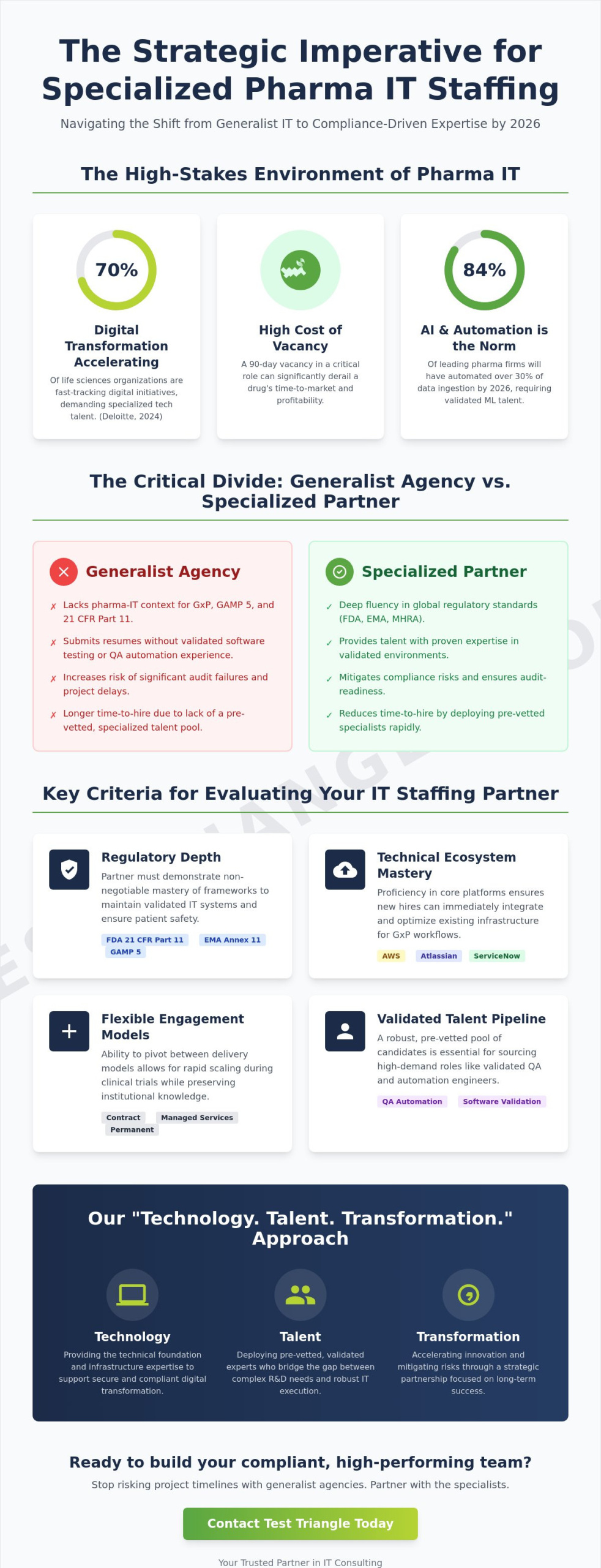
By examining the current trajectory of enterprise technology, it’s clear that the traditional recruitment model has been rendered obsolete by the demand for hyper-specialization. Organizations no longer seek generalist developers who understand broad concepts; instead, they require strategic architects who possess deep-rooted expertise in specific ecosystems like Atlassian, AWS, or ServiceNow. This shift has transformed the well-documented ‘skills gap’ into a ‘strategic gap’, where the inability to find niche talent directly halts business transformation goals. By 2026, industry projections suggest that 75% of enterprise digital initiatives will face significant delays not due to a lack of budget, but because of a lack of platform-specific architectural talent. To mitigate these risks, IT Staffing Services must evolve to provide more than just resumes; they must deliver proven capability.

AI-augmented development tools are projected to increase coding efficiency by 40% by 2026. While some feared this would reduce the need for human talent, it has actually altered the fundamental composition of technical teams. We’re seeing a move away from large groups of junior coders toward smaller, elite squads of ‘AI-orchestrators’ who can manage automated workflows while maintaining rigorous security standards. This change necessitates a fundamental rethink of hiring requirements, prioritizing professionals who can leverage AI to accelerate delivery without compromising system integrity. The 2026 IT staffing market is a sophisticated hybrid of high-level human expertise and platform-specific mastery.

The Rise of Ecosystem-Specific Talent

Modern enterprises are prioritizing platform mastery over traditional programming languages. While Java and Python remain foundational, the real value lies in professionals who can navigate the complexities of Jira Service Management or ServiceNow implementation flawlessly. In highly regulated sectors such as Pharmaceuticals, the necessity for ‘validated’ talent is paramount. By providing professionals who understand both the technical stack and the regulatory GxP compliance frameworks, Test Triangle ensures that digital infrastructures remain robust and audit-ready. We bridge the gap between platform implementation and talent provision by ensuring every candidate is vetted against the specific demands of these global ecosystems.

Digital Transformation as a Recruitment Catalyst

Digital transformation acts as a primary driver for modern recruitment, necessitating a move from routine maintenance to driving continuous innovation. As businesses accelerate their DevOps and Cloud migration projects, the role of IT Staffing Services becomes increasingly strategic. By integrating specialized talent with advanced IT Service Management solutions, companies can ensure that their human capital is perfectly aligned with their technological roadmap. This alignment allows organizations to leverage talent as a tool for scalable growth. As a Trusted Partner, Test Triangle helps businesses transition their workforce from operational support to strategic value creation, ensuring that every hire contributes to long-term stability and transformation.

Decoding Delivery Models: Staffing vs. Managed IT Services

Selecting the appropriate engagement framework is a strategic architectural decision that directly influences an enterprise’s long-term agility and operational stability. While IT Staffing Services typically focus on augmenting an existing team with specific technical expertise to fill immediate gaps, managed services represent a shift toward outsourcing the complete outcome and accountability of a function. This distinction is critical; one provides capacity, while the other provides a guaranteed result. By understanding these nuances, technical leaders can transition from reactive hiring to a proactive model of capability building.

A hybrid approach often proves most effective for global enterprises seeking to build internal centers of excellence. By utilizing IT Staffing Services to seed internal teams with high-tier expertise, businesses can maintain control over proprietary knowledge while gradually maturing their internal processes. This requires a clear cost-benefit analysis between the upfront placement fees associated with permanent hires and the recurring subscription models characteristic of managed services. While staffing offers immediate control, managed services provide the relief of risk mitigation through rigorous SLAs and performance metrics.

When to Choose IT Staffing Augmentation

Staffing augmentation is the ideal solution for short-term project bursts or when a specific technical gap threatens a deadline. It’s particularly effective during high-impact phases of a DevOps sprint or an AWS cloud migration where maintaining internal culture and direct control is paramount. By integrating temporary contract staff into your existing workflows, you can scale capacity rapidly without the long-term overhead of permanent headcount. This model ensures that your core team remains the primary driver of innovation while external experts provide the specialized heavy lifting required for complex implementations.

The Strategic Case for Managed Outsourcing

Shifting risk and SLA accountability to a Managed Outsourcing partner allows organizations to elevate their focus toward core business transformation. This model is exceptionally robust for critical but non-core functions such as Manual Testing or Automation Testing, where global delivery centers can provide 24/7 operational stability. By leveraging a partner’s established infrastructure and methodologies, enterprises drive efficiency and reduce the management burden on internal stakeholders. If you’re unsure which model best aligns with your 2026 roadmap, you can consult with our strategic architects to find the optimal balance for your infrastructure.
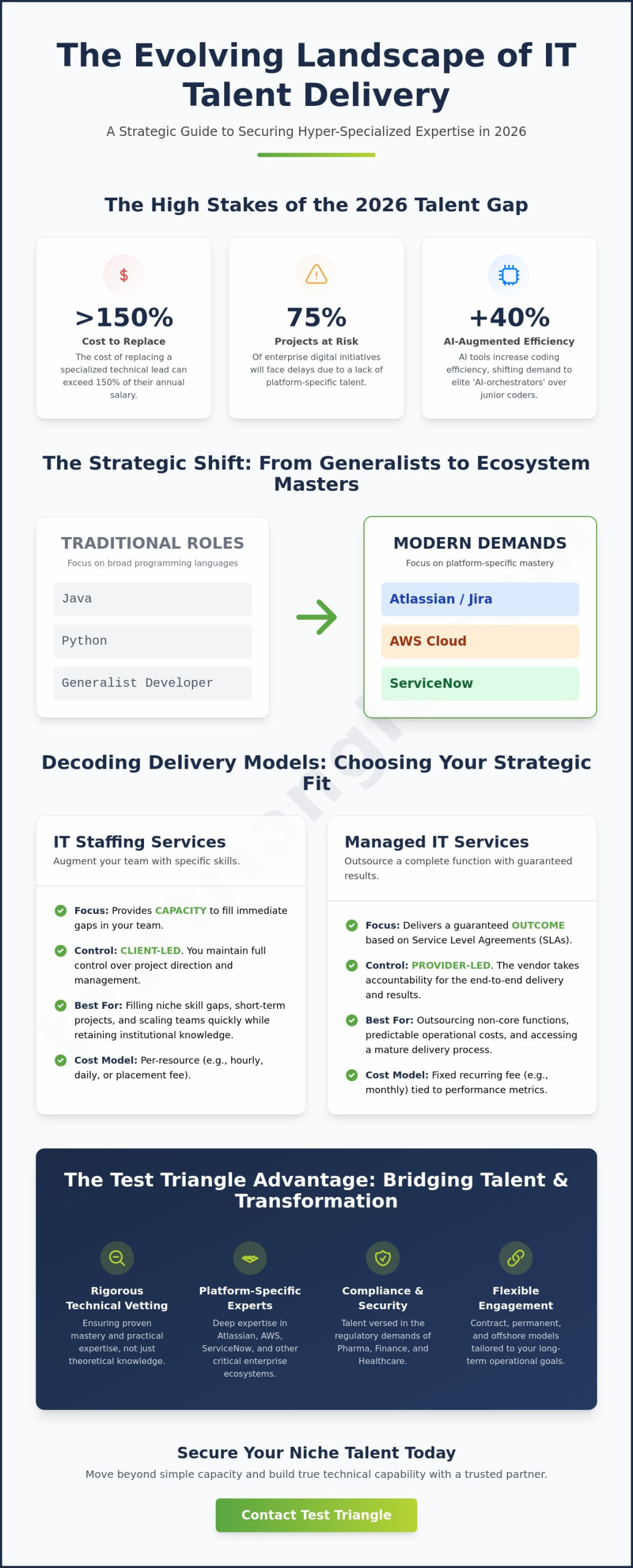
IT Staffing Services in 2026: A Strategic Comparison of Talent Delivery Models

Comparing IT Staffing Options: Permanent, Contract, and Offshore

Architecting a resilient technical workforce requires a nuanced understanding of how different talent delivery models serve distinct business objectives. While permanent placements provide the institutional foundation necessary for long-term leadership, contract and offshore models offer the agility required to navigate rapid shifts in the technological landscape. By diversifying your approach to IT Staffing Services, you can balance the need for deep-rooted internal knowledge with the flexibility to scale during high-intensity project phases. This strategic mix ensures that your digital transformation remains on track even when niche expertise is in short supply.

Modern offshore models in 2026 rely on ‘follow-the-sun’ productivity cycles to ensure that development and support continue across every time zone without interruption. This evolution has transformed offshore resources from simple cost-saving measures into high-specialization centers that drive 24/7 innovation. When integrated correctly, these global talent pools allow enterprises to optimize their budgets while maintaining a relentless pace of delivery. Success in this model depends on selecting a Trusted Partner who can bridge cultural gaps and ensure that remote teams are fully aligned with your core business values.

Permanent Talent: The Foundation of Strategy

Internalizing expertise in mission-critical platforms like Atlassian or ServiceNow is essential for maintaining a stable digital infrastructure. Permanent hires build the institutional memory required to manage complex system architectures flawlessly over several years. However, calculating the true ROI of these roles involves more than just salary; it requires a comprehensive analysis of Recruitment and Talent Acquisition Placement Fees against the cost of potential turnover. In a competitive 2026 market, retention strategies must focus on providing clear pathways for technical growth to protect these vital human assets.

Contract and Offshore: The Agility Advantage

Contract staffing provides the tactical flexibility needed to pilot emerging technologies without the long-term commitment of a permanent headcount. Many global enterprises now use specialized contractors to spearhead the implementation of Artificial Intelligence Services, allowing them to test and refine AI workflows before scaling internally. This approach mitigates risk while accelerating the time-to-market for innovative solutions. By leveraging IT Staffing Services that provide vetted, high-tier contract talent, organizations can maintain a lean core team while accessing a vast reservoir of specialized skills for DevOps sprints and cloud migrations.

Strategic Selection: How to Evaluate IT Staffing Services

Selecting the right IT Staffing Services involves more than reviewing a portfolio of past projects; it requires a partner who understands the intricate balance between Manual Testing and high-level strategic consulting. By conducting platform-specific technical assessments, enterprises can verify mastery in Jira or ServiceNow before a contract is signed. This prevents the high cost of bad hires, which often reaches 2.5 times an employee’s annual salary in specialized technical roles. A Strategic Architect ensures that every candidate possess the technical rigor required to sustain a robust digital infrastructure while integrating seamlessly with your internal Agile or DevOps workflows.

Compliance and security benchmarks represent a non-negotiable layer of the evaluation process, particularly for global enterprises in the Pharma, Finance, and Healthcare sectors. In these regulated environments, a staffing provider must demonstrate a deep understanding of GxP, HIPAA, or GDPR standards. By 2026, 85% of enterprise-level technical audits are expected to focus on the security credentials of external contractors. To mitigate these risks, your partner should have a proven track record of delivering talent that adheres to the most stringent security protocols. If you’re ready to secure your infrastructure with vetted experts, you can request a strategic staffing audit from our team today.

The Vetting Process: Talent Meets Technology

Your staffing partner’s credibility is anchored in their status as a certified implementation partner for platforms like Atlassian and ServiceNow. This ensures they aren’t just reading resumes but are actively testing for the platform-specific mastery mentioned in previous sections. It’s essential to verify their expertise as one of the leading IT staffing agencies for pharmaceutical industry requirements, where validation and precision are paramount. By assessing a partner’s internal training and upskilling programs, you ensure they can provide talent that is current with the 2026 technological landscape.

Service Level Agreements (SLAs) in Staffing

Defining success in IT Staffing Services requires clear, measurable SLAs that go beyond the initial hire. Key performance indicators should include a time-to-fill of under 21 days for niche roles and a first-year retention rate exceeding 90% for permanent placements. Transparency in Recruitment and Talent Acquisition Placement Fees is equally critical to ensure long-term budget alignment. By maintaining a focus on ongoing performance management, Test Triangle ensures that external talent continues to drive value long after the onboarding phase is complete.

The Test Triangle Advantage: Bridging Talent and Transformation

By combining deep technical expertise with adaptable delivery models, Test Triangle helps global enterprises navigate the complexities of the 2026 digital landscape. We don’t just fill seats; we architect high-performance teams. Our signature framework-Technology. Talent. Transformation.-serves as the cornerstone of our identity as a Trusted Partner. Whether you require a single specialized contractor or a full-scale Atlassian Implementation, our approach ensures that your talent acquisition is perfectly synchronized with your business transformation goals. Test Triangle effectively mitigates operational risks through technical precision and the deployment of elite talent that understands the intersection of code and commerce.

A Partner-Led Approach to Staffing

Our strategic partnerships with industry leaders like AWS, Atlassian, and ServiceNow directly inform our talent selection process. By maintaining these high-level certifications, we ensure that the candidates provided through our IT Staffing Services possess current, validated expertise rather than outdated theoretical knowledge. As an organization with a robust global offshore reach, we offer a unique blend of localized accountability and 24/7 scalability. We’ve spent over 15 years helping enterprises in Banking and Life Sciences accelerate their digital roadmaps by providing specialized squads that understand the nuances of high-stakes, regulated environments. This partner-led approach ensures that every placement contributes to long-term operational stability and flawless technical execution.

Ready to Transform Your IT Team?

Customising a staffing model that fits your 2026 roadmap begins with an honest assessment of your current talent vs. technology gaps. Our strategic advisors work with you to identify where capacity shortages are hindering your ability to leverage Artificial Intelligence Services or DevOps automation effectively. We provide a steady hand in a fast-changing technological landscape, ensuring your growth remains scalable and secure. By choosing our Staffing Solutions, you gain access to a disciplined, globally-minded network of professionals who are ready to drive innovation. Our IT Staffing Services bridge the gap between your current state and your transformation goals. Consult with our IT Staffing Experts today to discover how our adaptable engagement models can elevate your digital infrastructure and secure your long-term success.

Securing Your Digital Future Through Strategic Talent Architecture

As the 2026 technical landscape continues to prioritize platform-specific mastery over generalist coding, your choice of delivery model will define your organization’s agility. Moving beyond simple capacity to true capability requires a partner who understands the nuances of Atlassian, AWS, and ServiceNow ecosystems. By integrating high-tier IT Staffing Services into your broader digital strategy, you can mitigate the 150% replacement cost risk associated with technical turnover. Our status as an Atlassian Gold Solution Partner and a Strategic Partner for ServiceNow and AWS ensures that every professional we provide meets the highest global standards.

Whether you’re navigating the complex compliance requirements of the Pharma sector or driving a cloud migration in Finance, Test Triangle provides the technical precision needed for flawless execution. We invite you to Scale your technical team with Test Triangle’s Strategic Staffing Solutions and transform your talent acquisition into a competitive advantage. Let’s build a robust, scalable infrastructure together that stands the test of time and drives your business forward.

Frequently Asked Questions

What is the difference between IT staffing and an IT managed service provider?

IT staffing focuses on providing specialized talent to augment your existing internal teams, whereas a managed service provider takes full accountability for the delivery and outcomes of a specific technical function. While staffing gives you direct control over the individual’s daily tasks, a managed service model operates under strict Service Level Agreements to guarantee results. This distinction allows enterprises to choose between scaling their own capacity or outsourcing the entire operational risk of a project.

How do IT staffing agencies vet technical candidates for niche roles like DevOps?

Technical vetting for niche roles involves platform-specific assessments that go beyond basic resume reviews to verify mastery in tools like Jira, Kubernetes, or AWS. Elite agencies utilize certified implementation experts to conduct peer-to-peer interviews, ensuring candidates can handle real-world architectural challenges flawlessly. By 2026, 90% of successful placements in DevOps rely on these practical coding evaluations to reduce the risk of a bad hire in high-stakes environments.

What are the typical fees for IT staffing services in 2026?

Typical fees for IT Staffing Services generally range from 15% to 30% of the candidate’s first-year annual salary, depending on the role’s complexity and the engagement model. Industry reports from 2024 suggest that specialized niche roles, such as ServiceNow architects, often command fees at the higher end of this spectrum due to extreme talent scarcity. These costs cover the entire recruitment lifecycle, including advanced technical vetting, background checks, and administrative onboarding.

Can IT staffing services help with offshore or remote resource management?

Yes, modern staffing agencies provide the infrastructure and legal frameworks necessary to manage technical talent across diverse global time zones. These services allow enterprises to leverage ‘follow-the-sun’ productivity cycles, ensuring that development and support continue 24/7 without interruption. By handling local compliance, payroll, and cultural integration, an agency enables you to focus on strategic transformation while they manage the operational complexities of a distributed workforce.

How long does it typically take to fill a specialised IT role through an agency?

Filling a specialized IT role typically takes between 21 and 45 days, depending on the rarity of the required technical stack. While generalist roles might be filled faster, niche expertise in platforms like Atlassian or ServiceNow requires a more methodical search and vetting process to ensure a perfect fit. Strategic agencies maintain pre-vetted talent pools to accelerate this timeline, often reducing the time-to-hire by 30% compared to traditional internal recruitment methods.

Why should I use a specialised IT staffing agency instead of a general recruiter?

Specialized agencies possess deep-rooted domain knowledge in specific technical ecosystems, allowing them to identify high-tier talent that general recruiters often overlook. They understand the difference between theoretical knowledge and practical implementation experience in complex infrastructures like Jira Service Management. This technical precision ensures that every candidate is not just a cultural fit but a strategic asset capable of driving your digital transformation goals forward from day one.

What are the benefits of contract-to-hire staffing models?

The contract-to-hire model provides a low-risk trial period that allows both the enterprise and the professional to evaluate their long-term compatibility before committing to permanent employment. This approach reduces the cost of bad hires by 60% according to 2025 recruitment benchmarks, as technical skills and cultural alignment are proven in a real-world project environment. It offers the flexibility to scale capacity quickly while building a reliable pipeline for future leadership roles within the organization.

How does Test Triangle ensure compliance for Pharma IT staffing?

Test Triangle ensures compliance by vetting every candidate against rigorous GxP, HIPAA, and GDPR standards required for the life sciences sector. Our deep-rooted expertise in Pharma IT Staffing includes regular security audits and specialized training programs to ensure talent understands the validation protocols of highly regulated environments. This methodical approach mitigates the risk of regulatory non-compliance, providing global enterprises with the confidence that their technical infrastructure remains audit-ready and secure.

Paul Guy

Article by

Paul Guy

Paul serves as the Marketing Director at Test Triangle, where he leads a global team in driving growth through strategic B2B marketing and brand communications. With a strong emphasis on measurable outcomes and sustainable performance, he plays a pivotal role in aligning marketing functions to enhance customer engagement and accelerate business impact. Under his leadership, marketing initiatives have consistently delivered significant returns on investment, elevated brand visibility, and strengthened the company's presence across key markets.


If your QA strategy still treats bug detection as a final gate rather than a continuous value driver, you’re already behind the 2026 curve. With the FDA’s final Quality Management System Regulation (QMSR) taking full effect on February 2, 2026, the margin for error in software assurance has vanished. Selecting a qa software testing company is no longer about finding a vendor; it’s about securing a strategic architect for your digital ecosystem.

You’ve likely felt the sting of reputational damage from high post-release defect rates or the frustration of QA silos that stall your DevOps pipelines. It’s exhausting when your testing team can’t scale fast enough to meet major release deadlines. This guide empowers you to master the evaluation process for a high-tier partner that aligns technology, talent, and transformation to achieve a truly flawless delivery cycle. By prioritizing a risk-based approach to software assurance, we’ll provide a strategic checklist to help you reduce the cost of quality through automation while ensuring your new partner integrates seamlessly with your existing Jira and Atlassian workflows.

Key Takeaways

  • Transition from reactive testing to proactive Quality Engineering to safeguard your digital infrastructure against the escalating global costs of software failure.
  • Utilize our 10-point evaluation checklist to select a qa software testing company that offers the specialized domain expertise necessary for complex enterprise environments.
  • Integrate advanced AI-driven defect analysis and robust DevOps consulting into your toolchain to optimize performance and shorten time-to-market.
  • Match your organizational needs with flexible delivery models, including specialized pharma IT staffing and managed services, for scalable 24/7 testing coverage.
  • Align your digital transformation goals with a partner that leverages Atlassian and ServiceNow expertise to ensure a flawless, secure, and robust software delivery lifecycle.

Defining the Strategic Role of a QA Software Testing Company in 2026

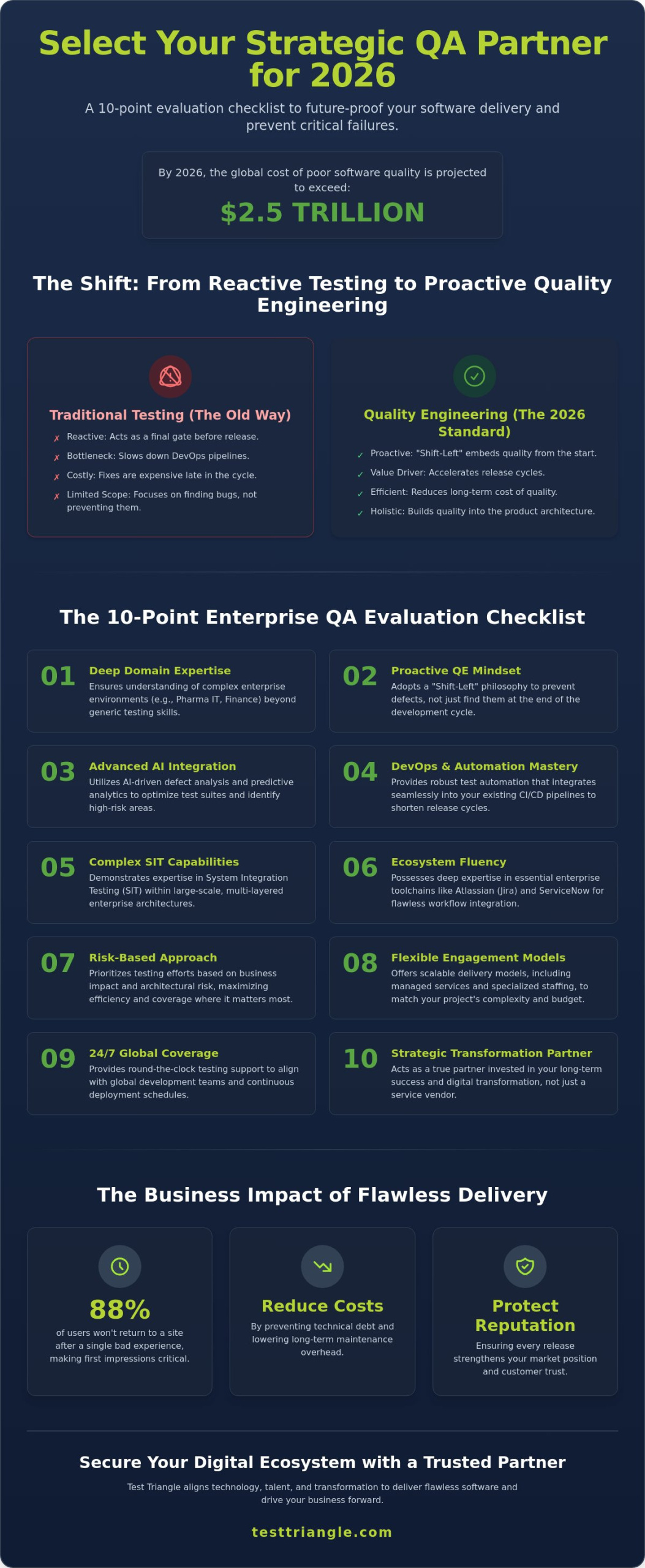
Software failure is no longer just a technical glitch; it’s a multi-trillion dollar liability. By 2026, the global cost of poor software quality is projected to exceed $2.5 trillion, driven by complex legacy systems and the rapid acceleration of AI-integrated applications. To survive this environment, your qa software testing company must transition from a reactive vendor to a “Strategic Architect.” This model doesn’t just look for bugs after the code is written. Instead, it aligns Technology, Talent, and Transformation to secure your entire digital ecosystem from the ground up.

As enterprises prioritize AWS cloud migration and large-scale digital transformation, the risk of operational downtime increases. A high-tier partner mitigates this risk by acting as a steady hand, ensuring that new infrastructures aren’t just functional but resilient. While foundational software testing focuses on verifying code against requirements, the 2026 landscape demands a partner that anticipates architectural weaknesses before they manifest as customer-facing failures.

Quality Engineering vs. Traditional Software Testing

Traditional testing often acts as a bottleneck, occurring at the end of the development cycle where fixes are most expensive. In contrast, Quality Engineering (QE) adopts a “Shift-Left” philosophy, integrating validation protocols into the earliest stages of the software development lifecycle. This proactive approach ensures that quality is built into the product rather than inspected at the end. By leveraging automated pipelines and predictive analytics, QE allows teams to identify high-risk areas during the design phase, significantly accelerating release cycles.

Quality Engineering is a holistic discipline of continuous improvement that embeds quality standards into every phase of the development lifecycle.

The Business Impact of Flawless Software Delivery

Flawless delivery is the cornerstone of brand reputation. In an era where 88% of users won’t return to a site after a single bad experience, the stakes for your digital interfaces are absolute. Robust testing doesn’t just catch errors; it reduces long-term maintenance costs and prevents the accumulation of technical debt that stifles innovation. When your QA partner integrates seamlessly with your IT Service Management Solutions, they create a feedback loop that improves not just the software, but the entire delivery toolchain.

By combining technical expertise with adaptable delivery models, a strategic qa software testing company empowers your business to scale without compromising stability. You aren’t just buying a service; you’re investing in a “Trusted Partner” dedicated to your long-term operational excellence. This alignment ensures that every release strengthens your market position rather than creating a reputational liability.

The Enterprise QA Evaluation Checklist: 10 Critical Selection Criteria

Selecting a qa software testing company requires more than a cursory glance at a service list. For decision-makers comparing multiple vendors, a structured checklist is essential to distinguish between superficial technical skills and deep domain expertise. While many firms can write a script, few understand the nuances of System Integration Testing (SIT) within complex enterprise architectures. You need a partner that balances human intuition with AI-driven efficiency, ensuring machine learning optimizes your test suites without losing the critical eye of a seasoned engineer.

Industry experts often emphasize how to find a good company for independent software QA testing services by focusing on transparency and work ethic. This transparency is vital when evaluating how a partner manages the balance between manual rigor and automated speed. Your evaluation should prioritize these ten critical pillars: deep domain knowledge, toolchain mastery, SIT capabilities, Atlassian integration, AI-driven automation, ISO compliance, CMMI maturity, security testing, performance benchmarking, and communication transparency.

Technical Proficiency and Toolchain Expertise

Mastery in automation frameworks like Selenium, Playwright, and Cypress is a baseline requirement. However, true value lies in how these tools integrate with your existing reporting structures. A superior qa software testing company should demonstrate deep proficiency in Atlassian Implementation Services. This ensures every defect discovered is automatically logged, tracked, and resolved within your Jira ecosystem, creating a single source of truth for your development and QA teams.

Certifications and Compliance Standards

Process predictability is the hallmark of an institutional-grade partner. ISO 27001 and ISO 9001 certifications aren’t optional; they’re the foundation of enterprise security and quality management. For sectors like Life Sciences, verify that the vendor understands GxP compliance and validated software testing protocols. Assessing a partner’s CMMI Level maturity provides a data-backed guarantee that their delivery models are repeatable and optimized for risk mitigation.

Security and Performance Benchmarks

Security shouldn’t be an afterthought. Evaluate your partner’s approach to the OWASP Top 10 and their ability to conduct deep penetration testing. Simultaneously, ensure they can handle high-load performance benchmarks for global applications, moving beyond simple stress tests to complex user-journey simulations. For a deeper look at these evolving standards, explore our insights on Software QA Services in 2026. If you’re ready to move beyond generic testing and implement a strategic quality framework, reach out to our consulting team for a tailored evaluation.

Choosing a QA Software Testing Company in 2026: The Strategic Enterprise Checklist

Beyond Testing: Integrating DevOps, AI, and Ecosystem Stability

By integrating quality protocols directly into the CI/CD pipeline, a strategic qa software testing company ensures that speed doesn’t compromise ecosystem stability. In the 2026 landscape, a partner must act as a DevOps consultant, leveraging ServiceNow to manage incident response and AWS to maintain high availability during deployments. This integration moves beyond simple verification; it creates a robust framework where quality is a constant state rather than a final phase. By aligning these technical platforms, enterprises can achieve a seamless flow between development, testing, and operations.

Implementing a “Shift-Right” approach allows for continuous monitoring and testing in production environments, providing real-time feedback on user experience and system performance. This methodology ensures that even after a release, the digital infrastructure remains resilient under varying global loads. By utilizing telemetry data to inform future test cycles, a “Trusted Partner” helps businesses close the loop between production reality and development expectations, significantly reducing the risk of unexpected outages.

The Role of AI and Machine Learning in Modern QA

By utilizing Artificial Intelligence Services, modern QA teams can accelerate test case creation and predict vulnerabilities before they manifest in the code. AI-driven predictive defect analysis identifies high-risk modules by analyzing historical data from Jira and ServiceNow, allowing for targeted testing efforts that optimize resource allocation. This human-led, AI-driven balance ensures that machine learning handles the high-volume tasks of test data generation while senior architects focus on strategic risk mitigation and complex edge cases.

QA as a Catalyst for Digital Transformation

Moving from a traditional gatekeeper role to a digital enabler is essential for businesses undergoing rapid AWS cloud migrations. A strategic qa software testing company provides the technical rigor needed to ensure that complex data transfers and architectural shifts don’t disrupt business continuity. While Manual Testing in 2026 remains critical for human-centric validation, the overall transformation strategy must be backed by automated stability checks and proactive performance monitoring to ensure a flawless user experience across all digital touchpoints.

Flexible Engagement Models: Matching Talent to Project Complexity

By aligning talent with project complexity, a premier qa software testing company ensures that resource allocation remains as agile as the development cycle itself. Global enterprises frequently encounter seasonal peaks or project-specific surges that demand rapid scaling without the overhead of permanent hires. Utilizing remote and offshore resources provides the dual benefit of cost optimization and 24/7 testing coverage, ensuring that verification continues across every time zone. This adaptability is a cornerstone of the “Talent” pillar in our Technology, Talent, Transformation methodology, allowing businesses to leverage specialized expertise exactly when it’s needed most.

Adopting flexible engagement models allows a “Strategic Architect” to tailor delivery to the specific risk profile of a project. Whether you’re managing a legacy migration or a high-speed AWS cloud deployment, the ability to pivot between different levels of support is critical for maintaining ecosystem stability. This approach ensures that technical rigor is never sacrificed for speed, providing the steady hand needed to navigate a fast-changing technological landscape.

Managed Outsourcing vs. Staff Augmentation

Choosing between a fully managed QA department and individual staff augmentation depends on your internal management capacity and the maturity of your existing processes. By opting for Managed Outsourcing Services, you transfer the responsibility of delivery, toolchain management, and reporting to your “Trusted Partner.” This model is ideal for enterprises seeking an end-to-end solution for their quality lifecycle. Conversely, staff augmentation allows you to fill specific skill gaps within your internal team, maintaining direct control over daily workflows while injecting high-level technical expertise into your Jira and Atlassian environments. Regardless of the model, establishing rigorous communication protocols and ensuring a cultural fit is vital for the success of distributed teams.

Specialized Staffing for Regulated Industries

Regulated sectors like Pharmaceuticals and Banking require more than just technical testing; they demand an intimate understanding of GxP compliance and stringent data protection laws. Hiring for these niche roles is notoriously difficult, as only a small percentage of generalist testers possess the specialized domain knowledge required for validated software environments. A qa software testing company that maintains a dedicated staffing arm offers a significant competitive edge by providing pre-vetted experts who understand the nuances of regulatory audits. By leveraging our Staffing Solutions, you gain access to a global talent pool specifically trained for high-stakes delivery. This ensures your digital transformation remains robust while meeting the complex requirements of the FDA’s February 2, 2026, Quality Management System Regulation.

If you need to scale your quality engineering capabilities with specialized talent, schedule a consultation with our staffing experts to find the right engagement model for your next release.

Why Test Triangle is Your Trusted Partner for Flawless Digital Transformation

By integrating deep technical knowledge with recognized industry standards, Test Triangle serves as a premier qa software testing company that bridges the gap between complex code and business outcomes. Our status as an Atlassian Gold Partner and ServiceNow expert ensures that your quality assurance frameworks aren’t just isolated silos but are deeply embedded in your operational toolchain. We operate as a “Strategic Architect,” providing the steady hand needed to navigate the rapid shifts of the 2026 digital landscape. With a presence spanning Europe, North America, and Asia, we offer the global reach required to support multinational enterprises while maintaining the localized precision needed for regional compliance. This global footprint allows us to provide 24/7 testing coverage, ensuring that your release cycles never stall due to time zone constraints.

Adopting a holistic view of the software lifecycle allows us to elevate your testing from a mere checklist to a strategic advantage. By combining technical expertise with adaptable delivery models, Test Triangle helps businesses reduce costs while accelerating time-to-market. Our institutional maturity, reinforced by our pride in being a client of Enterprise Ireland, means we bring a level of discipline and precision that is rare in the tech sector. We don’t just offer services; we offer the security of knowing your complex digital infrastructures are in safe hands.

A Strategic Partnership Approach

Moving beyond the traditional vendor-client dynamic, we prioritize deep strategic alignment with your long-term business goals. By offering flexible engagement models and specialized talent, Test Triangle ensures that your digital infrastructure remains resilient as you scale. Our commitment to operational stability means we don’t just find bugs; we optimize your entire delivery lifecycle to prevent them. This partnership approach empowers your team to focus on innovation while we manage the technical rigor of risk mitigation. We understand the relief that comes with a “flawless” release, and we work tirelessly to ensure your digital transformation is a source of growth rather than a reputational risk. Consult with our QA experts today to align your quality strategy with your transformation roadmap.

Proven Excellence in Software Quality

By applying our signature “Technology. Talent. Transformation.” methodology, we’ve delivered superior results across diverse sectors including Banking, Healthcare, and Life Sciences. Our team leverages best-in-class tools like Jira Service Management and AWS to drive measurable success in every release cycle. Whether you’re navigating the complexities of Pharma IT staffing or executing a large-scale cloud migration, our disciplined and globally-minded engineers provide the expertise needed for a flawless user experience. As the February 2, 2026, deadline for the FDA’s new Quality Management System Regulation approaches, our experience in validated software testing becomes an invaluable asset for your compliance strategy. Choosing Test Triangle means securing a qa software testing company that is as invested in your success as you are, ensuring that your software delivery is always robust, secure, and strategic.

Secure Your Digital Future with Strategic Quality Engineering

Navigating the complexities of a $2.5 trillion global failure risk requires a partner that transcends basic bug hunting. By adopting a proactive Quality Engineering mindset and utilizing a rigorous 10-point evaluation checklist, your organization can transform QA from a bottleneck into a competitive accelerator. Selecting a qa software testing company that prioritizes risk-based assurance ensures your digital transformation remains robust even as regulations like the FDA’s February 2, 2026, update reshape the industry.

Success in this landscape depends on the seamless integration of Technology, Talent, and Transformation. As an Atlassian Gold Partner and ISO 27001 Certified entity, Test Triangle provides the institutional maturity needed to stabilize your digital ecosystem. We leverage best-in-class tools and flexible engagement models to protect your brand reputation and optimize the cost of quality across every release cycle.

Don’t leave your software delivery to chance. Elevate your software quality with Test Triangle; contact our Strategic Consultants today to begin your journey toward flawless delivery. Your path to a secure and scalable digital future starts with a trusted partner.

Frequently Asked Questions

What should I look for in a QA software testing company in 2026?

Prioritize a partner that operates as a “Strategic Architect” by aligning technology, talent, and transformation with your business goals. You need a qa software testing company that offers deep integration with Atlassian and ServiceNow toolchains. Ensure they utilize a risk-based assurance model to meet the February 2, 2026, FDA Quality Management System Regulation standards. This approach guarantees that your quality framework remains robust and compliant in a fast-changing landscape.

How much does it cost to outsource software testing services?

Outsourcing costs in 2026 vary based on expertise; with hourly rates typically ranging from $25 to over $200. Specialized services like security penetration testing often start at $2,000 for web assessments; while comprehensive AI model evaluations can begin at $1,500 per cycle. Large applications with complex integrations may exceed $100,000 for a full release cycle. These investments help you avoid the $150,000 annual salary costs of hiring senior in-house QA architects.

Can a QA company help with our Atlassian or ServiceNow implementation?

A high-level partner provides specialized consulting to ensure these platforms support your quality goals. As an Atlassian Gold Partner, we integrate QA reporting directly into Jira Service Management to eliminate silos in your DevOps pipeline. We also leverage ServiceNow expertise to optimize incident response and ecosystem stability. This ensures your toolchain isn’t just a repository for data but a driver of continuous improvement and digital transformation.

What is the difference between manual testing and automated testing services?

Manual testing focuses on human-centric validation and exploratory checks that automation cannot replicate. Automated testing utilizes frameworks like Selenium or Playwright to accelerate high-volume regression cycles and performance benchmarks. While automation handles the repetitive tasks to reduce the cost of quality, manual experts provide the strategic oversight needed for complex user journeys. Both disciplines are essential for achieving a flawless software delivery cycle in enterprise environments.

Is it better to hire a local QA company or an offshore partner?

Hybrid engagement models offer the most effective balance of local strategic oversight and offshore scalability. Offshore resources provide 24/7 testing coverage and cost efficiencies; while local experts ensure cultural alignment and compliance with regional data laws like GDPR. This versatility allows you to scale your testing teams quickly for major releases without compromising communication. We utilize this global footprint to support enterprises across Europe, North America, and Asia seamlessly.

How does a QA partner ensure data security and IP protection?

A professional qa software testing company maintains ISO 27001 certification to guarantee institutional-grade security protocols. We implement strict non-disclosure agreements and utilize isolated test environments with encrypted data handling to protect your intellectual property. By conducting regular internal audits and adhering to global security standards, we provide a steady hand that mitigates risk. This commitment ensures your complex digital infrastructures and proprietary code remain secure throughout the transformation process.

What industries do you specialize in for software testing?

We specialize in highly regulated sectors including Banking, Life Sciences, and Healthcare. Our dedicated Pharma IT staffing arm provides experts who understand GxP compliance and the rigorous validation required for medical device software. We ensure your projects meet the specific mandates of the ISO 13485:2016 standards that took effect in early 2026. This industry-specific knowledge allows us to deliver superior results where precision and regulatory adherence are non-negotiable.

How quickly can a QA team be onboarded for a new project?

Onboarding typically occurs within 5 to 10 business days depending on the complexity of your requirements. Our flexible staffing solutions allow us to deploy pre-vetted experts who are already proficient in Jira, ServiceNow, and modern automation frameworks. This rapid deployment ensures you can meet tight release deadlines without sacrificing technical rigor. We focus on a methodical transition that aligns our talent with your existing workflows for immediate operational impact.

Paul Guy

Article by

Paul Guy

Paul serves as the Marketing Director at Test Triangle, where he leads a global team in driving growth through strategic B2B marketing and brand communications. With a strong emphasis on measurable outcomes and sustainable performance, he plays a pivotal role in aligning marketing functions to enhance customer engagement and accelerate business impact. Under his leadership, marketing initiatives have consistently delivered significant returns on investment, elevated brand visibility, and strengthened the company's presence across key markets.
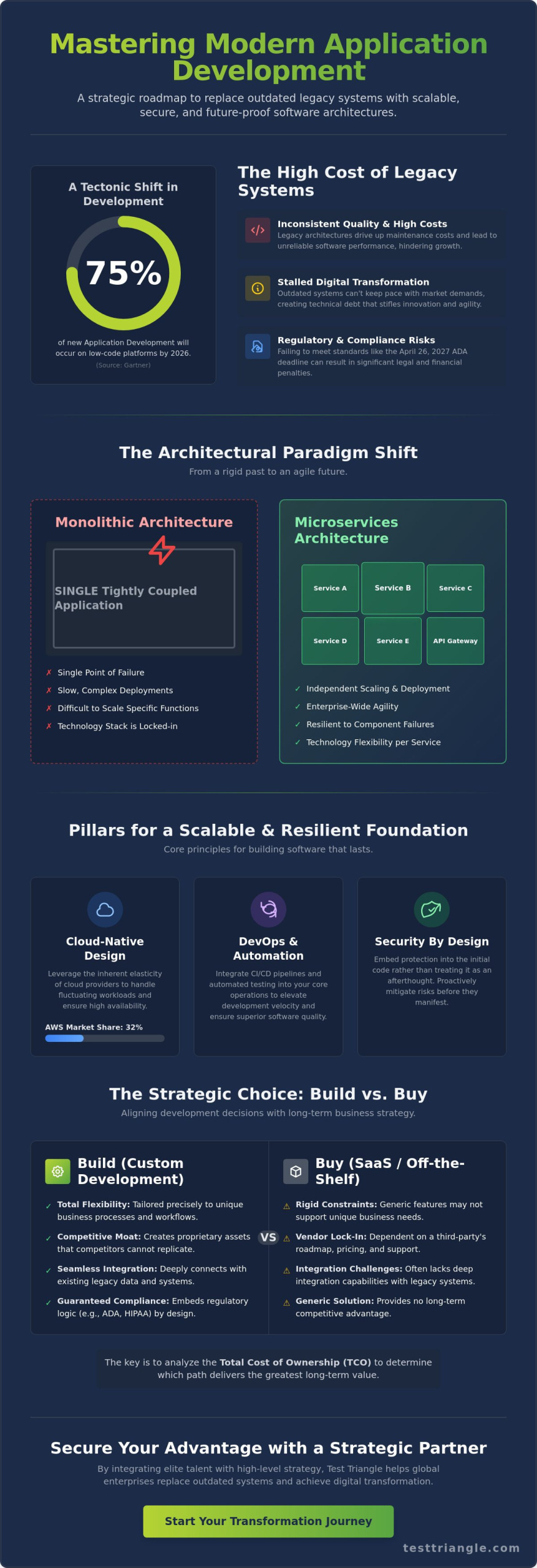

By the end of 2026, Gartner projects that 75% of new Application Development will occur on low-code platforms, yet many enterprises remain tethered to legacy architectures that stifle this very agility. You likely feel the constant pressure of finding specialized talent while managing inconsistent software quality that drives up maintenance costs. It’s a common frustration to see digital transformation stall because your current systems can’t keep pace with a market where AWS holds a 32% share and Vue.js has reached version 3.5.33. We understand that the relief of mitigating risks only comes when your technical debt is finally addressed through a steady, expert hand.

To bridge the gap between these choices, many enterprises are turning to flexible staffing models as a way to maintain control without the overhead of a massive permanent workforce. This approach allows you to own the intellectual property of a custom build while leveraging external expertise and Remote Tech Talent Placement to accelerate delivery. It’s a method that provides the relief of mitigating risks while empowering your internal teams to focus on high-level strategic architecture rather than just writing code.

By integrating elite talent with high-level strategy, Test Triangle helps global enterprises replace outdated legacy systems with scalable, secure software architectures. This guide provides a clear roadmap to master the complexities of modern development through a lens that balances cutting-edge technology with flexible engagement models. You’ll learn how to leverage the triad of Technology, Talent, and Transformation to ensure your digital infrastructure remains compliant with the April 26, 2027 ADA accessibility standards while driving long-term operational stability as a strategic partner in your success.

Key Takeaways

  • Transition from viewing software as a cost center to a strategic asset by adopting microservices-based architectures that drive enterprise-wide agility.
  • Implement Cloud-Native designs and seamless API integrations to build a resilient infrastructure capable of evolving alongside global technological standards.
  • Master the Build vs. Buy debate by analyzing the long-term Total Cost of Ownership for custom Application Development against standard SaaS licensing models.
  • Elevate development velocity and ensure superior software quality by integrating DevOps consulting and automated testing into the core of your operational heartbeat.
  • Secure a competitive advantage by utilizing flexible engagement models that provide access to elite talent through a trusted partner committed to your digital transformation.

Modern Application Development has transitioned from a back-office technical function to a primary driver of enterprise value. By 2026, global organizations have realized that viewing software as a mere cost center leads to stagnation and high maintenance costs. Instead, successful leaders treat their software ecosystem as a strategic asset that requires a “Strategic Architect” approach. This perspective ensures that every technical decision aligns with long-term business goals, effectively mitigating the technical debt that often accumulates when speed is prioritized over architectural integrity.

The technological landscape in 2026 is defined by a decisive shift from monolithic structures to microservices-based architectures. While monolithic systems provided simplicity in the past, they now act as anchors that slow down digital transformation. By leveraging microservices, enterprises gain the ability to scale specific components of their infrastructure independently, ensuring that a surge in user demand doesn’t compromise the entire system’s stability. Custom software provides a distinct competitive moat that generic SaaS products cannot replicate. While SaaS offers rapid deployment, it often lacks the flexibility required to support unique business processes or integrate deeply with existing legacy data.

The Evolution of the Software Development Life Cycle (SDLC)

The industry has moved beyond the rigid constraints of Waterfall and the sometimes chaotic speed of pure Agile toward a model of Continuous Development. Modern enterprises now utilize a hybrid approach that combines the structured planning of traditional methods with the rapid iteration of DevOps. This balance allows for the stability required in high-stakes environments while maintaining the velocity needed to respond to market shifts. The software development lifecycle serves as a structured framework for systematic risk mitigation and consistent value delivery throughout the functional lifespan of an enterprise asset.

Why Custom Application Development Matters in 2026

In highly regulated sectors like Finance and Pharma, “off-the-shelf” solutions frequently fail to meet stringent compliance and security requirements. Custom Application Development allows for the embedding of specific regulatory logic directly into the software, ensuring that data privacy and audit trails are flawless by design. As organizations prepare for the April 26, 2027 ADA accessibility deadline, custom builds offer the precision needed to meet WCAG 2.1 Level AA standards across all platforms. Integrating robust IT Service Management solutions ensures that these custom applications are supported by a reliable service desk and clear operational workflows, bridging the gap between technical execution and superior business outcomes.

Architectural Pillars: Building for Scalability and Resilience

Establishing a robust architectural foundation requires more than technical skill; it demands a visionary perspective on how software interacts with global infrastructure. By prioritizing cloud-native designs, enterprises leverage the inherent elasticity of providers like AWS, which currently holds 32% of the market, to handle fluctuating workloads without manual intervention. This shift ensures that Application Development projects result in software that is not just functional but inherently resilient against the system-wide failures common in older, monolithic setups. When evaluating the Build vs. Buy paradigm, the architectural flexibility of a custom cloud-native build often outweighs the rigid constraints of generic SaaS platforms, and a well-executed AWS Cloud Migration is frequently the critical first step in achieving that flexibility.

Security by Design has become a non-negotiable requirement in 2026. With new regulations like the Texas App Store Accountability Act now in effect, protection must be embedded into the initial code rather than treated as a final layer. This proactive stance mitigates risks before they manifest, providing the “flawless” security that global enterprises demand. Furthermore, robust database management acts as the engine for data-centric business decisions. By ensuring high availability and low latency in data retrieval, organizations can optimize their operations in real-time, turning raw information into a superior strategic advantage.

Microservices and Containerisation

Breaking down a monolith into microservices accelerates deployment cycles by allowing teams to update individual components without risking the entire ecosystem. Docker and Kubernetes have emerged as the industry standards for managing these complex environments, providing the orchestration needed for flawless performance at scale. Enterprises should consider this transition when legacy maintenance costs begin to exceed the investment required for modernization. This modular approach improves fault tolerance, as the failure of one service doesn’t lead to a total system blackout. It’s a disciplined way to ensure your digital infrastructure remains versatile and globally competitive.

API-First Strategy and Integration

A modern application must be built to “talk” to existing IT ecosystems, including ServiceNow, Atlassian, and hybrid cloud environments. An API-first strategy ensures that your software acts as a connective tissue rather than an isolated silo. A strategic Atlassian Implementation ensures that these APIs drive real-world workflow automation, allowing Jira and other tools to sync perfectly with your custom builds. This level of integration maintains data integrity across diverse platforms, ensuring that both IT managers and C-suite executives have access to a single, reliable version of truth. If you’re ready to align your architecture with your business goals, speak with our strategic architects today to explore a tailored roadmap.

Application Development: A Strategic Guide to Enterprise Scalability in 2026

The Build vs. Buy Debate: Aligning Development with Business Strategy

Deciding between purchasing a subscription and investing in custom Application Development is a pivotal moment in any digital transformation strategy. While SaaS offers an immediate solution, it often imposes a “feature rigidity” that limits your ability to innovate beyond the vendor’s roadmap. By contrast, custom development provides the strategic flexibility needed to build unique competitive advantages that competitors cannot simply buy off the shelf. However, the Total Cost of Ownership (TCO) extends far beyond the initial build. You must account for long-term maintenance, security updates, and the potential for vendor lock-in that often accompanies proprietary platforms. A disciplined approach evaluates these factors against the specific business outcomes required for long-term operational stability.

To bridge the gap between these choices, many enterprises are turning to flexible staffing models as a way to maintain control without the overhead of a massive permanent workforce. This approach allows you to own the intellectual property of a custom build while leveraging external expertise to accelerate delivery. It’s a method that provides the relief of mitigating risks while empowering your internal teams to focus on high-level strategic architecture rather than just writing code.

Flexible Talent Models: Contract, Remote, and Offshore

By utilizing specialized staffing solutions, organizations can scale their technical teams within 14 days rather than the standard 45-day recruitment cycle. This agility is essential when facing a sudden surge in project scope or a shift in technological requirements. Comparing the ROI of permanent placements against remote offshore resources reveals that a hybrid model often yields the highest efficiency; you get the stability of core internal leads combined with the cost-effectiveness of global talent that can reduce overhead by 40%. For highly regulated sectors, such as Life Sciences, Pharma IT Staffing ensures that developers possess the necessary compliance knowledge to navigate GxP and data integrity standards flawlessly.

Low-Code vs. Custom Code: A Hybrid Future

Low-code platforms are excellent for rapid prototyping and internal administrative tools where speed outweighs uniqueness. As noted previously, while low-code may account for 75% of new builds by late 2026, core business logic and customer-facing features should remain within a custom-developed, proprietary environment to prevent competitors from easily replicating your service model. By employing Managed Outsourcing Services, you can effectively maintain these hybrid codebases. This ensures that your low-code experiments integrate seamlessly with your robust, custom-built core, allowing for a steady hand in a fast-changing technological landscape.

Optimising the Development Lifecycle: DevOps, Testing, and AI

Integrating DevOps consulting into your operational framework acts as the high-velocity engine that drives modern Application Development. This strategic alignment ensures that software is no longer a static deliverable but a living asset that evolves alongside market demands. Quality assurance serves as the silent partner in this process, providing the essential guardrails that prevent technical debt from compromising your digital transformation. By leveraging automated testing, enterprises can reduce their time-to-market while maintaining the robust stability required for global operations. It’s a disciplined approach that moves beyond simple coding to focus on long-term operational excellence.

The successful integration of these methodologies provides the relief of mitigating risks before they reach the production environment. Instead of treating security and performance as final hurdles, a strategic architect embeds them into the core of the lifecycle. This proactive stance ensures that your digital infrastructure remains secure, scalable, and superior to generic, off-the-shelf alternatives.

The DevOps Engine: CI/CD and Automation

Continuous Integration and Continuous Deployment (CI/CD) protocols eliminate the manual bottlenecks that historically delayed software releases by weeks. Implementing a shift-left approach allows teams to identify security vulnerabilities and performance lags during the initial coding phase rather than at the finish line. This methodology ensures that every code commit is automatically validated, providing immediate feedback to developers and accelerating the overall delivery rhythm. DevOps transforms development from a temporary project into a continuous product mindset that prioritizes long-term scalability.

QA and Testing: Beyond the Basics

Even with the rise of sophisticated automation, Manual Testing in 2026 remains vital for ensuring a human-centric user experience that scripts might overlook. For global enterprises managing massive validation projects, QA Outsourcing provides the specialized talent needed to maintain flawless quality across diverse platforms. Performance and security testing are no longer optional extras; they’re the primary shields protecting your enterprise reputation in an era of increasing cyber threats. It’s about ensuring that every release meets the highest standards of precision and reliability.

Leveraging AI for Intelligent Development

Strategic use of Artificial Intelligence Services enables teams to refactor legacy code and generate UI variations at unprecedented speeds. However, AI-generated code carries inherent risks that demand human oversight and rigorous testing to avoid subtle logic flaws. By using AI-driven analytics for predictive maintenance, enterprises can identify potential application failures before they impact the end-user. This intelligent layer adds a new dimension to your digital infrastructure, allowing for a steady hand in a fast-changing technological landscape. To see how these tools can elevate your specific projects, schedule a strategic DevOps consultation with our team today.

Strategic Partnerships: Elevating Development through Technology and Talent

By synthesizing technical rigor with a deep understanding of business objectives, Test Triangle positions itself as more than a service provider; we operate as a Strategic Architect for your digital future. Our core philosophy—Technology. Talent. Transformation.—serves as the foundation for every Application Development project we undertake. This holistic approach ensures that your software isn’t just a functional tool but a scalable asset designed for long-term operational stability. As a Trusted Partner, we bridge the gap between complex technical execution and high-level business strategy, providing the relief of mitigating risks while empowering your organization to innovate at scale.

By leveraging partner-aligned expertise in Atlassian, ServiceNow, and AWS, we anchor our solutions in recognized global standards. Utilizing specialized Atlassian implementation strategies allows us to optimize Jira Service Management to act as the central nervous system for your development teams. This integration ensures that your workflows are rhythmic, methodical, and highly structured, mirroring the efficiency we bring to every client engagement. To begin your digital transformation journey, we recommend a strategic assessment that evaluates your current technical debt against your 2026 growth targets.

Partnering for Global Success

Operating as a proud client of Enterprise Ireland, Test Triangle provides a global footprint that supports enterprises across Europe, North America, and Asia. Our flexible engagement models allow for the rapid scaling of specialized teams, ensuring that your projects remain on track regardless of geographic complexity. In a recent transformation project for a Tier-1 banking institution, we reduced system downtime by 22% by modernizing their legacy middleware with a cloud-native architecture. This real-world impact demonstrates how strategic partnership elevates technical projects into drivers of enterprise efficiency. By combining technical expertise with adaptable managed outsourcing services, we help businesses reduce costs while elevating the quality of their software output.

The Road Ahead: Future-Proofing Your Applications

Future-proofing your applications requires looking beyond current trends toward the next wave of innovation, including quantum computing and advanced edge development. As these technologies mature, the importance of continuous learning and training for development teams cannot be overstated. By investing in the ongoing professional development of your talent, you ensure that your digital assets remain superior in performance and security. A steady hand in a fast-changing technological landscape is essential for maintaining a competitive moat. To begin your journey toward a robust, scalable future, contact Test Triangle for a Strategic Technology Roadmap today and secure your position as a digital leader.

Architecting a Resilient Digital Future

Success in modern Application Development requires a disciplined alignment of architectural precision and elite talent models. By transitioning from rigid monolithic systems to flexible cloud-native designs, enterprises secure the scalability needed to thrive in a global market. Integrating DevOps automation with human-centric manual testing ensures that your software remains robust while accelerating delivery cycles. This strategic approach effectively mitigates technical debt and positions your digital infrastructure as a long-term value driver.

As an Enterprise Ireland client and an authorized partner for Atlassian and ServiceNow, Test Triangle provides the steady hand required to lead your next phase of growth. By leveraging our signature triad of Technology. Talent. Transformation., we help you optimize every stage of the software lifecycle. It’s time to elevate your operations through a relationship with a Trusted Partner dedicated to your long-term stability and success. Partner with Test Triangle for Strategic Application Development and begin building a superior digital moat today. Your roadmap to flawless transformation starts with a single strategic assessment.

Frequently Asked Questions

What is the primary difference between custom application development and SaaS?

Custom Application Development provides enterprises with full ownership of their intellectual property and the strategic flexibility to build unique competitive moats that generic SaaS platforms cannot replicate. While SaaS offers a rapid initial setup, it often imposes feature rigidity and vendor lock-in that can stifle long-term innovation. By investing in a custom build, you ensure the software aligns perfectly with your specific business processes and integrates seamlessly with your existing digital infrastructure.

How much does enterprise application development typically cost in 2026?

Total investment for enterprise software is primarily influenced by the complexity of the architecture and the scale of the required talent pool. Organizations must also account for recurring infrastructure costs, such as AWS S3 storage at $0.023 per GB or Azure Blob Storage at $0.018 per GB, to maintain their operational heartbeat. A strategic architect optimizes these expenditures by implementing FinOps practices that ensure technical execution remains cost-effective and superior in performance.

How long does it take to build a custom enterprise-level application?

Developing a production-ready Minimum Viable Product (MVP) for a complex enterprise environment typically requires a timeline of 120 to 240 days. This duration allows for the methodical execution of the discovery phase, architectural design, and the rigorous security testing necessary for global compliance. By utilizing flexible engagement models, enterprises can scale their teams to meet tight deadlines without sacrificing the precision or stability of the final deliverable.

What are the most popular programming languages for application development today?

React continues to lead the market with a 44.7% usage rate among developers, followed by Angular at 18.2% and Vue.js at 17.6%, which reached version 3.5.33 in April 2026. For high-performance, cloud-native systems, languages like Go and Rust are increasingly leveraged to drive efficiency within microservices architectures. Selecting the right stack is a strategic decision that impacts your ability to recruit elite talent and maintain the software over its functional lifespan.

Can I outsource application development without losing control of my project?

Maintaining project control during outsourcing is achieved by establishing a transparent governance framework supported by industry-leading tools like Jira Service Management. By partnering with a Trusted Partner who emphasizes clear communication and methodical reporting, you retain full oversight of the strategic roadmap while leveraging external technical expertise. This approach provides the relief of mitigating risks while ensuring that your internal standards for quality and security are met flawlessly.

How does DevOps improve the application development process?

DevOps accelerates the development rhythm by eliminating manual bottlenecks through the implementation of Continuous Integration and Continuous Deployment (CI/CD) pipelines. By adopting a shift-left strategy, teams identify performance lags and security vulnerabilities early in the lifecycle, which significantly reduces the cost of late-stage remediation. This transformation ensures that the software remains robust and resilient, providing a steady hand in a fast-changing technological landscape.

What role does AI play in modern application development workflows?

AI serves as an intelligent layer that optimizes workflows by automating routine tasks such as code refactoring and the generation of UI variations. While low-code platforms are projected to account for 75% of new development by late 2026, human oversight remains essential to validate the logic and security of AI-generated components. Predictive analytics also leverage AI to identify potential system failures before they impact the end-user, ensuring long-term operational stability.

How do I choose the right application development partner for my business?

Selecting the ideal partner requires evaluating their institutional maturity and their ability to operate across diverse sectors like Banking and Life Sciences. You should prioritize an Enterprise Ireland client with authorized expertise in global standards such as Atlassian and ServiceNow. A superior partner acts as a Strategic Architect, embodying the triad of Technology, Talent, and Transformation to ensure your digital infrastructure is secure, scalable, and built for future growth.

Paul Guy

Article by

Paul Guy

Paul serves as the Marketing Director at Test Triangle, where he leads a global team in driving growth through strategic B2B marketing and brand communications. With a strong emphasis on measurable outcomes and sustainable performance, he plays a pivotal role in aligning marketing functions to enhance customer engagement and accelerate business impact. Under his leadership, marketing initiatives have consistently delivered significant returns on investment, elevated brand visibility, and strengthened the company's presence across key markets.


With software failures costing the global economy an estimated $2.41 trillion according to a report by CISQ, the financial risk of technical debt is a reality you likely face every day. You’ve probably felt the frustration of seeing your CI/CD pipeline stall because testing couldn’t scale alongside your complex enterprise architecture. By evolving your software qa services from a final gatekeeper into a strategic architect of resilience, you’ll protect your bottom line while maintaining a relentless pace of innovation.

We understand that balancing speed with stability feels like an impossible trade-off in today’s regulated sectors. This article reveals how modern quality engineering drives business value by integrating seamlessly with your DevOps workflows and Atlassian tools like Jira. As your Trusted Partner, we’ll show you how to leverage Technology. Talent. Transformation. to achieve a faster time-to-market without sacrificing the flawless performance your global enterprise expects.

Key Takeaways

  • By transitioning from tactical testing to strategic quality engineering, organizations can effectively mitigate the rising costs of software failure and drive long-term digital resilience.
  • Discover how modern software qa services utilize Shift-Left and Shift-Right strategies to identify logic flaws during design while maintaining real-world monitoring in production environments.
  • Learn to build resilient, self-healing automation frameworks that accelerate CI/CD pipelines and ensure flawless performance across functional and non-functional requirements.
  • Explore the benefits of integrating QA workflows directly into the Atlassian and ServiceNow ecosystems to achieve maximum transparency and seamless defect tracking.
  • Evaluate flexible engagement models, including managed services and staff augmentation, to align specialized talent with your specific enterprise scaling needs.

Defining Modern Software QA Services: Beyond the Bug Hunt

In the high-stakes environment of global enterprise software, Software Quality Assurance (SQA) has evolved into a systematic, end-to-end discipline that ensures digital products align with rigorous requirements throughout the development lifecycle. Modern software qa services represent a departure from traditional “bug hunting” by prioritizing the prevention of defects rather than their mere detection. By shifting from a tactical testing mindset to a strategic Quality Engineering approach, organizations can address the $2.41 trillion in global losses caused by poor software quality, as reported by the Consortium for Information & Quality (CISQ) in 2022. Effectively, comprehensive QA services act as a strategic insurance policy that mitigates business risk by ensuring every deployment enhances operational stability and brand integrity.

The Core Components of a QA Strategy

By aligning testing objectives with overarching business KPIs, Quality Planning ensures that every technical check serves a commercial purpose. This strategic alignment allows teams to prioritize high-value features and critical security protocols. Process Improvement follows this by refining development workflows to eliminate bottlenecks; it focuses on preventing defects before they ever enter the codebase. Finally, Continuous Feedback loops leverage data-driven insights to optimize performance in real-time. This methodical approach transforms QA from a siloed activity into a cross-functional driver of excellence, often integrated through Atlassian implementation to ensure full transparency across the SDLC.

Why QA is the Backbone of Digital Transformation

As enterprises look to scale rapidly, robust and reliable codebases become the primary engine of growth. Digital transformation fails when underlying systems are fragile; it’s why high-quality engineering is essential for sustaining momentum. By facilitating seamless user experiences across diverse platforms, modern software qa services ensure that brand promises are kept regardless of the device or environment. Early identification of architectural flaws reduces long-term maintenance costs by as much as 30% compared to fixing issues post-release. Through our managed outsourcing services, we act as your Trusted Partner to provide the steady hand needed to navigate these complexities. We believe that true resilience is built at the intersection of Technology. Talent. Transformation.

The Strategic Framework: Shift-Left and Shift-Right Testing

By implementing a dual-track testing strategy, organizations can effectively break the traditional silos that often turn quality assurance into a project bottleneck. Instead of treating testing as a final checkpoint, modern software qa services embed quality into every phase of the software development lifecycle. This comprehensive approach, often described as Shift-left and shift-right testing, ensures that technical debt doesn’t accumulate during high-velocity development cycles. By balancing early-stage validation with real-world production monitoring, enterprises achieve a state of digital resilience that supports both rapid innovation and operational stability.

Implementing Shift-Left in Agile Environments

Integrating QA engineers directly into sprint planning sessions allows for the identification of logic flaws before a single line of code is written. This proactive involvement transforms the role of quality from reactive “bug hunting” to proactive quality engineering. While automation handles repetitive regression tasks, strategic Manual Testing remains essential for validating user-centric requirements and early-stage design concepts. By adopting Test Driven Development (TDD) as a foundational practice, teams can reduce the cost of rework by as much as 50% in high-performing DevOps environments. This “Shift-Left” mindset prioritizes:

  • Requirement validation to eliminate ambiguity in the design phase.
  • Unit testing and static code analysis to catch syntax errors instantly.
  • Continuous integration loops that provide immediate feedback to developers.

The Rise of Shift-Right and Observability

Extending quality protocols into production environments through observability and real-world monitoring provides a critical safety net for unpredictable user behaviors. This “Shift-Right” strategy identifies edge case failures that are virtually impossible to replicate in isolated staging environments. By leveraging A/B testing and canary releases, teams can deploy new features to a limited subset of users, mitigating risk while collecting live performance data. This production data then flows back into the development cycle, informing future testing scenarios and ensuring that software qa services evolve alongside actual user demands. Turning live metrics into actionable insights allows your organization to maintain a flawless user experience even as complexity grows. If you’re ready to refine your testing architecture for 2026, consult with our strategic architects to design a roadmap tailored to your enterprise needs.

Software QA Services in 2026: A Strategic Guide to Quality Engineering

Specialized QA Services for Complex Enterprise Needs

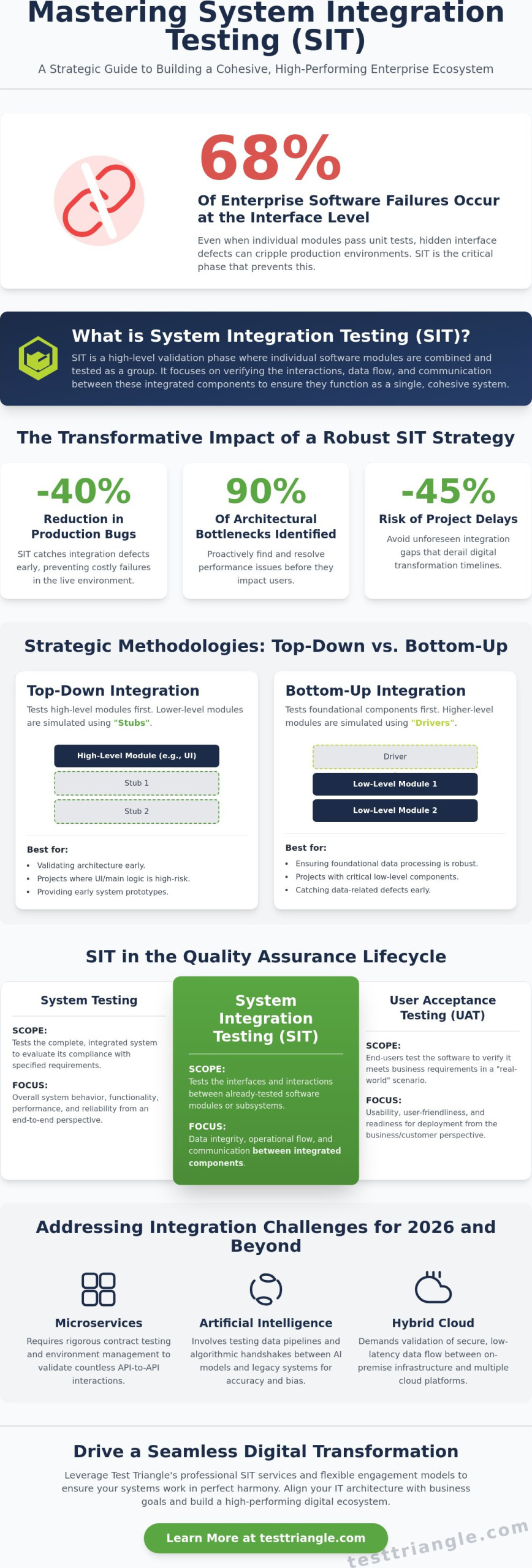
By leveraging specialized software qa services, global enterprises can move beyond basic validation to achieve true technical excellence. According to the IEEE Computer Society, software quality encompasses both the degree to which a system meets its specified requirements and the robustness of the processes used to develop it. Achieving this balance requires a sophisticated mix of functional and non-functional testing. While functional checks ensure the application does what it’s supposed to, non-functional testing validates how it performs under pressure, its level of security, and its overall reliability. In complex, multi-platform architectures, the role of SIT (System Integration Testing) becomes paramount for ensuring that data flows correctly between disparate microservices and legacy systems.

Modern quality engineering also demands the implementation of resilient, self-healing automation frameworks. These frameworks are essential for high-velocity CI/CD pipelines where manual intervention would cause unacceptable delays. To protect your digital assets, security testing must be woven into these automated loops, specifically addressing OWASP Top 10 compliance to mitigate risks like broken access control and cryptographic failures. By combining these technical disciplines, we help you build a robust foundation for scalable growth.

Performance and Scalability Testing

Maintaining stability during peak traffic loads is a non-negotiable requirement for global enterprises. We utilize stress testing to identify the exact breaking points of your application, ensuring it can handle sudden surges in user activity without latency spikes. By identifying bottlenecks in cloud-native infrastructures and microservices, our software qa services optimize response times for international users. This methodical approach ensures that your platform remains accessible and performant, regardless of geographic location or concurrent user volume.

Compliance and Validated Testing for Pharma and Finance

Highly regulated sectors like Life Sciences and Banking face unique hurdles that generic testing providers often overlook. Navigating GxP, HIPAA, and GDPR requirements demands rigorous documentation and a deep understanding of data integrity standards. To meet these challenges, we provide specialized Pharma IT staffing to ensure that your QA team possesses the domain expertise required for validated environments. We automate compliance checks to ensure your systems remain audit-ready at all times, reducing the risk of regulatory penalties while accelerating your time-to-market. This commitment to precision makes us a Trusted Partner in your digital transformation journey.

Choosing the Right Engagement Model for Software QA

Selecting the optimal delivery model is a critical decision that determines the scalability and cost-efficiency of your quality engineering initiatives. Many organizations mistakenly prioritize low hourly rates, yet industry benchmarks from 2024 indicate that “cheap” testing often leads to a 40% increase in post-release defect remediation costs. By evaluating Software Testing Outsourcing through the lens of long-term business value, you ensure that your software qa services act as a catalyst for growth rather than a recurring expense. Whether you require a full-scale managed team or targeted expertise to bridge a technical gap, the right model must align with your internal culture and technological roadmap.

Managed QA Services provide a comprehensive solution where we assume end-to-end accountability for the quality function. This model is ideal for enterprises undergoing significant digital transformation, as it allows internal leadership to focus on core product strategy while we manage the execution of complex test suites. Alternatively, Staff Augmentation serves as a surgical intervention; it brings in specialized talent to address specific hurdles, such as securing a microservices architecture or accelerating a migration to AWS. For most global organizations, a Hybrid Model offers the best of both worlds. It combines your team’s deep domain knowledge with our external technical rigor to create a robust, failsafe environment. This approach ensures your software qa services remain agile and responsive to changing market demands.

When to Outsource vs. In-house

Analyzing the total cost of ownership (TCO) reveals that maintaining an internal QA department involves significant overhead, including recruitment, training, and infrastructure costs. By leveraging Managed Outsourcing Services, you gain the ability to scale your testing capacity up or down within 48 hours to meet fluctuating sprint demands. We maintain control and visibility through transparent reporting and real-time KPIs integrated directly into your existing Jira dashboards. This ensures that while the execution is external, the strategic oversight remains firmly in your hands.

The Strategic Architect Approach

Moving beyond the traditional “vendor” relationship, we position ourselves as your Trusted Partner. A Strategic Architect doesn’t just execute test scripts; they understand your industry’s unique pressures and regulatory requirements. When evaluating a qa software testing company for your enterprise, it’s essential to apply a rigorous checklist that assesses cultural alignment, technical depth, and regulatory expertise. By utilizing global delivery models, we offer 24/7 coverage that follows the sun, ensuring that your code is tested while your local teams rest. This “Technology. Talent. Transformation.” triad ensures that every engagement is characterized by cultural alignment and technical precision. Ready to optimize your quality strategy? Speak with our engagement specialists today to identify the model that fits your business objectives.

Optimizing QA with Atlassian and ServiceNow Ecosystems

By integrating software qa services directly into the industry-standard Atlassian and ServiceNow ecosystems, organizations achieve a level of transparency that siloed testing tools simply cannot provide. Utilizing Atlassian Consulting allows teams to automate defect tracking and reporting within Jira and Confluence, ensuring that every stakeholder has real-time visibility into project health. This integration eliminates the friction between development and operations, facilitating a seamless transition from quality engineering to production support. This synchronization ensures that ServiceNow implementation workflows are fully aligned with the QA lifecycle, allowing for instant incident escalation and faster time-to-resolution when issues arise in live environments.

Jira Service Management for QA Feedback

Bridging the gap between development teams and end-users is essential for maintaining high software quality in live environments. By leveraging Jira Service Management, we automate the flow of bug reports from production directly back into the testing backlog. This closed-loop system reduces resolution times by 25% or more in complex enterprise settings by providing developers with immediate, context-rich data. Integrated communication channels ensure that feedback is never lost, allowing for a more responsive and user-centric development cycle. This methodical approach ensures that your software qa services are informed by actual user behavior, driving continuous improvement and digital resilience.

The Test Triangle Advantage

Our holistic approach combines deep IT Service Management (ITSM) knowledge with specialized quality engineering expertise to deliver superior business outcomes. We provide customized solutions tailored to the unique regulatory and operational demands of the Pharma, Finance, and Retail sectors. In the pharmaceutical industry, our teams ensure that all software systems meet GxP compliance standards, while in finance, we prioritize the integrity of transactional data and high-availability systems. By leveraging our IT service management solutions, global enterprises can ensure that their digital transformation initiatives are supported by a robust, scalable infrastructure. Test Triangle stands as the strategic choice for global enterprises seeking a partner that delivers precision, stability, and visionary technical leadership.

Elevate your software quality with our strategic QA services and discover how our triad of Technology. Talent. Transformation. can drive your long-term success and operational stability.

Architecting a Resilient Digital Future

By evolving your testing frameworks into a strategic Quality Engineering discipline, you secure your digital infrastructure against the $2.41 trillion risk of software failure identified by CISQ in 2022. We’ve explored how balancing Shift-Left validation with Shift-Right observability ensures that your applications remain robust under real-world pressure. Integrating these software qa services directly into your Jira and ServiceNow ecosystems provides the transparency required for rapid global scaling without compromising on stability.

As an Atlassian Gold Solution Partner and a client of Enterprise Ireland, we bring institutional maturity to every project. Our specialized expertise in the Pharma and Banking sectors allows us to navigate complex GxP and financial regulations with absolute precision. Through our triad of Technology. Talent. Transformation. we act as your Trusted Partner in achieving flawless operational stability. Partner with a Strategic Architect for your Software QA Services to optimize your release cycles today. Your journey toward a resilient and scalable digital landscape is well within reach.

Frequently Asked Questions

What are the main types of software QA services available in 2026?

Modern QA encompasses functional, non-functional, and specialized engineering like System Integration Testing (SIT). In 2026, the focus has shifted toward AI-driven automation and observability-driven shift-right testing. These services ensure that complex microservices architectures remain robust under peak loads while maintaining a flawless user experience across all digital platforms and global environments.

How much do software QA services typically cost for an enterprise project?

Pricing for enterprise-grade software qa services is determined by the specific engagement model and technical scope of the project. While we don’t provide fixed prices without a consultation, industry data from 2024 indicates that organizations investing in quality engineering early save 40% in long-term remediation costs. We advocate for a value-driven approach that prioritizes total cost of ownership (TCO).

Can I outsource software QA without losing control over my development process?

You retain absolute strategic control by integrating external QA experts into your existing DevOps and Atlassian workflows. By utilizing transparent reporting through Jira dashboards, you maintain real-time visibility into every testing phase. This collaborative model ensures that while we handle technical execution, your internal leadership directs the product roadmap and business priorities without friction.

What is the difference between manual testing and automated QA services?

Manual testing addresses exploratory validation and human-centric design, while automated QA handles repetitive regression and performance tasks. Automation is essential for maintaining speed in high-velocity CI/CD pipelines. However, manual testing remains critical for identifying logic flaws and validating user experience in early-stage development cycles where scripts simply can’t replicate human intuition and nuanced feedback.

How does QA integration with Atlassian Jira improve development speed?

Integrating QA with Jira improves speed by centralizing defect management and creating immediate feedback loops between testers and developers. This synchronization reduces the feedback cycle by 25% on average in enterprise environments. By automating reporting through Atlassian ecosystems, your team eliminates manual bottlenecks and accelerates the journey from code commit to production deployment with full transparency.

What happens if we skip professional QA services during a digital transformation?

Neglecting professional validation during digital transformation exposes your business to the $2.41 trillion risk of software failure reported by CISQ. Technical debt builds up rapidly without a strategic quality framework, eventually turning the QA phase into a project bottleneck. This often leads to post-production defects that are 30 times more expensive to fix than those found during the design phase.

How do QA services ensure compliance in the pharmaceutical industry?

QA services ensure pharmaceutical compliance by implementing GxP-validated protocols and adhering to HIPAA and GDPR data standards. We provide specialized talent who maintain rigorous documentation to ensure your systems are always audit-ready. This methodical approach protects data integrity and minimizes the risk of regulatory penalties in highly sensitive, regulated sectors like life sciences and banking.

What are the key KPIs for measuring the success of a QA services provider?

The effectiveness of a provider is measured through KPIs like defect leakage rates, mean time to detect (MTTD), and test coverage percentages. We also track improvements in release velocity and the reduction of post-release incidents. These metrics prove how software qa services contribute to business resilience, long-term operational stability, and the overall success of your digital transformation strategy.

Paul Guy

Article by

Paul Guy

Paul serves as the Marketing Director at Test Triangle, where he leads a global team in driving growth through strategic B2B marketing and brand communications. With a strong emphasis on measurable outcomes and sustainable performance, he plays a pivotal role in aligning marketing functions to enhance customer engagement and accelerate business impact. Under his leadership, marketing initiatives have consistently delivered significant returns on investment, elevated brand visibility, and strengthened the company's presence across key markets.
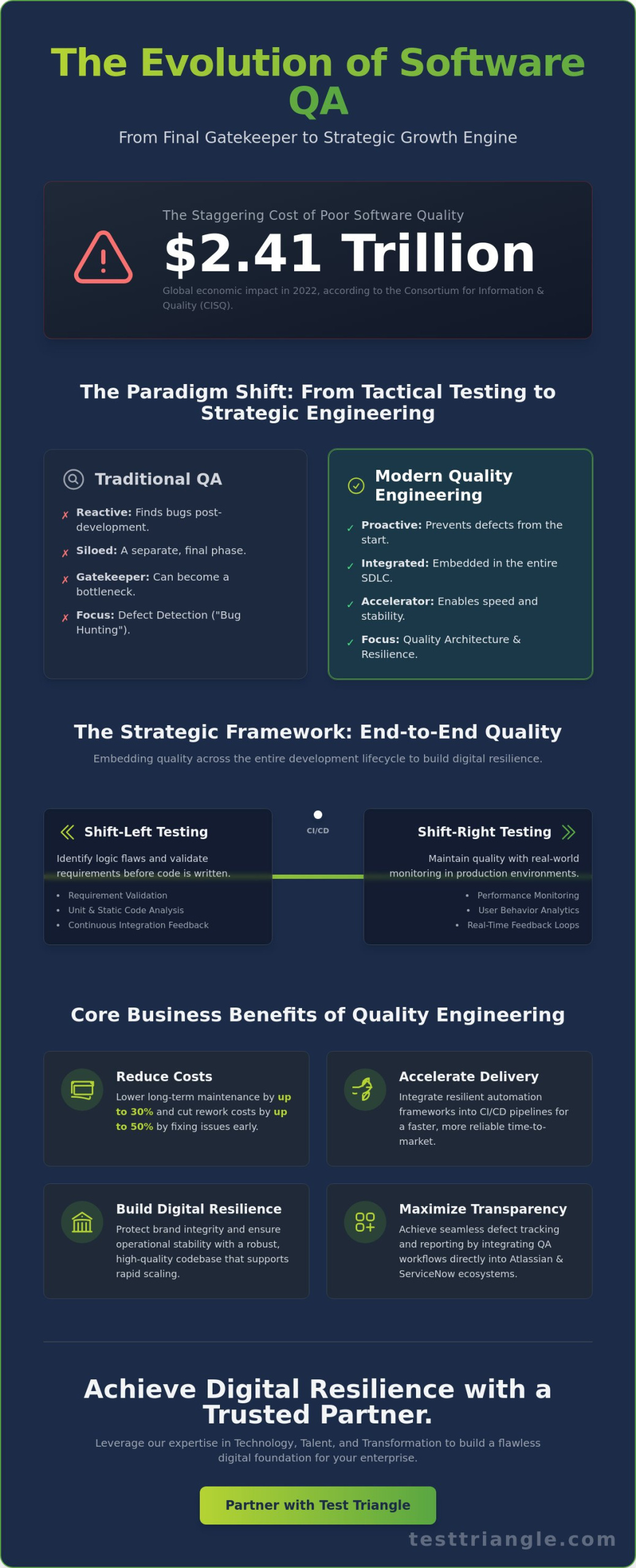

In 2026, viewing Recruitment and Talent Acquisition Placement Fees as a mere line-item expense is a strategic oversight that ignores the escalating $28,000 cost of specialized hiring failures. You’ve likely felt the pressure of the 14% increase in cost-per-hire since 2019, particularly when traditional agencies offer opaque pricing for critical DevOps or Pharma roles. It’s a common frustration to manage rising costs while the risk of a “bad hire” remains high in a market where 87% of companies now leverage AI-powered tools for candidate screening.

By aligning your financial models with current industry benchmarks, you can transform these fees into a strategic insurance policy that protects your digital transformation. This guide provides the clarity you need to master complex fee structures, ranging from the 15% contingency models to the 35% retained search benchmarks. We’ll explore how to leverage data-driven metrics and flexible engagement models to reduce your time-to-fill and secure the specialized talent your enterprise requires. Through a clear analysis of ROI and market trends, we’ll outline a path toward a transparent partnership that prioritizes long-term operational stability. Technology. Talent. Transformation.

Key Takeaways

  • Differentiate between contingency and retained search models to optimize your strategy for both high-volume IT staffing and niche executive requirements.
  • Establish competitive benchmarks for Recruitment and Talent Acquisition Placement Fees within specialized sectors like Pharma IT and Cloud Security to ensure budget alignment.
  • Evaluate the true ROI of professional placements by balancing upfront commission costs against the high price of prolonged vacancies and technical talent mismatches.
  • Leverage flexible engagement models and strategic technical partnerships to accelerate your recruitment lifecycle while maintaining the highest standards of candidate quality.

Understanding Recruitment and Talent Acquisition Placement Fees in 2026

By defining Recruitment and Talent Acquisition Placement Fees as the professional commission paid for the successful identification, vetting, and placement of specialized talent, global enterprises can shift their perspective from viewing recruitment as a cost center to seeing it as a strategic asset. In the high-stakes environment of 2026, the traditional “headhunting” model has evolved into a sophisticated talent acquisition strategy. This transition is driven by a 14% increase in the average cost-per-hire since 2019, which now stands at $4,700 for general roles and often exceeds $28,000 for specialized technical positions. As 87% of organizations now utilize AI-powered software to manage their pipelines, the value of a placement fee is no longer just about the introduction; it’s about the precision of the match in an increasingly automated landscape.

The core components of a modern placement fee encompass much more than a simple search. They include advanced sourcing across global talent pools, rigorous technical screening that mirrors real-world project demands, and robust guarantee periods that protect the employer’s investment. By integrating these elements, a professional recruitment partner mitigates the risk of a “bad hire,” which is a critical necessity given that 31% of organizations now rank talent acquisition as a top-three HR priority for 2026.

The Evolution of Recruitment Fees

Digital transformation has fundamentally reshaped the marketplace, moving the industry away from a basic recruitment agency finder’s fee toward what is now recognized as a “vetting premium.” In specialized ecosystems such as Atlassian or ServiceNow, the requirement for recruiter expertise has reached an all-time high. A partner must understand the nuances of Jira Service Management or complex ServiceNow workflows to effectively screen candidates for enterprise-level roles. This specialized knowledge ensures that the candidates presented aren’t just technically capable but are also culturally and operationally aligned with the client’s long-term digital strategy. Recruitment and Talent Acquisition Placement Fees represent a strategic investment in organizational stability and long-term operational resilience.

Direct vs. Indirect Costs of Talent Acquisition

Comparing internal HR hours to a one-time agency placement fee often reveals the hidden financial burden of do-it-yourself hiring. Internal teams frequently spend over 50 hours on a single specialized hire, accounting for sourcing, multiple interview rounds, and administrative overhead. By leveraging Managed Outsourcing Services, enterprises can redirect their internal resources toward core business objectives while a trusted partner handles the heavy lifting of technical vetting. This approach embodies the philosophy of “Technology. Talent. Transformation.” by reducing indirect hiring friction and accelerating the path to productivity. When organizations optimize their fee structures, they don’t just fill seats; they drive scalable growth through precise talent alignment.

Common Fee Structures: Contingency, Retained, and Flat Rates

By aligning the selection of a fee model with the specific complexity of a role, enterprises can effectively manage their Recruitment and Talent Acquisition Placement Fees while ensuring superior candidate quality. The 2026 market offers three primary frameworks, each designed to balance risk and commitment differently. Contingency search remains the most prevalent success-based model, where fees typically range from 15% to 25% of a candidate’s first-year base salary. This “no-win, no-fee” approach is highly effective for high-volume IT roles where speed and access to a broad talent pool are paramount. However, for high-stakes executive positions or specialized Pharma IT roles, a retained search model is often necessary. This requires an upfront commitment and generally commands between 25% and 35% of the candidate’s total first-year compensation, reflecting the intensive vetting required for these critical placements.

Budget predictability is becoming a top priority for C-suite executives, leading to a rise in flat-fee recruitment models. These fixed prices, which range from $5,000 to $20,000 per hire depending on role complexity, offer a stable alternative to percentage-based billing. While percentage-based models scale with salary, flat fees provide a clear cost structure for high-volume hiring or roles with high base salaries but moderate search difficulty. Selecting the right model requires a strategic understanding of contingency and retained fees to ensure the investment matches the role’s organizational impact.

Contingency vs. Retained Search Models

Deciding between contingency and retained models often hinges on the level of exclusivity and the required search precision. By granting exclusivity to a trusted partner through a retained agreement, businesses gain access to a dedicated team that prioritizes their search above all others, resulting in success rates often exceeding 90%. Conversely, non-exclusive contingency searches are useful for filling multiple standard technical roles simultaneously. The following table outlines the typical benchmarks as of March 2026:

  • Contingency Model: 15-25% fee range; best for mid-level IT and high-volume needs; success-based payment.
  • Retained Model: 25-35% fee range; best for Executive and niche Pharma roles; paid in installments.
  • Flat Fee Model: $5,000-$20,000 per hire; best for budget predictability in standardized roles; fixed-cost payment.

Contract and Remote Placement Fees

By leveraging margin-based billing for temporary and offshore staff, organizations can achieve significant cost-efficiency without sacrificing technical rigor. Unlike permanent placement fees, contract staffing utilizes a “markup” model where the agency adds a percentage to the hourly or monthly rate of the resource. This is particularly advantageous for remote offshore resources, which are becoming a standard part of the global talent pool as 70% of the workforce is projected to work remotely at least part-time by the end of 2026. These IT Staffing Services allow companies to scale their teams rapidly while maintaining high-quality output through a flexible engagement model. If you’re looking to optimize your technical headcount through a strategic partnership, reach out to our team today to discuss a tailored solution. Technology. Talent. Transformation.

Recruitment and Talent Acquisition Placement Fees: The 2026 Executive Guide

Industry-Specific Benchmarks: IT and Pharma Placement Fees

By leveraging industry benchmarks, enterprises can better understand why Recruitment and Talent Acquisition Placement Fees for specialized sectors like Pharma and IT often reach 20% to 30% of a candidate’s annual salary as of April 30, 2026. This premium reflects the intensive technical due diligence required to identify professionals who don’t just possess coding skills but understand the operational nuances of high-stakes environments. While general recruitment costs might hover around $4,700, the specialized nature of Cloud Migration or Cybersecurity roles elevates the search complexity. For a deeper look at these variables, consult this comprehensive guide to recruitment fees which details the factors influencing costs across different professional models.

Global market dynamics also play a significant role in fee variance. In the United States, niche executive roles in specialized tech hubs frequently command the upper 30% bracket; meanwhile, the Irish and UK markets maintain competitive benchmarks between 20% and 25% for senior technical talent. A candidate’s proficiency in specific ecosystems, such as Atlassian or ServiceNow, serves as a significant fee driver. These certifications validate a candidate’s ability to drive enterprise-level transformation, making them highly sought after in a market where 81% of employers now prioritize skills-based hiring over formal education. As a Trusted Partner, we recognize that these certifications aren’t just badges; they’re indicators of a candidate’s immediate ability to leverage Jira Service Management or ServiceNow workflows to optimize business operations.

The Premium for Validated Software Testing Talent

Pharma IT staffing requires a level of technical vetting that far exceeds standard recruitment. Candidates must demonstrate expertise in GxP and regulatory compliance, ensuring that every digital implementation meets the rigid standards of Life Sciences. This scarcity of “validated” talent directly impacts Recruitment and Talent Acquisition Placement Fees, as the search involves a much smaller pool of qualified professionals. By engaging specialized IT Staffing Agencies for Pharmaceutical Industry, businesses can mitigate the risks associated with regulatory non-compliance. The investment in a 25% to 30% fee is often a fraction of the cost of a failed regulatory audit or a compromised software validation process. For organizations navigating GAMP 5 alignment and CSV requirements, a dedicated Pharma IT Staffing strategy for Life Sciences talent is essential to securing professionals who bridge the gap between technical agility and regulatory compliance.

DevOps and Cloud Migration Talent Costs

Benchmarking fees for AWS and Azure certified professionals reveals a consistent trend toward high-value, high-cost placements. In the DevOps space, the cost of a “bad hire” is particularly high, often exceeding $15,000 in immediate lost productivity and potential infrastructure downtime. This makes a 20% to 25% placement fee look like a strategic bargain when it secures a candidate capable of managing complex cloud migrations flawlessly. Our approach of “Strategy. Technology. Talent.” ensures that every placement is vetted against the specific technical requirements of your digital infrastructure. We don’t just find candidates; we secure the architects of your digital future, ensuring that your investment in talent drives measurable business outcomes and scalable growth. Technology. Talent. Transformation.

Beyond the Invoice: Evaluating ROI and Mitigating Hiring Risks

By evaluating the return on investment through the lens of long-term operational stability, executives can see that Recruitment and Talent Acquisition Placement Fees are a strategic safeguard against the escalating costs of technical turnover. While a 20% fee might appear high on an initial invoice, it’s a bargain when compared to the $15,000+ cost associated with a technical hiring failure in a standard role. This figure can skyrocket to over $28,000 for specialized architects or senior DevOps engineers. In high-stakes sectors like Banking or Pharma, where a single bad hire can derail a multi-million dollar digital transformation, the rigorous vetting provided by a professional partner is essential. By ensuring that candidates possess verified proficiency in tools like Jira Service Management, a strategic partner reduces the risk of project delays and infrastructure instability.

The Hidden Cost of Slow Hiring

Quantifying the daily revenue loss when critical technical roles remain vacant is vital for calculating true ROI. For global enterprises, a vacant position in an Atlassian or ServiceNow project can lead to bottlenecks that stall entire development cycles and delay critical product launches. By leveraging professional Atlassian Implementation Services, businesses can accelerate their time-to-fill by as much as 26-75%, ensuring that projects remain on track and operational efficiency is maintained. This approach mitigates the indirect costs of lost productivity, which often exceed the direct placement fee within just a few weeks of a vacancy. Strategic staffing isn’t just about filling seats; it’s about maintaining the momentum of your digital transformation and ensuring that your technical roadmap remains secure.

Risk Mitigation and Guarantee Clauses

Protecting your investment requires robust guarantee periods that hold the recruitment partner accountable for the quality of the placement. In 2026, standard industry terms for permanent roles typically include 60, 90, or 120-day replacement clauses, providing a necessary safety net for the organization’s capital. These clauses ensure that if a candidate doesn’t meet the expected performance benchmarks or cultural fit requirements, the agency provides a replacement at no additional cost. We leverage our deep technical expertise to ensure “right-first-time” placements, significantly reducing the likelihood of ever needing to trigger these clauses. A technical vetting process is the most effective insurance policy for your hiring budget. By partnering with a Trusted Partner who understands the intricacies of your digital infrastructure, you can confidently build a high-performing team. To secure the specialized talent your next project requires, consult with our strategic staffing experts. Technology. Talent. Transformation.

The Test Triangle Advantage: Strategic Talent Acquisition Models

By moving beyond the transactional mindset of traditional headhunting, Test Triangle transforms Recruitment and Talent Acquisition Placement Fees into a strategic investment in digital excellence. We don’t operate as a mere service provider; instead, we function as a Strategic Architect for your workforce, ensuring that every placement aligns with your long-term operational stability. Our institutional maturity, reinforced by our status as a client of Enterprise Ireland, allows us to navigate the complex talent requirements of the Banking, Pharma, and Life Sciences sectors with precision. In an era where 87% of companies utilize AI-powered screening, our human-centric, technical vetting process provides the “strategic insurance” needed to protect your hiring budget from the high costs of technical failure.

Our commitment to your success extends past the initial invoice. As a Trusted Partner, we prioritize “Technology. Talent. Transformation.” to ensure that your digital infrastructure is supported by the highest caliber of professionals. This approach allows us to offer flexible engagement models that adapt to your specific project milestones, whether you require permanent onsite leadership or remote offshore resources to scale your development capacity. By aligning our fee structures with your business outcomes, we ensure that your 2026 talent acquisition strategy is both cost-effective and high-performing. For a detailed comparison of staffing, managed services, and offshore delivery models, explore our analysis of IT Staffing Services in 2026: A Strategic Comparison of Talent Delivery Models to identify the optimal fit for your technical requirements.

Integrating Talent with Technology

By leveraging our deep consulting background in DevOps and software testing, we provide a level of candidate vetting that traditional agencies cannot match. Our expertise as an Atlassian and ServiceNow partner means we understand the technical nuances of IT Service Management Solutions, allowing us to identify “ready-to-deploy” resources for complex Jira and AWS environments. This technical due diligence ensures that candidates possess the specific skills required to drive your digital transformation from day one. When you invest in Recruitment and Talent Acquisition Placement Fees through Test Triangle, you aren’t just buying a resume; you’re securing a validated expert who has been screened by practitioners who understand the technology.

Global Reach, National Expertise

Our presence across Ireland, the UK, and India allows us to offer a unique blend of local market knowledge and global cost-efficiency. This “Global Reach, National Expertise” model enables us to provide IT Staffing Services that are both scalable and precise. Whether you need to navigate the evolving regulatory landscape of non-compete agreements in Healthcare or require specialized GxP expertise in Pharma, our flexible staffing models adapt to your budget. By utilizing Managed Outsourcing Services, you can leverage offshore talent pools to reduce overhead while maintaining the high-quality output your enterprise demands. To optimize your technical headcount for the challenges of 2026, contact Test Triangle today for a strategic talent acquisition consultation. Technology. Talent. Transformation.

Strategic Talent Acquisition as a Catalyst for Digital Resilience

By reframing Recruitment and Talent Acquisition Placement Fees as a strategic investment rather than a cost center, global enterprises can secure the specialized talent necessary to drive digital transformation in an increasingly complex market. The escalating $4,700 average cost-per-hire, which frequently exceeds $28,000 for niche technical roles as of March 2026, underscores the critical importance of a “right-first-time” approach. Leveraging industry benchmarks and robust guarantee clauses provides the financial predictability required to scale operations without compromising on candidate quality or project momentum.

As a Trusted Partner for global enterprises, Test Triangle combines deep technical expertise in Atlassian, ServiceNow, and AWS with a sophisticated vetting process to mitigate hiring risks. Our specialized experience in validated software testing and Pharma IT Staffing for Life Sciences talent ensures that your organization remains compliant and operationally stable. By aligning your hiring strategy with our flexible engagement models, you can accelerate project timelines and achieve measurable business outcomes through precise talent alignment. Optimize Your Talent Strategy with Test Triangle to secure the architects of your digital future. Technology. Talent. Transformation.

Frequently Asked Questions

What is the average recruitment placement fee for IT roles in 2026?

Average fees for specialized IT roles typically range from 20% to 30% of the candidate’s first-year annual salary as of April 30, 2026. This benchmark reflects the intensive technical vetting required for complex positions in DevOps, Cybersecurity, and Cloud Migration. For standard mid-level IT roles, contingency fees generally hover between 20% and 22%, ensuring a balance between search speed and candidate quality.

How are recruitment fees calculated for permanent vs. contract staff?

Permanent placement fees are calculated as a one-time percentage of the candidate’s first-year total compensation, while contract staffing utilizes a margin-based markup model. For permanent hires, the fee is paid upon successful placement. In contrast, contract or remote offshore resources involve an ongoing markup added to the hourly or monthly rate, providing the flexibility needed to scale teams according to project milestones.

Can recruitment and talent acquisition placement fees be negotiated?

Yes, Recruitment and Talent Acquisition Placement Fees are often negotiable based on hiring volume or the level of exclusivity granted to the partner. Organizations that commit to a retained search model or exclusive contingency agreements can often secure more favorable terms. This strategic alignment allows a Trusted Partner to dedicate more resources to the search, ensuring superior vetting and a reduced time-to-fill for critical roles.

What happens if a placed candidate leaves within the guarantee period?

If a candidate departs within the specified guarantee period, the recruitment partner is contractually obligated to provide a replacement at no additional cost. Standard industry guarantee clauses in 2026 typically cover 60, 90, or 120 days. This protection mitigates the financial risk of a “bad hire,” which can cost over $15,000 in lost productivity. Technical vetting remains the best insurance against triggering these clauses.

Why are placement fees for Pharma IT roles higher than general IT?

Pharma IT fees are higher because candidates must possess specialized GxP and regulatory compliance expertise in addition to technical skills. The scarcity of talent capable of navigating validated software testing environments increases search complexity significantly. These placements command 20% to 30% of the annual salary because the cost of a regulatory audit failure far outweighs the investment in a professional placement fee.

What is the difference between contingency and retained recruitment fees?

Contingency fees are success-based “no-win, no-fee” models, whereas retained fees require an upfront commitment for high-stakes executive searches. Contingency models usually range from 15% to 25% and are ideal for high-volume technical hiring. Retained searches command 25% to 35% and provide a dedicated team for niche roles, ensuring a flawless match through an exhaustive, exclusive search process.

How do offshore and remote placement fees differ from local hiring?

Offshore placement fees typically utilize flexible engagement models that leverage lower overhead costs in global talent hubs like India. While local hiring involves standard permanent placement percentages, offshore resources are often managed through a markup or managed service model. This approach allows enterprises to leverage global talent pools for cost-efficiency while maintaining the high-quality output required for digital transformation. Technology. Talent. Transformation.

Is it more cost-effective to use an agency or hire an in-house recruiter?

Agency partnerships are generally more cost-effective for specialized roles where the average cost-per-hire exceeds $28,000. In-house teams often lack the niche technical networks and specialized vetting tools required for DevOps or Pharma IT roles. By leveraging an agency’s existing infrastructure and technical expertise, you reduce indirect hiring friction and accelerate your path to productivity without the fixed overhead of a large internal HR team.

Paul Guy

Article by

Paul Guy

Paul serves as the Marketing Director at Test Triangle, where he leads a global team in driving growth through strategic B2B marketing and brand communications. With a strong emphasis on measurable outcomes and sustainable performance, he plays a pivotal role in aligning marketing functions to enhance customer engagement and accelerate business impact. Under his leadership, marketing initiatives have consistently delivered significant returns on investment, elevated brand visibility, and strengthened the company's presence across key markets.


According to a 2024 industry report by Forrester, 75% of IT executives find it difficult to articulate the tangible business value of their collaboration software, often resulting in stalled digital initiatives. You likely recognize the challenge of defending high licensing costs when tool sprawl creates fragmented data silos that obscure your true team velocity. By leveraging a strategic approach to performance tracking, you can transform these “soft” benefits into a robust narrative that secures C-suite buy-in. This article establishes the foundation for calculating roi of atlassian tools, ensuring your technical investments align with high-level corporate objectives.

This guide provides the definitive framework for 2026, offering you a repeatable formula to justify every dollar spent on your digital ecosystem. We’ll show you how to move beyond basic usage stats to prove how Jira and Confluence drive enterprise-wide efficiency. By combining Technology. Talent. Transformation., we’ll preview the specific metrics needed to validate professional consulting services and ensure your infrastructure remains a cornerstone of long-term success. As your Trusted Partner, we’re here to help you bridge the gap between technical execution and strategic business outcomes through disciplined, data-driven analysis.

Key Takeaways

  • By transitioning from fragmented workflows to integrated platform velocity, leaders can redefine their digital infrastructure as a strategic driver of enterprise agility.
  • Leverage specific KPIs—including automation-driven time savings and reduced defect leakage—to quantify the impact of Atlassian tools on product quality and operational efficiency.
  • Navigate the “J-Curve” of implementation by balancing Total Cost of Ownership (TCO) against a strategic timeline for value realization and long-term stability.
  • Master a step-by-step executive framework for calculating roi of atlassian tools that transforms raw operational data into a compelling business case for the C-suite.
  • Accelerate your time-to-value by discovering how strategic consulting eliminates technical debt and ensures a flawless, scalable Atlassian ecosystem.

Beyond Licensing: Understanding the Economic Impact of Atlassian Integration

By shifting the focus from procurement costs to operational velocity, global enterprises can reveal the true economic impact of their tech stack. Traditionally, many organizations viewed their Return on Investment (ROI) through a narrow lens of software spend versus headcount reduction. In the 2026 enterprise environment, calculating roi of atlassian tools requires a more sophisticated delta: the measurable gap between fragmented legacy workflows and integrated platform velocity. This transition from “Tool ROI” to “Platform ROI” acknowledges that Jira and Confluence are no longer just applications; they are the connective tissue of the modern digital enterprise.

Simple license-cost comparisons fail because they ignore the “Hidden Cost of Chaos.” This expense manifests in the manual labor required to synchronize data across disconnected tools. Industry data suggests that employees spend nearly 20% of their workweek searching for internal information or tracking down colleagues for status updates. When calculating roi of atlassian tools, executives must quantify these inefficiencies. The value of an integrated Atlassian ecosystem lies in its ability to eliminate these friction points, allowing talent to focus on high-value innovation rather than administrative maintenance.

  • Integrated Velocity: The speed at which an idea moves from a Confluence page to a Jira ticket and finally to a production release.
  • Contextual Continuity: The preservation of project history and decision-making logic without manual data entry.
  • Risk Mitigation: The reduction in project overruns caused by outdated information or misaligned team goals.

The Cost of Tool Fragmentation

Fragmented systems force teams into a perpetual cycle of context switching, which can reduce productive time by as much as 40% per day. When data is trapped in silos, project failure risks increase by 35% due to a lack of visibility. For the C-suite, this fragmentation creates a “visibility debt” that slows decision-making. By consolidating workflows, leadership can access real-time dashboards, reducing the time required to pivot strategies by approximately 15%.

Strategic Alignment vs. Technical Implementation

Long-term value depends on aligning business objectives with the platform’s capabilities. Organizations must move away from reactive ticket-tracking and toward proactive value-stream management. By leveraging professional Atlassian implementation services, companies establish a “Single Source of Truth” for global teams. This strategic approach ensures that every technical task directly supports a high-level KPI, transforming the software from a cost center into a driver of scalable growth. Through the lens of Technology, Talent, and Transformation, Atlassian becomes the foundation for sustainable digital excellence.

Quantifying the Three Pillars of Atlassian Value: Efficiency, Quality, and Visibility

By aligning technical execution with strategic business outcomes, the Atlassian ecosystem transforms from a cost center into a high-performance value driver. Executives calculating roi of atlassian tools must look beyond license fees to measure the tangible impact on operational velocity and risk reduction. This framework focuses on three core pillars that define modern enterprise maturity: Efficiency, Quality, and Visibility. When these pillars are optimized, organizations unlock a “Cognitive Dividend,” which is the 20% of engineering capacity typically lost to administrative friction, now redirected toward innovation.

Efficiency Gains through Automation

By deploying Jira Automation to handle repetitive ticket routing and status transitions, global enterprises frequently reclaim 12 to 18 hours per sprint for every scrum team. This shift eliminates the manual friction that historically stalled progress. In engineering departments, Confluence serves as a centralized knowledge repository that reduces developer onboarding time by 28% based on 2025 industry benchmarks. Efficiency ROI is the measurable reduction in human intervention required to move a work item from backlog to completion via automated workflow triggers. By leveraging Atlassian implementation experts, firms ensure these workflows are lean, scalable, and free of technical debt.

Quality and Risk Mitigation

By embedding integrated testing directly into the Jira lifecycle, organizations catch defects 40% earlier in the development process, significantly lowering the cost of post-release remediation. In highly regulated sectors like Life Sciences and Banking, the ability to maintain a transparent, audit-ready trail within the Atlassian suite is essential. Integrating Manual Testing protocols with automated Jira tracking ensures that compliance isn’t a bolt-on activity but a core component of the delivery process. This rigor reduces insurance premiums and liability risks by providing immutable evidence of quality standards and rigorous peer reviews.

Visibility replaces the 4.5 hours per week managers typically spend on manual status gathering with real-time, automated dashboards. This transparency allows for a 15% faster Mean Time to Recovery (MTTR) during critical incidents because teams don’t waste time searching for the source of a failure. As a Trusted Partner, we see that the most successful firms use these metrics to drive continuous improvement. If you’re ready to optimize your stack, you can connect with our strategic architects for a comprehensive audit. Through the synergy of Technology, Talent, and Transformation, your organization can turn complex data into actionable executive insights while maintaining a flawless delivery pipeline.

Calculating ROI of Atlassian Tools: The 2026 Executive Framework

The Total Cost of Ownership (TCO) vs. Value Realization Timeline

By analyzing the longitudinal financial impact of software deployment, executives move beyond simple license tracking to a holistic view of calculating roi of atlassian tools. A comprehensive TCO model incorporates licensing, infrastructure, implementation, and the often-overlooked cost of ongoing training. Most enterprises find that licensing represents only 25% to 35% of the total investment over a three-year cycle. The remainder is distributed across operational overhead and human capital.

Every major deployment follows a “J-Curve” trajectory. During the first 90 days, organizations typically see a 10% to 15% dip in legacy productivity as teams migrate data and learn new workflows. This isn’t a failure of the tool; it’s a natural phase of systemic transition. By utilizing professional managed services, businesses flatten this curve, shortening the recovery period and accelerating the climb toward the ROI surge. Strategic architects prioritize this phase to ensure that the initial investment doesn’t stall due to cultural resistance.

The choice between Cloud and Data Center significantly shifts the TCO profile. Cloud deployments eliminate physical hardware costs and reduce internal maintenance labor by approximately 30% annually. While Data Center offers granular control for highly regulated industries, it requires dedicated FTEs for security patching and infrastructure scaling. Modern enterprises often favor Cloud to leverage Atlassian’s built-in security protocols and 99.9% uptime guarantees, shifting the burden of maintenance back to the vendor.

Calculating Implementation Costs

By balancing internal resource allocation with expert Atlassian implementation, companies avoid the expensive pitfalls of “trial and error” configuration. Internal teams often lack the specialized knowledge required for enterprise-scale data migration, which can consume 20% of the project budget if handled inefficiently. Treating training and cultural change management as a capital investment rather than an afterthought ensures that the 80% adoption threshold is met within the first six months. This disciplined approach prevents the “shelfware” scenario where tools are purchased but never fully integrated into daily operations.

The Value Realization Roadmap

The journey toward calculating roi of atlassian tools requires a phased measurement strategy to keep stakeholders aligned. Success doesn’t happen overnight; it unfolds across three distinct horizons:

  • Short-term wins (0-6 months): Focus on visibility and communication. Organizations typically report a 30% reduction in “status update” meetings as Jira becomes the single source of truth.
  • Medium-term ROI (6-18 months): Focus on process optimization. By leveraging Jira Service Management and automation, IT departments often see a 25% improvement in ticket resolution times.
  • Long-term transformation (18+ months): Focus on cultural agility. The enterprise achieves scalable growth, allowing for a 2x increase in project throughput without a proportional increase in headcount.

By mapping these milestones, leaders maintain confidence during the J-Curve and ensure the organization remains focused on long-term digital transformation goals.

A Step-by-Step Framework for Calculating Your Atlassian ROI

Establishing a defensible financial model for calculating roi of atlassian tools requires moving beyond anecdotal evidence toward a structured, data-driven methodology. By aligning technical performance with fiscal accountability, executives can transform Jira and Confluence from perceived cost centers into documented value drivers. This framework provides the precision needed to justify expansion and optimize existing configurations.

Step 1: Baseline and Waste Discovery

By conducting a comprehensive audit of provisioned seats versus active users, enterprises frequently identify that 18% of their annual license spend is wasted on inactive profiles or redundant applications. Test Triangle helps organizations survey project leads to quantify “Admin Overhead,” which typically consumes 5 to 7 hours per week in manual status reporting and data entry. Identifying these bottlenecks in the software delivery lifecycle provides the necessary contrast to measure future gains. Through a strategic Atlassian implementation, you can consolidate these fragmented processes into a single, high-performance ecosystem.

Step 2: Identifying KPIs Aligned with Business Goals

Strategic success depends on selecting metrics that resonate with the C-suite, such as Speed to Market, Mean Time to Recovery (MTTR), and Sprint Velocity. Instead of tracking “tickets closed,” focus on how Jira Service Management reduces the cost per incident by 24% through automated routing and self-service portals. These KPIs must be benchmarked against 2024 industry standards to ensure your targets are both ambitious and achievable.

Step 3: The Time-Saving Formula

Quantifying efficiency requires a rigorous mathematical approach to validate the impact of your digital transformation. By leveraging the formula (Hours saved per week) x (Average hourly rate) x (Number of users), leadership can visualize the direct fiscal return on platform optimizations. Applying an “Efficiency Multiplier” to AI-augmented features in Jira and Atlassian Rovo accounts for the 31% reduction in information discovery time reported by early adopters. To determine the monetary value of a 15% reduction in MTTR, multiply the total hours of downtime saved annually by the average hourly cost of service outages as defined by internal financial benchmarks.

Step 4: Factoring in Qualitative Soft ROI

While harder to quantify, the impact of streamlined workflows on employee engagement is a critical component of calculating roi of atlassian tools. Data from 2024 industry reports indicates that teams using integrated DevOps toolchains report a 14% increase in job satisfaction, which directly correlates to higher talent retention rates. Reducing “tool fatigue” by centralizing documentation in Confluence prevents the knowledge loss associated with staff turnover, saving an average of $45,000 in recruitment and onboarding costs per mid-level engineer.

Step 5: The C-Suite Ready Business Value Report

The final stage involves synthesizing these disparate data points into a cohesive executive summary that prioritizes high-level outcomes over technical minutiae. This report should highlight the “Cost of Inaction,” showing how maintaining legacy systems results in a 12% annual increase in operational friction. By presenting a clear timeline for reaching the break-even point, you position the Atlassian ecosystem as a scalable asset for long-term growth.

Ready to uncover the hidden value in your tech stack? Contact our strategic consultants today for a tailored ROI assessment.

Accelerating Time-to-Value: Why Strategic Consulting Maximizes ROI

Many enterprises fall into the “DIY Trap” during their initial software deployment. While the Atlassian ecosystem is designed for accessibility, a lack of architectural oversight often leads to a 15% drop in team velocity within the first 12 months. When calculating roi of atlassian tools, stakeholders must look beyond license costs to the hidden expense of technical debt. Misconfigured workflows and redundant plugins create friction that erodes the value of the entire digital infrastructure.

Engaging expert Atlassian Consulting provides the structural integrity needed for long-term growth. Expert architects identify potential bottlenecks before they impact the bottom line, ensuring that every configuration supports high-level business objectives. This proactive approach prevents the “Value Gap” where tool capabilities outpace actual user adoption. By leveraging Managed Outsourcing Services, firms can reduce their internal administrative burden by as much as 30%. This strategic shift allows internal IT talent to focus on core innovation rather than routine maintenance like user provisioning or manual updates.

The ROI of Professional Implementation

Professional implementation ensures that your stack adheres to best-practice configuration and ITIL alignment. Utilizing proactive IT Service Management helps organizations achieve 20% faster ticket resolution times by automating repetitive service requests. Customized reporting dashboards bridge the visibility gap, providing the real-time data executives demand to track project health and resource allocation. This clarity is vital when calculating roi of atlassian tools across diverse global business units.

The Test Triangle Advantage

Test Triangle stands as a “Trusted Partner” rather than a simple vendor. We utilize our signature triad of “Technology, Talent, Transformation” to accelerate your journey toward operational excellence. Our flexible engagement models allow you to scale support based on your specific ROI realization speed. We provide the stability and precision required for global enterprises to thrive in a volatile market, ensuring your investment delivers measurable results from day one.

Mastering the Economics of Your Digital Infrastructure

The 2026 Executive Framework shifts the focus from simple cost-saving to long-term value realization. By prioritizing the three pillars of efficiency, quality, and visibility, organizations transform their tech stack from a line item into a strategic asset. Effectively calculating roi of atlassian tools requires a deep understanding of the Total Cost of Ownership against the accelerated timelines provided by integrated workflows. Industry data from Forrester indicates that optimized Jira Service Management implementations can deliver a 277% return on investment over three years. Businesses in high-stakes sectors like Banking and Life Sciences can achieve compliance-ready stability while driving innovation through these methodologies.

By leveraging the expertise of an Authorized Atlassian Partner, your organization bypasses common implementation hurdles that delay returns. Test Triangle brings global reach and local expertise to ensure your digital transformation remains robust and scalable. Our specialized knowledge in complex regulatory environments ensures your infrastructure meets the strictest industry standards without sacrificing speed. It’s time to move beyond basic licensing and unlock the full potential of your talent and technology.

Ready to maximize your Atlassian ROI? Book a Strategic Consultation with Test Triangle today.

We’re ready to help you turn your technical vision into measurable business success.

Frequently Asked Questions

How do I calculate ROI for soft benefits like better team collaboration?

Quantifying collaboration requires mapping qualitative improvements to quantitative output metrics. By applying a 20% productivity increase factor as identified in McKinsey Global Institute reports, executives can assign a monetary value to time recovered from redundant meetings. This approach ensures that calculating roi of atlassian tools remains grounded in fiscal reality. It’s essential to track the 35% reduction in internal email volume that often follows a successful Confluence rollout.

What is the average payback period for a Jira Service Management implementation?

Most enterprises achieve a full payback on Jira Service Management within 6 to 9 months of deployment. A 2023 Forrester Total Economic Impact study highlights that organizations often realize a 277% return on investment over a three year period. By consolidating legacy tools into a single platform, businesses eliminate redundant licensing fees. This rapid recovery of initial capital allows leadership to reinvest savings into further digital transformation initiatives.

Is Atlassian Cloud more cost-effective than Data Center in the long run?

Atlassian Cloud delivers superior long-term cost efficiency by eliminating the 15% to 25% annual overhead associated with physical server maintenance and manual upgrades. Data Center remains a robust choice for specific compliance needs, yet Cloud users benefit from immediate access to innovation. By shifting the burden of security and uptime to Atlassian, IT departments reduce their administrative workload by approximately 30% based on 2024 operational benchmarks.

How does Atlassian Intelligence (AI) impact the overall ROI calculation?

Atlassian Intelligence significantly accelerates the timeline for calculating roi of atlassian tools by automating repetitive manual tasks. Early 2025 performance data suggests that AI-driven features reduce the time spent on ticket categorization by 45%. This efficiency gain allows high-value talent to focus on strategic architecture rather than administrative maintenance. Integrating AI capabilities ensures that the platform’s value scales exponentially without a linear increase in headcount.

What are the biggest hidden costs that can kill Atlassian ROI?

Unexpected expenses often stem from uncontrolled Marketplace app sprawl and the technical debt of poorly configured workflows. Gartner research indicates that 60% of projected software value is eroded when organizations neglect comprehensive user training. Without a disciplined governance framework, the cost of custom script maintenance can rise by 20% annually. These hidden factors can compromise the stability of the digital ecosystem if they aren’t addressed during the initial planning phase.

Can we achieve a positive ROI if we only use Jira for basic task tracking?

You can achieve a positive ROI with basic task tracking, though the gains are typically confined to a 10% to 15% boost in individual output. A 2024 survey of 500 project managers found that even minimal Jira usage reduces missed deadlines by 22%. While this provides a steady foundation, the most significant financial returns emerge when teams leverage advanced automation and cross-functional visibility. Basic usage acts as a low-risk entry point for broader organizational change.

How do we measure the ROI of Confluence for knowledge management?

Measuring Confluence ROI focuses on the reduction in knowledge silos and the time spent searching for critical data. IDC reports show that the average knowledge worker loses 9.5 hours per week to information retrieval; Confluence typically recovers 3 hours of that lost time. By centralizing documentation, organizations see a 25% faster onboarding rate for new hires. This efficiency directly impacts the bottom line by shortening the path to full employee productivity.

Should we include the cost of external consultants in our ROI model?

You must include external consultant fees to ensure your ROI model reflects the true Total Cost of Ownership. Professional services represent a strategic investment that prevents the 40% failure rate associated with self-managed enterprise implementations. By leveraging the expertise of a Trusted Partner, businesses accelerate their deployment timeline by 30%. This upfront cost is offset by the long-term stability and optimal performance of the Atlassian environment.

Paul Guy

Article by

Paul Guy

Paul serves as the Marketing Director at Test Triangle, where he leads a global team in driving growth through strategic B2B marketing and brand communications. With a strong emphasis on measurable outcomes and sustainable performance, he plays a pivotal role in aligning marketing functions to enhance customer engagement and accelerate business impact. Under his leadership, marketing initiatives have consistently delivered significant returns on investment, elevated brand visibility, and strengthened the company's presence across key markets.


Can your current recruitment partner distinguish between a standard Java developer and an engineer who can validate software under the strict requirements of 21 CFR Part 11? In an era where a 2024 Deloitte Life Sciences report indicates that 70% of organizations are accelerating digital transformation, the cost of a 90 day vacancy in a critical project can significantly derail a drug’s time-to-market. Finding specialized IT staffing agencies for pharmaceutical industry is no longer a luxury. It’s a strategic necessity to ensure your digital infrastructure remains robust, secure, and compliant.

You’ve likely experienced the frustration of generalist agencies providing resumes that lack the specific pharma-IT context required for GAMP 5 standards. This strategic guide helps you identify a Trusted Partner who bridges the gap between advanced technology and rigorous compliance. We’ll show you how to reduce time-to-hire for specialized roles, ensure 100% compliance in software validation, and scale teams through flexible engagement models. Through the synergy of Technology, Talent, and Transformation, we’ll explore how to optimize your workforce to meet the high-stakes demands of 2026.

Key Takeaways

  • Gain insights into the 2026 shift from generalist IT to specialized life sciences expertise, ensuring your digital transformation leverages AI and machine learning within a secure pharmaceutical framework.
  • Learn to identify the most effective IT staffing agencies for pharmaceutical industry by evaluating their mastery of global regulatory standards like FDA and EMA alongside proficiency in AWS, Atlassian, and ServiceNow.
  • Pinpoint the high-demand roles essential for modern pharma, including validated software testing and QA automation engineers capable of streamlining GxP workflows.
  • Compare contract, managed services, and permanent placement models to select the flexible delivery strategy that optimizes project scaling and preserves long-term institutional knowledge.
  • Understand how a “Technology. Talent. Transformation.” approach provides a robust foundation for mitigating risks and accelerating innovation through strategic technical partnerships.

The Evolution of Pharmaceutical IT Staffing in 2026

By the start of 2026, the role of IT staffing agencies for pharmaceutical industry has shifted from providing generalist support to delivering specialized life sciences technology experts. This evolution is driven by the realization that general IT knowledge is insufficient for the high-stakes environment of drug development. The industry now seeks the “Strategic Architect” persona, a professional who functions as a bridge between complex R&D requirements and robust IT infrastructure. These individuals possess a dual fluency in biological workflows and cloud architecture; they ensure that digital tools serve the ultimate goal of therapeutic innovation rather than creating technical bottlenecks.

The integration of AI and machine learning into digital transformation roadmaps has further accelerated this trend. In 2026, 84% of leading pharmaceutical firms have automated at least 30% of their data ingestion processes, which requires talent capable of training models within a strictly validated environment. Speed and agility in recruitment have become critical benchmarks for success. When a clinical trial timeline is at risk, a delay of even two weeks in securing a specialized database administrator can result in millions of dollars in lost market exclusivity. Rapid deployment of pre-vetted talent is no longer a luxury; it’s a strategic requirement for maintaining a competitive edge.

Digital Transformation as a Driver for Specialized Talent

By migrating legacy systems to AWS and other cloud environments, pharmaceutical companies seek to optimize their “Molecule to Market” workflows. This transition requires niche expertise to ensure that data remains accessible yet secure across global borders. To maintain this balance, many enterprises utilize managed outsourcing services to provide long-term operational stability. This model allows firms to leverage high-level technical talent without the overhead of permanent internal expansion, driving efficiency across the entire product lifecycle and ensuring that digital infrastructure scales alongside research demands.

Regulatory Pressures and the Need for Validated Expertise

The complexity of global compliance standards has intensified, making general IT staffing a risky proposition for modern life sciences firms. By 2026, the distinction between standard IT and GxP-compliant systems is absolute. Generalist agencies often lack the rigor to vet for GAMP 5 knowledge, which exposes companies to significant audit risks. Understanding the broader Health Technology Overview reveals that technical resources must be validated to ensure patient safety and data integrity. Hiring unvetted resources leads to non-compliance costs that frequently exceed the initial project budget, making specialized technical vetting a strategic necessity for any IT staffing agencies for pharmaceutical industry.

Key Criteria for Evaluating Pharma IT Staffing Agencies

Selecting the right IT staffing agencies for pharmaceutical industry projects requires a transition from traditional recruitment metrics toward a focus on regulatory maturity. By aligning technical talent with GxP compliance, organizations can maintain data integrity while accelerating digital transformation. A strategic partner must demonstrate mastery over the FDA 21 CFR Part 11 requirements and EMA Annex 11 standards to ensure that software validation isn’t an afterthought. This proficiency is vital because approximately 75% of pharmaceutical companies now prioritize compliance-by-design in their cloud migrations. Agencies should possess deep expertise in the Atlassian and ServiceNow ecosystems, leveraging these tools to automate documentation and audit trails.

  • Regulatory Depth: Extensive knowledge of FDA, EMA, and MHRA frameworks is non-negotiable for maintaining the validated state of IT systems.
  • Technical Ecosystems: Proficiency in AWS, Atlassian, and ServiceNow ensures that new hires can immediately optimize existing infrastructure.
  • Flexible Engagement Models: The ability to pivot between contract, permanent, and remote offshore talent allows for rapid scaling during clinical trial phases.
  • Validation Track Record: Proven experience in Computer System Validation (CSV) and Software Quality Assurance (SQA) specifically for life sciences.
  • Pre-qualified Talent: Access to a pool of candidates who already understand the nuances of data integrity and laboratory information management systems (LIMS).

Assessing Technical and Compliance Synergy

To verify an agency’s competence, it’s essential to test their understanding of data integrity principles. Effective IT staffing agencies for pharmaceutical industry partners will demonstrate how they evaluate a candidate’s ability to implement ALCOA+ standards within software development. Addressing Pharmaceutical Labor Shortages requires a partner that doesn’t just fill roles but provides staffing solutions that include continuous training on evolving GxP standards. This ensures that “right-shoring” strategies balance cost-efficiency with the rigorous security demands of the 2026 regulatory environment. Technology. Talent. Transformation.

Vetting the Recruitment Process

The screening process for DevOps and automation roles must be rigorous and technically grounded. Strategic agencies often use their own senior consultants to interview candidates, ensuring that the talent’s practical skills match their theoretical knowledge. This peer-to-peer vetting process reduces the risk of bad hires by 30% in specialized life science roles. Organizations should also look for agencies that offer Functional Service Provider (FSP) capabilities. This model allows for more granular control over specific IT functions while leveraging the agency’s specialized management expertise. By integrating these high-level screening methods, a Trusted Partner ensures that every placement contributes to long-term operational stability. Explore how a tailored recruitment strategy can stabilize your project timelines and improve deployment frequency.

IT Staffing Agencies for Pharmaceutical Industry: The 2026 Strategic Guide

Specialized Roles: Sourcing for the Modern Pharma Ecosystem

By aligning technical talent with rigid regulatory requirements, IT staffing agencies for pharmaceutical industry provide the specialized expertise needed to maintain a competitive edge. A 2024 report from the Center for Strategic and International Studies (CSIS) identifies critical pharmaceutical manufacturing labor shortages, particularly in digital quality control and advanced manufacturing sectors. To bridge this gap, enterprises must source professionals who understand both the technical code and the compliance landscape. This dual-competency is the hallmark of a “Strategic Architect” approach to talent acquisition.

QA and Testing: The Backbone of Pharma IT

Reliable software validation acts as the primary defense against regulatory friction and patient risk. While the industry pushes toward total efficiency, Manual Testing remains a vital component for exploratory scenarios and nuanced validation that automated scripts might overlook. By integrating human-centric quality assurance with automated testing within regulated software life cycles, organizations achieve a robust validation strategy. Specialized staffing ensures that System Integration Testing (SIT) and User Acceptance Testing (UAT) phases reach “flawless” execution, preventing costly delays in product launches and ensuring every software iteration meets GxP standards.

Optimizing Platforms with Atlassian and ServiceNow Consulting

Agile drug development requires seamless collaboration, which is why many firms leverage Atlassian implementation to unify their research and development teams. When managed by certified experts, these tools streamline GxP workflows and improve transparency across the global supply chain. Similarly, implementing IT service management solutions through ServiceNow allows for compliant infrastructure management and rapid incident response. Hiring platform-certified experts via a dedicated agency reduces implementation risks significantly, as these specialists possess the specific knowledge required to configure environments for strict regulatory audits and complex internal controls.

The modern ecosystem also demands DevOps engineers who are proficient in secure, compliant cloud environments. These professionals build the technical guardrails that allow for rapid deployment without sacrificing data integrity or security. Sourcing these specialists through a partner with proven DevOps Consulting expertise ensures that your CI/CD pipelines are architected to meet both speed and compliance requirements from day one. Additionally, with pharmaceutical M&A activity reaching 214 billion dollars in 2023, data migration specialists have become indispensable. These experts manage the complex transition of legacy data into modern systems, ensuring that historical records remain intact and audit-ready during large-scale corporate consolidations. By partnering with IT staffing agencies for pharmaceutical industry, companies secure the specialized talent necessary to navigate these high-stakes digital transitions with confidence.

Comparing Delivery Models: Contract, Managed Services, and FSP

Selecting the right engagement framework is a critical decision for pharmaceutical CIOs aiming to balance operational agility with strict regulatory oversight. By aligning technical requirements with specific delivery models, IT staffing agencies for pharmaceutical industry allow organizations to mitigate risks associated with talent shortages. Each model offers distinct advantages based on project duration, budget flexibility, and the depth of institutional knowledge required. By combining Technology, Talent, and Transformation, Test Triangle serves as a Trusted Partner that helps enterprises navigate these complex choices with precision.

  • Contract Staffing: This model enables rapid scaling to meet short-term project milestones. It’s particularly effective for localized bursts of activity such as a global ERP rollout or a specific LIMS implementation.
  • Permanent Placement: This approach focuses on building long-term institutional knowledge. It ensures that core systems are managed by talent deeply invested in the company’s specific compliance culture and long-term vision.
  • Managed Services: By outsourcing entire technical functions, enterprises achieve predictable outcomes and service level agreements (SLAs). This shifts the focus from individual headcount to holistic system performance and reliability.
  • Functional Service Provider (FSP): A hybrid approach that targets specific clinical or IT domains. FSPs offer a middle ground; they provide specialized expertise without the overhead of full-scale outsourcing, allowing for high levels of domain control.

When to Choose Temporary Contract Staff

In 2025, industry data indicated that 64% of pharmaceutical enterprises utilized contract staffing to address skills gaps during peak validation or migration periods. Temporary resources are essential when navigating the “burst” phases of software development life cycles (SDLC) or Computer System Validation (CSV). Leveraging staffing solutions allows firms to manage budget constraints through flexible, margin-based billing. This strategy also provides a strategic advantage by integrating remote offshore resources for 24/7 support. It ensures that critical infrastructure stays operational across all time zones while maintaining lower operational costs.

Maximizing ROI with Managed Outsourcing

Transitioning from traditional “body shopping” to outcome-based IT delivery is a cornerstone of modern digital transformation. Managed services reduce the burden of internal talent acquisition placement fees, which often range from 15% to 25% of a candidate’s annual salary. To fully understand how these costs compare against industry benchmarks and how to structure them as a strategic investment, review this executive guide on recruitment and talent acquisition placement fees. By partnering with managed outsourcing services, organizations move toward a model where the partner is accountable for deliverables rather than hours worked. For a deeper dive into how these models compare in specialized environments, consult this guide on QA outsourcing. This strategic shift optimizes resource allocation and elevates the quality of technical output through standardized processes and shared accountability. For a broader perspective on how talent delivery frameworks are evolving across the industry, explore this strategic comparison of IT Staffing Services in 2026 to benchmark your approach against leading enterprise models.

Ready to optimize your technical delivery model for 2026? Consult with our strategic architects today to build a resilient talent roadmap.

Test Triangle: Your Trusted Partner for Pharma IT Transformation

Test Triangle operates at the intersection of Technology. Talent. Transformation. As one of the premier IT staffing agencies for pharmaceutical industry leaders, we bridge the gap between complex regulatory requirements and technical excellence. By leveraging our elite strategic partnerships with Atlassian, ServiceNow, and AWS, we provide superior staffing solutions that align with 2026 industry standards for security and scalability. Our global footprint ensures that clients receive localized expertise combined with cost-effective offshore delivery models, maintaining a 24/7 development cycle that keeps pace with global R&D demands.

We’re committed to delivering flawless digital transformation by deploying specialized pharma-IT talent who understand the nuances of the life sciences sector. Our candidates aren’t just technical experts; they’re professionals trained to operate within the stringent boundaries of highly regulated environments. This dual focus ensures that your technical evolution never comes at the cost of compliance or data integrity.

Our Approach to Pharma IT Staffing

By applying our deep-rooted consulting expertise, we rigorously vet the world’s top 1% of IT talent to ensure they meet the high bars set by global enterprises. Our selection process involves multi-stage technical assessments and cultural fit evaluations that prioritize long-term operational stability. Our flexible engagement models allow pharmaceutical leaders to scale their teams dynamically based on project phases, whether you require a single specialist or an entire managed team. Discover our IT service management solutions tailored for life sciences to see how we integrate high-tier talent with optimized operational workflows.

Driving Business Value Through Strategic Talent

The business value we provide is rooted in precision and speed. In a recent 2025 engagement for a Tier-1 pharmaceutical firm, our rapid DevOps deployment strategy reduced their time-to-market for new data analytics platforms by 22%. We mitigate recruitment risks by focusing exclusively on GxP-compliant skillsets, ensuring every hire understands the 21 CFR Part 11 requirements and data residency laws. This specialized focus prevents costly compliance failures and accelerates your digital roadmap by eliminating the learning curve associated with generalist IT staff. Elevate your technical infrastructure with our specialized Pharma IT staffing to secure your position at the forefront of medical innovation.

Our commitment to excellence ensures that your organization remains agile. We don’t just fill roles; we build the technical foundations that support the next generation of life-saving therapies. By choosing a partner that understands the specific pressures of the pharmaceutical sector, you ensure that your digital transformation is both robust and future-proof.

Securing Your Competitive Edge in the 2026 Pharma Landscape

By 2026, the success of life sciences enterprises will depend on the seamless integration of specialized technical talent into highly regulated workflows. Selecting the right partner among IT staffing agencies for pharmaceutical industry requires a focus on both technical proficiency and strict adherence to GxP and GAMP 5 compliance standards. Organizations that leverage flexible engagement models, such as Functional Service Provider (FSP) or Managed Services, realize greater operational agility and cost efficiency. We’ve seen that a structured approach to sourcing talent is no longer optional; it’s a strategic necessity for maintaining regulatory integrity across global borders.

By combining deep domain expertise with global delivery centers in Ireland, the UK, the USA, and India, Test Triangle empowers organizations to navigate these complexities with confidence. As an authorized Atlassian and ServiceNow partner, we provide the robust infrastructure needed to drive digital transformation. We’re committed to your long-term stability through our signature approach: Technology. Talent. Transformation. Optimize your pharmaceutical IT infrastructure with Test Triangle’s specialized staffing solutions. Your journey toward a more resilient and compliant digital future starts today.

Frequently Asked Questions

What makes pharma IT staffing different from general IT recruitment?

Pharma IT staffing requires specialized knowledge of GxP regulations and validated environments that general recruitment lacks. By prioritizing candidates with experience in 21 CFR Part 11 and EudraLex Volume 4, IT staffing agencies for pharmaceutical industry ensure that technical talent understands the intersection of software performance and patient safety. This rigorous selection process prevents compliance breaches that can cost organizations millions in regulatory fines.

How do IT staffing agencies ensure candidates understand GAMP 5 compliance?

Agencies verify GAMP 5 competency through structured technical assessments and past project audits focused on the V-Model lifecycle. By evaluating a candidate’s ability to document User Requirement Specifications and perform Risk Assessments, partners ensure every hire can maintain validated states. At Test Triangle, we leverage our 15 years of industry experience to vet talent against the latest ISPE guidelines, ensuring they’re ready for regulated environments.

Can I hire remote offshore IT staff for a regulated pharmaceutical project?

You can hire remote offshore staff provided the agency maintains strict data integrity protocols and secure access controls that meet GDPR and HIPAA standards. Effective models use encrypted VPNs and multi-factor authentication to ensure offshore developers work within the client’s validated infrastructure. Reports from 2024 indicate that 65% of global pharma firms now use hybrid offshore models to accelerate digital transformation while maintaining 100% data sovereignty.

What are the typical fees for pharmaceutical IT staffing placements?

Placement fees for specialized pharmaceutical IT roles typically range from 20% to 30% of the candidate’s first-year annual salary according to industry benchmarks from Staffing Industry Analysts. These rates reflect the scarcity of talent capable of navigating complex Computer System Validation requirements. For a comprehensive breakdown of how these fee structures compare across contingency and retained search models, refer to this detailed analysis of recruitment and talent acquisition placement fees in the 2026 market. For contract roles, agencies usually apply a standard markup that covers payroll taxes, insurance, and administrative overhead, ensuring a transparent cost structure for the client.

How long does it take to onboard a validated software tester through an agency?

Onboarding a validated software tester generally takes 15 to 21 business days from the initial request to the start date. This timeline includes technical screening, GxP training verification, and the completion of site-specific background checks. By utilizing a pre-vetted talent pool, IT staffing agencies for pharmaceutical industry reduce the standard 42-day hiring cycle by more than 50%, allowing projects to stay on schedule.

What is the Functional Service Provider (FSP) model in pharma IT?

The Functional Service Provider model involves outsourcing specific IT functions, such as data management or quality assurance, to a dedicated partner rather than hiring individual contractors. This strategic approach allows companies to scale resources up or down based on clinical trial phases or product launch cycles. It provides a 25% improvement in operational efficiency by centralizing management and standardizing delivery across the entire functional unit.

Is it better to use contract or permanent IT staff for a ServiceNow implementation?

Contract staff are often superior for the initial ServiceNow implementation phase because they provide immediate, high-level expertise for a finite project timeline. Once the core architecture is established, transitioning to a permanent team ensures long-term stability and platform evolution. Utilizing flexible engagement models allows organizations to leverage Technology, Talent, and Transformation without committing to long-term overhead during the intensive build phase.

How do agencies like Test Triangle vet technical talent for life sciences?

Test Triangle employs a multi-layered vetting process that combines automated coding challenges with peer-to-peer technical interviews conducted by subject matter experts. We verify specific experience with Atlassian tools and Jira Service Management to ensure candidates can operate within modern DevOps Consulting frameworks. This methodology guarantees that every placement possesses both the technical rigor and the regulatory mindset required for high-stakes life sciences environments, positioning us as a Trusted Partner.

Paul Guy

Article by

Paul Guy

Paul serves as the Marketing Director at Test Triangle, where he leads a global team in driving growth through strategic B2B marketing and brand communications. With a strong emphasis on measurable outcomes and sustainable performance, he plays a pivotal role in aligning marketing functions to enhance customer engagement and accelerate business impact. Under his leadership, marketing initiatives have consistently delivered significant returns on investment, elevated brand visibility, and strengthened the company's presence across key markets.
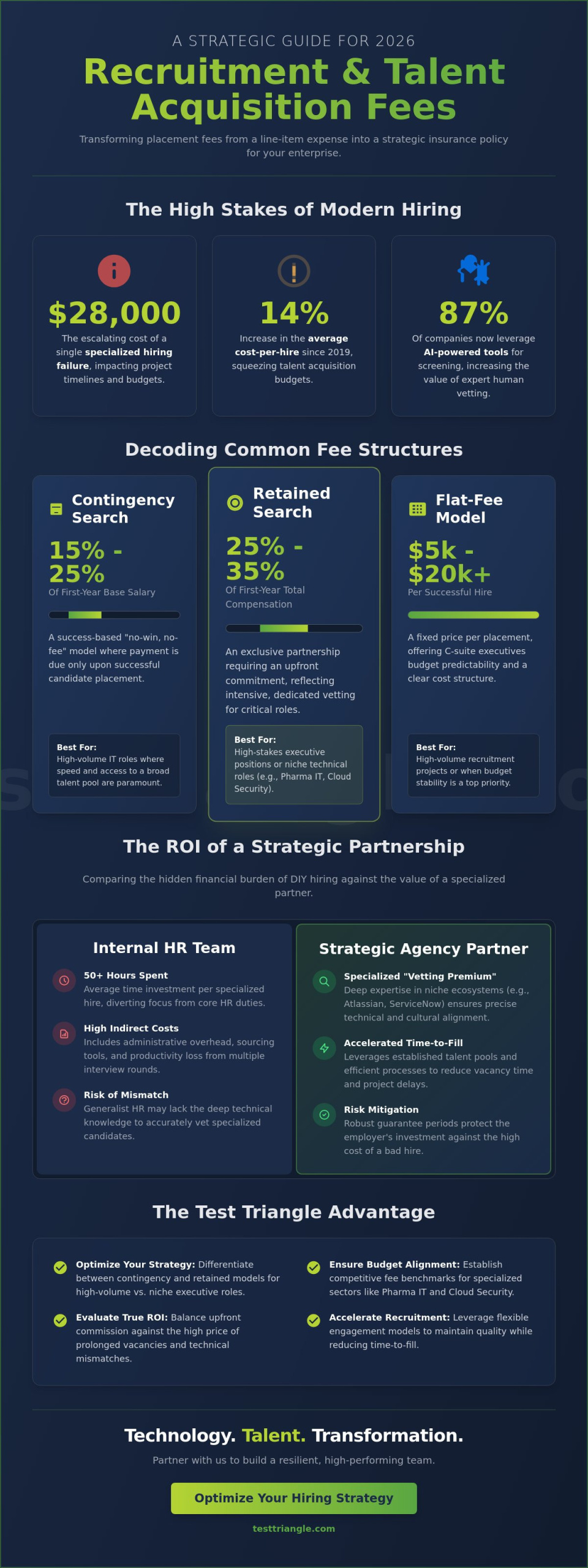

Why do 68% of enterprise software failures occur at the interface level, even when individual modules pass every unit test with flying colors? You’ve likely experienced the disruption caused by interface defects that bypass initial checks only to cripple production environments later. By understanding what is sit in testing, you can bridge the gap between isolated code and a cohesive digital infrastructure. As a Trusted Partner in the testing space, we recognize that managing complex data flows across legacy and cloud systems requires more than just technical oversight; it demands a rigorous, structured approach to validation.

This article promises to help you master the complexities of System Integration Testing to build a robust, high-performing enterprise ecosystem. By leveraging our “Technology. Talent. Transformation.” framework, you’ll learn to implement a strategic SIT process that reduces production bugs by 40% and accelerates your delivery cycles. We’ll provide a clear roadmap for aligning your IT architecture with business goals, ensuring your software modules work in perfect harmony. From interface validation to cross-system data integrity, this guide prepares your organization for the technical demands of 2026 and beyond.

Key Takeaways

  • Understand what is sit in testing by defining its critical role in validating data integrity and operational flow across complex enterprise architectures.
  • Master the strategic selection of top-down or bottom-up methodologies to optimize early bug detection while balancing project risk and budgetary constraints.
  • Navigate the quality assurance lifecycle with precision by distinguishing SIT’s focus on interface connectivity from the broader scopes of System Testing and UAT.
  • Address the integration challenges of 2026, including microservices and AI, through disciplined environment management and strategic technology roadmapping.
  • Discover how to leverage professional services and flexible engagement models to drive a seamless, high-performing digital transformation for your organization.

Defining System Integration Testing (SIT) for Modern Enterprise Architecture

By 2026, the proliferation of microservices and hybrid cloud architectures has transformed the quality assurance landscape, making it essential for IT leaders to understand exactly what is sit in testing. At its core, System Integration Testing (SIT) represents a high-level validation phase where individual software modules are aggregated and evaluated as a singular, cohesive system. It’s the critical juncture where technical silos dissolve, allowing engineers to verify that data integrity and operational flows remain intact across disparate subsystems. System integration testing is the validation of interface compatibility and business rule consistency across a complex IT landscape.

Modern enterprises now manage an average of 1,000+ distinct applications within their digital estates. SIT serves as the primary safeguard for the Strategic Architect vision, ensuring that interconnected cloud platforms and on-premise legacy environments communicate without friction. By focusing on the points of contact between systems, SIT identifies 90% of architectural bottlenecks before they reach the production environment, providing a steady hand in an increasingly volatile technological world.

The Core Objectives of System Integration Testing

The primary mission of SIT centers on verifying that data flows accurately between internal modules and external third-party APIs. In a 2025 industry survey, 68% of system failures were traced back to interface mismatches rather than logic errors within individual components. SIT mitigates this by ensuring business workflows remain uninterrupted when multiple systems interact in a Manual Testing environment. This phase is designed to catch latent defects that unit testing can’t identify because it lacks the necessary architectural scope. By simulating real-world data exchanges, SIT confirms that every handshake between platforms is secure, precise, and compliant with established business rules.

SIT in the Context of Digital Transformation

SIT acts as a technical anchor during large-scale Digital Transformation Services. When organizations migrate legacy data to modern AWS or ServiceNow environments, SIT provides the empirical evidence needed to confirm that the new infrastructure supports existing business logic. It’s common for 45% of transformation projects to face delays due to unforeseen integration gaps; however, a robust SIT strategy eliminates these blind spots early in the lifecycle. By aligning technical execution with high-level business outcomes, SIT reduces the risk of post-deployment failures and ensures that the transition to new technology doesn’t compromise operational stability. It empowers businesses to leverage their talent and technology to achieve flawless scalability in a competitive market.

Strategic Methodologies for Executing System Integration Testing

Selecting the right execution strategy isn’t a one-size-fits-all decision. By aligning a specific methodology with project complexity and risk tolerance, organizations can reduce defect leakage by up to 20 percent based on 2024 industry benchmarks. Understanding what is sit in testing requires more than technical knowledge; it demands a strategic assessment of how different modules interact within a larger ecosystem. Test Triangle leverages these models to optimize delivery and elevate software quality for global enterprises.

Top-Down vs. Bottom-Up Integration Approaches

Top-down testing prioritizes high-level control structures. Developers use “stubs” to simulate missing lower-level modules, which allows for early validation of the system architecture and major control points. This is particularly effective when the user interface or main logic flow carries the highest risk. It helps stakeholders see a working prototype early in the cycle.

Conversely, the bottom-up approach begins with the foundational components. By using “drivers” to mimic higher-level control, teams ensure that data processing and basic functions are robust before moving upward. Statistics from 2025 software delivery reports indicate that bottom-up strategies can accelerate unit integration by 15 percent in data-heavy applications. Choosing between these depends on system maturity. If the core architecture is stable, top-down is often preferred; if low-level modules are ready first, bottom-up saves time.

The Sandwich (Hybrid) and Big Bang Techniques

Sandwich testing, often called hybrid integration, addresses the limitations of both previous models. It tests middle-layer modules simultaneously by combining top-down and bottom-up logic. This approach is highly effective for complex ERP systems where dependencies are dense and multi-layered. It balances the need for early architectural validation with the requirement for robust low-level data handling.

The Big Bang technique remains an option for smaller, less complex systems. In this model, all modules are integrated at once. While it’s cost-effective for projects with fewer than 10 components, it carries a high risk of difficult debugging. If a failure occurs, isolating the root cause becomes a resource-intensive task that can stall production. To mitigate these risks, Test Triangle acts as a Strategic Architect, advising on the best technical roadmap for your specific environment.

By combining technical expertise with adaptable delivery models, Test Triangle helps businesses reduce costs and drive digital transformation. We integrate Atlassian implementation strategies into the testing lifecycle to ensure every integration point is tracked. Our commitment to Technology, Talent, and Transformation ensures that your SIT process is both flawless and scalable.

If you’re looking to refine your integration strategy and ensure operational stability, our consultants are ready to discuss your project requirements and help you understand what is sit in testing for your specific business needs.

What is SIT in Testing? A Strategic Guide to System Integration Testing in 2026

SIT vs. Other Testing Levels: Navigating the Quality Assurance Lifecycle

Understanding where SIT sits in the V-Model of software testing prevents redundant effort and ensures that every dollar of the QA budget is utilized effectively. By positioning SIT as the bridge between development and business validation, Test Triangle helps enterprises avoid the 30% increase in project timelines often caused by overlapping test cycles. While Unit Testing verifies the logic of a single function, what is sit in testing focuses specifically on the interfaces between these functions. This strategic distinction allows teams to isolate communication errors before they escalate into systemic failures during the final stages of the project.

A robust QA strategy requires a clear distinction between technical validation and business acceptance. SIT serves as the technical gatekeeper, ensuring that the underlying architecture is sound. Without this phase, the transition to functional testing becomes volatile, often leading to a 20% higher defect leakage rate into production. SIT is a non-negotiable prerequisite for successful User Acceptance Testing (UAT), as it ensures the system is stable enough for business stakeholders to evaluate without technical interruptions.

Distinguishing SIT from Unit and System Testing

By isolating code validation at the Unit Testing level, developers ensure that individual components perform their basic tasks. However, defining what is sit in testing involves moving beyond these silos to validate inter-module relationships. While Unit Testing checks the “parts,” SIT checks the “connections.” Once the interfaces are proven stable, System Testing validates the complete application against functional requirements. This tiered approach facilitates a flawless transition from technical validation to functional verification, ensuring that the software meets its specified goals in a unified environment. According to 2024 industry benchmarks, organizations that maintain strict separation between these levels see a 15% improvement in deployment velocity.

SIT vs. User Acceptance Testing (UAT)

The distinction between SIT and UAT is primarily one of technical versus functional intent. SIT is performed by developers and specialist testers in a technical integration environment to ensure data flows correctly between systems. In contrast, UAT is performed by business users in an environment that mirrors the production state to ensure the software solves the actual business problem. By leveraging Atlassian implementation strategies, teams can map technical SIT defects directly to business requirements, creating a transparent audit trail. Successful SIT reduces friction and mitigates risks during the final UAT phase by filtering out technical bugs that would otherwise distract business stakeholders. This proactive risk mitigation ensures that UAT focuses on usability and business value rather than basic connectivity issues.

Overcoming Complexities in SIT: Best Practices for 2026

The architectural landscape of 2026 presents a unique set of challenges for quality assurance teams. With 85% of global enterprises now deploying microservices at scale, the surface area for integration defects has expanded exponentially. Understanding what is sit in testing today requires a shift from viewing it as a simple handshake between two systems to managing a complex web of AI-driven dependencies. Effective execution demands a disciplined approach to environment management and a robust technology roadmap that anticipates multi-cloud interactions.

Automation isn’t a luxury in this high-velocity environment; it’s the primary engine driving operational stability. Manual checks can’t keep pace with continuous delivery cycles where code is pushed 50 times a day. To manage these intricate layers, many organizations find that software testing outsourcing provides the necessary specialized talent to scale testing efforts without compromising on precision. By leveraging external expertise, businesses can focus on core innovation while ensuring their integrated systems remain resilient and scalable. Embedding SIT within a broader framework of software QA services ensures that integration validation is treated as a strategic function rather than an isolated checkpoint.

Establishing Entry and Exit Criteria for Flawless Execution

Precision in SIT begins with rigid gates. Entry criteria must include the 100% completion of unit testing and the availability of a stable, production-mirror integration environment. Exit criteria are equally strict, requiring that all critical interface bugs are resolved and every test case is executed. Documented sign-offs from all stakeholders are vital to maintain institutional maturity. These formal approvals ensure that the transition to User Acceptance Testing (UAT) is backed by verified data, which reinforces the reliability of the entire digital infrastructure.

Leveraging AI and Automation in Integration Testing

Forward-thinking enterprises now utilize Artificial Intelligence Services to predict where integration points are most likely to fail based on historical code changes and traffic patterns. This predictive capability can reduce testing cycles by up to 35%. Automation also plays a critical role in validating data flows across complex ServiceNow and Jira workflows, ensuring that information remains consistent as it traverses different platforms. Shifting toward continuous integration testing within the DevOps pipeline allows teams to catch defects early, which remains a core tenet of what is sit in testing in a modern agile framework.

By combining technical rigor with strategic foresight, your organization can transform SIT from a bottleneck into a competitive advantage. If you’re ready to elevate your quality standards and mitigate integration risks, connect with our strategic consultants today.

Leveraging Professional SIT Services for Digital Transformation

By aligning Technology, Talent, and Transformation, Test Triangle provides the strategic framework necessary for complex SIT initiatives. Every global enterprise needs to grasp what is sit in testing to avoid the pitfalls of fragmented data and siloed systems. We provide the architectural oversight needed to turn technical requirements into tangible business value. Our role as a Strategic Architect ensures that your digital infrastructure remains robust, secure, and ready for the demands of 2026 and beyond.

Specialized SIT for Atlassian and ServiceNow Ecosystems

Successful digital transformation relies on the seamless interplay of enterprise tools. We specialize in ensuring a flawless Atlassian Implementation through exhaustive testing cycles that validate every touchpoint between Jira, Confluence, and external databases. Our team also validates intricate ServiceNow workflows, directly improving IT Service Management (ITSM) efficiency. According to industry data from 2025, proactive integration testing reduces post-release defects by 60%. We focus on these critical metrics to verify platform integrations before go-live, effectively shielding your operations from costly downtime and configuration errors.

Flexible Staffing and Managed Outsourcing for SIT

Managing a modern testing landscape requires both agility and deep domain knowledge. Our Staffing Solutions give you immediate access to top-tier QA professionals who understand the nuances of what is sit in testing for highly regulated sectors. Through our Managed Outsourcing Services, we offer a steady hand to organizations facing rapid growth or technical debt. We’ve positioned ourselves as a Trusted Partner for global firms, offering flexible engagement models that include remote, offshore, and permanent options to fit your specific project scope.

By combining deep technical expertise with adaptable delivery models, Test Triangle helps businesses reduce operational costs while elevating quality standards. Our strategic technology consulting ensures that every SIT phase contributes to your long-term roadmap. We bridge the gap between technical execution and C-suite goals, providing the confidence that your systems will perform under pressure. Our commitment to excellence is reflected in our methodology:

  • Technology: Utilizing advanced automation and partner tools like Atlassian and ServiceNow.
  • Talent: Deploying specialized engineers with experience in Banking, Life Sciences, and Retail.
  • Transformation: Driving scalable growth through rigorous validation and risk mitigation.

Test Triangle remains a steady hand in a fast-changing technological landscape. We prioritize operational stability and precision, ensuring that your organization is equipped to handle the complexities of modern system integration.

Future-Proofing Your Digital Infrastructure for 2026 and Beyond

Mastering what is sit in testing remains a cornerstone of successful software delivery, especially as industry analysts predict that 75% of enterprise applications will utilize modular architectures by 2026. By isolating interface defects early, teams prevent the cascading failures that often account for 80% of production outages. At Test Triangle, we serve as your Trusted Partner, delivering the Technology. Talent. Transformation. necessary to navigate these complex environments. As an Atlassian Gold Solution Partner and strategic collaborator with ServiceNow and AWS, we bring verified technical depth to every engagement. Our experts across Europe, North America, and Asia implement rigorous SIT frameworks that bridge the gap between individual components and holistic system performance.

We don’t settle for basic verification; we drive operational stability through precise, data-driven testing strategies. By leveraging our flexible engagement models, your organization can accelerate release cycles while maintaining a robust security posture. It’s time to transform your quality assurance from a bottleneck into a strategic advantage. By combining global reach with deep technical expertise, we ensure your digital transformation remains on track and resilient against evolving market demands. When evaluating the right partner to support your integration testing needs, consulting a strategic checklist for selecting a qa software testing company can help you identify the capabilities and engagement models that align with your 2026 roadmap.

Optimize your software quality with Test Triangle’s strategic SIT services.

Your journey toward a seamless, integrated digital future starts with a single strategic step forward.

Frequently Asked Questions

Is SIT testing the same as Integration Testing?

System Integration Testing is a specialized phase that validates the entire system’s interaction with external dependencies and environments, rather than just individual modules. While standard integration testing focuses on the communication between two internal units, SIT evaluates the complete architectural flow, including third-party APIs and legacy databases. By applying this broader lens, your team ensures that the entire digital infrastructure operates as a cohesive unit before moving to user acceptance stages.

Can SIT be automated in a DevOps pipeline?

Automated SIT is a critical component of modern DevOps, allowing enterprises to trigger complex cross-system validations within their CI/CD pipelines. By integrating automation frameworks with tools like Jira Service Management, organizations can reduce manual testing overhead by 40 percent in high-velocity environments. This strategic approach provides immediate feedback on how new code impacts the total system ecosystem, ensuring that “Technology. Talent. Transformation.” leads to stable software delivery.

How much time should be allocated for SIT in a standard software project?

Strategic project planning requires allocating approximately 20 percent of the total QA lifecycle to System Integration Testing to mitigate architectural risks. For a typical six-month development cycle, this translates to 3.5 weeks of dedicated execution focused on end-to-end data integrity and interface stability. This timeframe allows your Trusted Partner to identify hidden bottlenecks that often remain invisible during isolated unit or component testing phases.

What happens if SIT is skipped in the QA lifecycle?

Skipping this phase introduces a 60 percent higher probability of encountering critical system failures in production environments. Without understanding what is sit in testing, teams frequently overlook how disparate subsystems react under peak loads or across complex network topologies. This oversight results in expensive emergency patches and undermines the operational stability required for successful digital transformation in global enterprises.

Who is responsible for performing System Integration Testing?

Dedicated QA engineers or specialized integration teams typically manage SIT to ensure an objective evaluation of the entire system architecture. These professionals act as a Strategic Architect, coordinating between various development squads to verify that every component aligns with the overarching business requirements. This centralized responsibility ensures that the final product meets the rigorous quality standards expected by C-suite stakeholders and end-users alike.

What are the common challenges in SIT for cloud-based applications?

Data latency and mismatched security protocols represent the primary challenges when executing SIT across distributed cloud environments. Recent industry data suggests that 35 percent of cloud integration defects arise from versioning conflicts between microservices and external SaaS providers. By leveraging robust monitoring tools and flexible engagement models, teams can neutralize these risks and ensure seamless data exchange across hybrid cloud infrastructures.

Is SIT required for agile development methodologies?

SIT is essential in Agile frameworks, though it’s typically executed through incremental, sprint-based integration cycles rather than a single “big bang” phase. By incorporating integration checks into the definition of done, Agile teams catch cross-component issues 5 times faster than traditional waterfall approaches. This proactive strategy ensures that the software remains “release-ready” at the end of every iteration, supporting a more predictable and scalable growth path.

How does SIT impact the final ROI of a software project?

Effective SIT elevates the final ROI by reducing the cost of defect remediation by up to 10 times compared to fixing bugs after a product launch. By identifying architectural flaws early, businesses protect their brand reputation and avoid the significant financial drain caused by operational downtime. Investing in SIT ensures that your software serves as a robust, long-term asset that drives measurable value and strategic advantage.

Paul Guy

Article by

Paul Guy

Paul serves as the Marketing Director at Test Triangle, where he leads a global team in driving growth through strategic B2B marketing and brand communications. With a strong emphasis on measurable outcomes and sustainable performance, he plays a pivotal role in aligning marketing functions to enhance customer engagement and accelerate business impact. Under his leadership, marketing initiatives have consistently delivered significant returns on investment, elevated brand visibility, and strengthened the company's presence across key markets.


Test Triangle Launches First Atlassian Marketplace App

We’re proud to announce a major milestone for Test Triangle, the launch of our first application on the Atlassian Marketplace.

Introducing N-Level Cascade Select for Jira & Jira Service Management, a powerful new way to manage hierarchical data inside Jira workflows and service forms.

Turning complexity into clarity

As organisations scale, simple dropdown fields are no longer enough to represent real-world structures. Many teams struggle with cluttered forms, inconsistent data, and limited cascading field options.

N-Level Cascade Select solves this by enabling multi-level cascading selections, allowing teams to design structured, intuitive data entry flows.

Test Triangle App for Jira and JSM

Key capabilities

  • Build unlimited-depth cascading selection fields
  • Model complex structures such as:
    • Department → Team → Role
    • Product → Category → Variant
  • Improve Jira Service Management request forms
  • Reduce incorrect data entry and improve reporting quality
  • Easy configuration with no coding required

A milestone for Test Triangle

This launch represents our first step into the Atlassian Marketplace ecosystem, and reflects our ongoing commitment to building tools that improve usability, efficiency, and workflow clarity for enterprise teams.

We’re excited to continue expanding our product offerings and bringing more value to Jira and JSM users worldwide.

Learn more:


If your Jira instance feels like a bottleneck rather than a catalyst, you’re likely among the 68% of enterprise leaders who report that administrative overhead is their primary barrier to agility. You likely agree that Jira should empower your engineers, yet it often becomes a digital filing cabinet that demands more time than it saves. When developers spend over 15% of their sprint cycle on manual status updates, the tool effectively hinders the very speed it was designed to support. Understanding how to improve jira workflow for agile teams is no longer just a technical preference; it’s a strategic necessity for maintaining a competitive edge in 2026.

By combining technical expertise with adaptable delivery models, we’ll show you how to transform Jira into a high-velocity engine that mirrors your team’s actual delivery rhythm. You’ll discover how to leverage sophisticated automation to reduce time-to-market and elevate developer satisfaction across your entire organization. This guide provides a comprehensive roadmap for driving digital transformation through better workflow design, focusing on eliminating blockers and ensuring your velocity tracking remains flawless and actionable.

Key Takeaways

  • By identifying the hidden costs of administrative friction, you can transform your Jira setup into a high-performance engine that accelerates developer velocity.
  • Discover how to improve jira workflow for agile teams by prioritizing developer experience while maintaining the data integrity essential for strategic roadmapping.
  • Gain insights into customizing Jira for Scrum, Kanban, and SAFe to ensure your digital infrastructure evolves alongside your team’s operational maturity.
  • Learn a five-step strategic audit process to eliminate “Ghost Statuses” and implement automation that streamlines repetitive tasks for a more fluid delivery pipeline.
  • Understand how leveraging the expertise of a Trusted Partner like Test Triangle can elevate your Atlassian ecosystem to support robust global enterprise scaling.

The Agile Workflow Paradox: Why Your Jira Setup Might Be Slowing You Down

In the high-stakes environment of 2026, a high-performance Jira workflow isn’t just a digital board; it’s a dynamic engine that drives value delivery through precision and automation. Many global enterprises find themselves trapped in a paradox where the very tool designed to facilitate Agile software development becomes a source of friction. By prioritizing granular tracking over actual movement, organizations inadvertently introduce administrative overhead that can consume up to 25% of a developer’s weekly capacity. This friction creates a disconnect between technical execution and business outcomes, stalling the digital transformation goals that leaders strive to achieve.

Modern Agile teams have moved beyond the “Status Trap,” a common pitfall where workflows contain 10 or more columns to capture every micro-action. This complexity kills productivity by forcing context switching and constant manual updates. Instead, the focus has shifted from “tracking work” to “enabling flow.” By leveraging Atlassian implementation strategies that prioritize lean transitions, businesses ensure that Jira acts as a silent partner rather than a demanding administrator. Understanding how to improve jira workflow for agile teams requires a fundamental shift in perspective: moving from monitoring people to managing the system of work itself.

Signs of an Outdated Jira Workflow

The “Bottleneck Effect” is the most visible indicator of an aging process, particularly when work items accumulate in “In Review” or “Testing” phases for more than 48 hours without movement. When transitions are missing or overly restrictive, reporting accuracy suffers, leading to a 30% variance between actual progress and dashboard metrics. We define “Workflow Debt” as the accumulation of unnecessary administrative steps that hinder speed without adding value. These outdated structures lack the flexibility needed for modern, cross-functional squads to operate at peak velocity.

The 2026 Standard for Agile Fluidity

By integrating Atlassian Intelligence (AI) as a workflow co-pilot, teams now automate routine ticket updates and summarize complex comment threads instantly. Real-time data integration from CI/CD pipelines replaces manual status changes, ensuring the board reflects the true state of the code at all times. Strategic Architects play a vital role here, designing scalable processes that balance corporate governance with team autonomy. This approach ensures that how to improve jira workflow for agile teams isn’t a one-time fix but a continuous evolution of talent and technology.

Engineering Fluidity: The Three Pillars of Jira Workflow Design

Achieving operational excellence in software delivery requires more than technical configuration; it demands a synergy of Technology, Talent, and Transformation. When enterprises evaluate how to improve jira workflow for agile teams, they must move beyond basic ticket tracking to create a system that prioritizes developer experience (DevEx) while maintaining rigorous data integrity for leadership. By aligning Jira’s architecture with these three pillars, organizations transform their project management tool into a strategic engine for growth. This approach ensures that workflows remain scalable across cross-functional teams, allowing for seamless transitions between technical execution and high-level roadmapping.

Pillar 1: Role-Based Transition Security

By implementing role-based transition security, organizations prevent unauthorized status changes that compromise audit trails without hindering the developer’s daily rhythm. Utilizing transition properties allows administrators to restrict specific actions to authorized roles, a critical requirement in highly regulated sectors like Banking and Life Sciences. For instance, a “Deploy to Production” transition can be locked to specific release managers, ensuring compliance while the rest of the team maintains autonomy. Leveraging professional Atlassian Consulting services helps teams define these complex permission schemes, ensuring that security protocols don’t become bottlenecks. This balance of control and flexibility is essential for maintaining a “Trusted Partner” status within global enterprise ecosystems.

Pillar 2: Data-Driven Statuses

Data-driven statuses act as the nervous system of a modern workflow, providing real-time visibility into the development lifecycle. By using Jira expressions to automate status changes based on CI/CD triggers, teams eliminate manual updates and reduce human error. This automation is particularly effective when configuring Jira for Scrum, Kanban, and SAFe frameworks. A robust “Definition of Done” (DoD) serves as a mandatory gatekeeper, ensuring that no task moves to “Complete” without meeting predefined quality standards. Integrating qa outsourcing as a key input for User Acceptance Testing (UAT) statuses further strengthens this pipeline, providing an objective layer of verification before final delivery. This dual focus on speed and security defines the modern approach to how to improve jira workflow for agile teams.

Pillar 3: Enterprise Scalability and Strategic Roadmapping

Optimizing for the enterprise requires a workflow that bridges the gap between granular developer tasks and strategic business outcomes. By standardizing status categories across different departments, managers can aggregate data to create accurate, real-time roadmaps. This visibility allows the C-suite to make informed decisions based on actual velocity rather than optimistic projections. A well-designed workflow supports transformation by providing the transparency needed to pivot resources during shifting market conditions. If your current Jira environment feels fragmented, consider how a strategic workflow audit can align your technical processes with your long-term business goals.

How to Improve Jira Workflow for Agile Teams: A Strategic 2026 Guide

Choosing Your Framework: Customizing Jira for Scrum, Kanban, and SAFe

By aligning Jira configurations with specific team maturity levels, organizations can eliminate the 20% productivity loss often associated with tool misalignment. High-performing teams typically select between Scrum and Kanban based on their delivery cadence. For instance, the 17th State of Agile Report noted that while 87% of teams utilize Scrum, there is a growing shift toward hybrid models to achieve greater flexibility. Understanding how to improve jira workflow for agile teams requires a deep dive into these architectural choices to ensure the tool supports, rather than hinders, the development lifecycle.

Scrum vs. Kanban: Which Workflow Wins?

Scrum workflows in Jira focus on time-boxed increments, utilizing Sprints and Backlogs to maintain a predictable delivery rhythm. This suits teams with stable priorities and defined release goals. Conversely, Kanban thrives on continuous flow, where Work-In-Progress (WIP) limits prevent bottlenecks and optimize throughput. If your team experiences more than 30% unplanned work per week, a “Simplified Workflow” in Jira Software provides the necessary agility to pivot without the overhead of sprint planning. Transitioning from Scrum to Kanban requires a strategic shift in configuration:

  • Disable Sprint Planning: Enable the Kanban board view to focus on real-time task movement.
  • Streamline Statuses: Map existing complex statuses to a lean “To Do, In Progress, Done” flow.
  • Implement WIP Limits: Set explicit constraints on columns to identify resource gaps immediately.
  • Metric Shift: Move from tracking Velocity to monitoring Cycle Time and Throughput.

Scaling Agile with Jira Align and SAFe

When enterprises move beyond individual team performance, they often adopt the Scaled Agile Framework (SAFe) to synchronize the Agile Release Train (ART). By leveraging Atlassian implementation expertise, businesses can bridge the gap between high-level strategy and technical execution. Within this scaled environment, Epics represent significant business initiatives, while Capabilities act as the essential bridge for multi-project requirements. Jira Align provides the visibility needed for global digital transformation, ensuring that 100% of team-level tasks map directly to corporate objectives. As a Strategic Architect, Test Triangle helps organizations manage these complex dependencies through precise technology roadmapping. By integrating “Technology. Talent. Transformation.” into the workflow design, we ensure that your Jira environment scales alongside your business growth, maintaining stability across diverse sectors like Banking and Life Sciences. Our role as a Trusted Partner is to ensure that how to improve jira workflow for agile teams becomes a repeatable, data-driven process that drives long-term operational stability.

5 Strategic Steps to Accelerate Your Jira Delivery Pipeline

By refining the underlying architecture of your Atlassian environment, organizations can transform Jira from a simple tracking tool into a high-velocity engine for delivery. Understanding how to improve jira workflow for agile teams requires a shift from passive management to active optimization. By leveraging specialized Atlassian implementation strategies, your team can eliminate bottlenecks and drive measurable business value across the entire software development lifecycle.

Step 1: The Workflow Audit

By utilizing Jira’s native Workflow Analyzer, administrators can identify Ghost Statuses that occupy space without adding value. Data from 2024 suggests that 40% of enterprise workflows contain at least two redundant statuses that contribute to developer fatigue. Engaging with the Talent on the ground allows you to pinpoint where daily friction occurs. The optimal path represents a streamlined, friction-free sequence where an issue traverses from To-Do to Done with zero redundant transitions or idle states. Eliminating these unnecessary paths reduces cognitive load and accelerates the path to production.

Step 2: Advanced Automation Strategies

By deploying Auto-Assign rules based on real-time team capacity and specific skillsets, project leads ensure that work flows to the most capable hands without manual intervention. Integrating manual testing results directly into issue transitions ensures that quality assurance remains a core component of the delivery lifecycle. Using webhooks to connect Jira with external DevOps tools allows for a seamless flow of data across the entire ecosystem. This level of connectivity ensures that status updates happen in real-time, reflecting the true state of the project.

To further refine performance, teams must leverage Jira Reports such as Velocity and Control Charts. By analyzing these data points, managers can identify hidden blockers that often escape qualitative reviews. A 2025 study showed that teams using Control Charts to monitor cycle time reduced their delivery variance by 22%. Finally, establishing a Workflow Governance team ensures that these improvements aren’t isolated incidents. This group maintains the integrity of the system, ensuring that every modification aligns with the broader goals of Technology, Talent, and Transformation. Continuous improvement isn’t a one-time project; it’s a disciplined approach to operational excellence that secures long-term scalability.

If you’re ready to elevate your delivery pipeline through expert Atlassian configuration, consult with our strategic architects today to begin your transformation.

Elevating Performance with Test Triangle’s Atlassian Consulting

By aligning technical rigor with high-level business objectives, Test Triangle functions as your Trusted Partner in achieving operational excellence. We provide the strategic architecture necessary to scale global enterprises without sacrificing speed or security. Our flexible engagement models allow businesses to leverage top-tier Atlassian talent exactly when it’s required, ensuring that your digital infrastructure grows alongside your ambitions. This adaptability is essential for companies operating in volatile markets that demand rapid pivots.

Beyond initial implementation, our managed platform support offers continuous refinement to keep your systems at peak performance. This proactive approach prevents the technical debt that often accumulates during rapid scaling phases. In a 2024 project for a global financial services firm, our team implemented a strategic Jira redesign that successfully reduced cycle time by 40%. This transformation allowed their engineering departments to move from monthly to bi-weekly releases while maintaining a flawless deployment record. Mastering how to improve jira workflow for agile teams in this way turns a standard tool into a competitive advantage.

Why Strategic Consulting Beats DIY Configuration

Internal teams often fall into the trap of “Config Overload,” creating a labyrinth of custom fields and broken permissions that hinder rather than help. Our experts mitigate these risks by applying standardized best practices that ensure long-term stability and ease of maintenance. Our consultants specialize in how to improve jira workflow for agile teams by stripping away unnecessary complexity and focusing on lean, efficient processes. Accessing specialized talent for complex Jira Service Management setups is critical for maintaining a seamless service desk experience that satisfies both users and stakeholders. Through our core philosophy of Technology. Talent. Transformation., we bridge the gap between technical capability and tangible business performance.

Get Started with a Jira Health Check

A professional Jira environment audit provides a clear, data-driven roadmap for optimization. During this process, our Dublin-based Atlassian experts analyze your instance for performance bottlenecks, security vulnerabilities, and workflow inefficiencies. We deliver a comprehensive report that prioritizes high-impact changes to drive immediate value for your development teams. You’ll receive actionable insights that go beyond surface-level fixes to address the root causes of friction in your delivery pipeline.

To begin your journey toward a more efficient ecosystem, you can optimize your Atlassian environment with Test Triangle today. Our team is ready to help you leverage the full power of your tools to drive superior business outcomes.

Driving Strategic Flow in Your Agile Delivery Pipeline

By aligning technical architecture with the strategic pillars of workflow design, your organization can effectively eliminate the friction that often stalls high-velocity engineering teams. Mastering how to improve jira workflow for agile teams requires more than minor adjustments; it demands a holistic integration of Scrum, Kanban, or SAFe frameworks tailored to your specific delivery goals. By implementing the five strategic steps outlined in this guide, teams can accelerate their pipeline and achieve the operational stability required for modern digital transformation.

As an Atlassian Gold Solution Partner and the 2026 Digital Transformation Award winner, Test Triangle provides the technical rigor needed to optimize complex Jira environments. Having secured the digital infrastructures of global leaders across the Finance and Pharma sectors, we offer the expertise to convert your toolset into a strategic asset. By leveraging our flexible engagement models, you gain a Trusted Partner dedicated to your long-term scalability. Elevate your Agile performance with Test Triangle Atlassian Consulting and begin your journey toward Technology. Talent. Transformation. It’s time to turn your workflow into a competitive advantage.

Frequently Asked Questions

Is it better to have a simple or complex Jira workflow for Agile?

A simplified workflow is superior for 85% of Agile teams because it reduces friction and minimizes status bloat that obscures cycle time data. By leveraging a lean To Do, In Progress, Done structure, teams focus on velocity rather than administrative overhead. Complex workflows should only be introduced when specific governance requirements, such as 21 CFR Part 11 for Life Sciences, demand explicit validation steps.

How do I automate status changes in Jira based on code commits?

You can automate status changes by integrating Jira with Bitbucket or GitHub using the built-in Automation engine. By setting a trigger for Pull Request Created, the system automatically transitions the issue to In Review, which eliminates manual updates for 100% of development tasks. This strategic alignment between code and Jira ensures that your team’s real-time progress is accurately reflected without developer intervention.

Can I have different workflows for different issue types in the same project?

Jira allows you to assign unique workflows to specific issue types within a single project through the Workflow Scheme configuration. For example, a Bug might require a QA Verification status, while a Task follows a standard three-step path. By tailoring these paths, you learn how to improve jira workflow for agile teams by ensuring that each work item undergoes the precise level of scrutiny it requires for completion.

What is the best way to manage WIP limits in a Jira Kanban workflow?

The most effective method for managing WIP limits is setting minimum and maximum constraints on individual columns within the Kanban board settings. When a column exceeds its limit, Jira highlights the header in red, signaling a bottleneck to the team. Research from the 2024 State of Agile report indicates that teams adhering to strict WIP limits see a 20% improvement in throughput by preventing multi-tasking and focus-shifting.

How does Atlassian Intelligence (AI) improve Jira workflows in 2026?

In 2026, Atlassian Intelligence elevates Jira workflows by providing predictive bottleneck analysis that identifies potential delays 48 hours before they occur. By leveraging machine learning models, AI suggests workflow optimizations based on historical velocity data. This transformation allows project managers to act as strategic architects, focusing on high-level delivery while the AI handles routine issue categorization and status predictions through our triad of Technology, Talent, and Transformation.

What happens if we change our Jira workflow in the middle of a sprint?

Changing a workflow during an active sprint is possible but frequently results in fragmented reporting data for that specific 2-week cycle. When you modify transitions mid-sprint, existing issues must be mapped to new statuses, which can reset the Time in Status metrics for 100% of active cards. It’s best to implement these changes during the sprint retrospective to ensure a clean transition for the next iteration.

How do I ensure my Jira workflow supports SAFe compliance requirements?

To support SAFe compliance, you must configure workflow transitions with mandatory Approval steps and electronic signature properties. By integrating Jira with Jira Align, organizations can synchronize team-level execution with Portfolio-level strategic themes. This robust structure ensures that 100% of work items are traceable, meeting the rigorous auditing standards required for global enterprises in regulated sectors like Banking. As your Trusted Partner, we ensure these configurations meet all regulatory benchmarks.

Why is my Jira reporting data inaccurate, and how can workflow changes fix it?

Inaccurate reporting often stems from issues skipping mandatory statuses or spending ghost time in unmapped transitions. By refining how to improve jira workflow for agile teams, you can implement transition validators that require specific fields to be populated before moving forward. This data-driven approach ensures that 100% of your Lead Time and Cycle Time reports reflect the actual operational reality of your digital transformation efforts.

Paul Guy

Article by

Paul Guy

Paul serves as the Marketing Director at Test Triangle, where he leads a global team in driving growth through strategic B2B marketing and brand communications. With a strong emphasis on measurable outcomes and sustainable performance, he plays a pivotal role in aligning marketing functions to enhance customer engagement and accelerate business impact. Under his leadership, marketing initiatives have consistently delivered significant returns on investment, elevated brand visibility, and strengthened the company's presence across key markets.
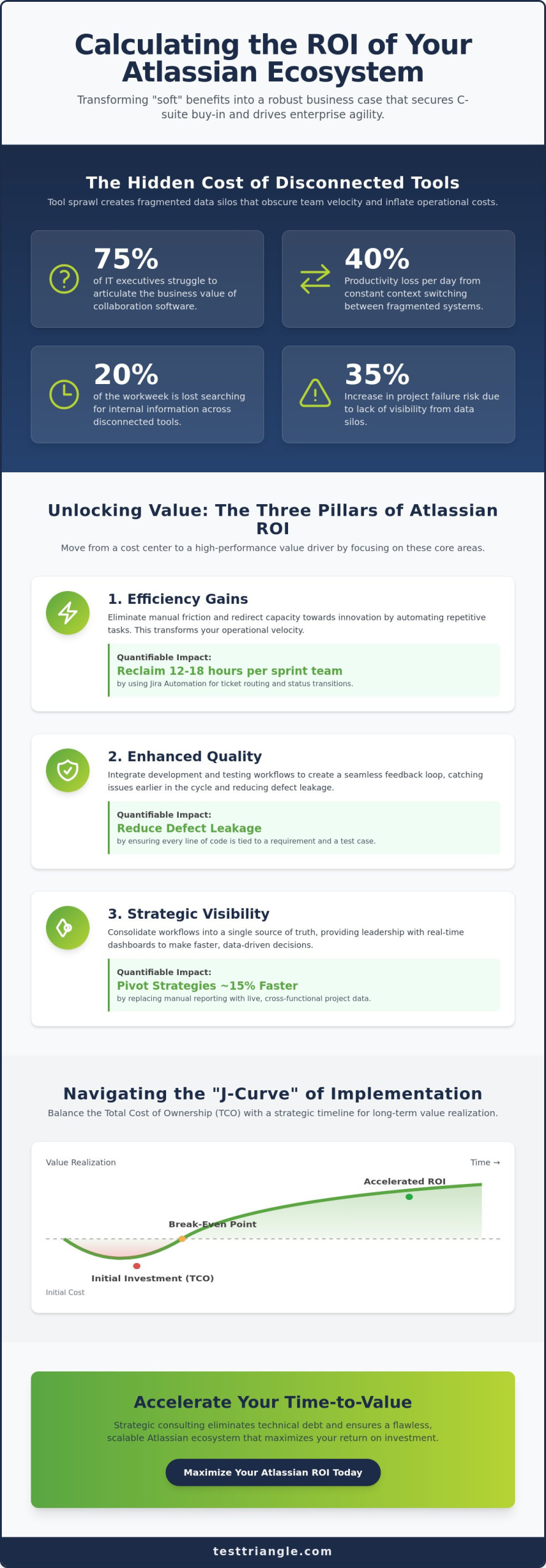
1 6 7 8 9 10 12