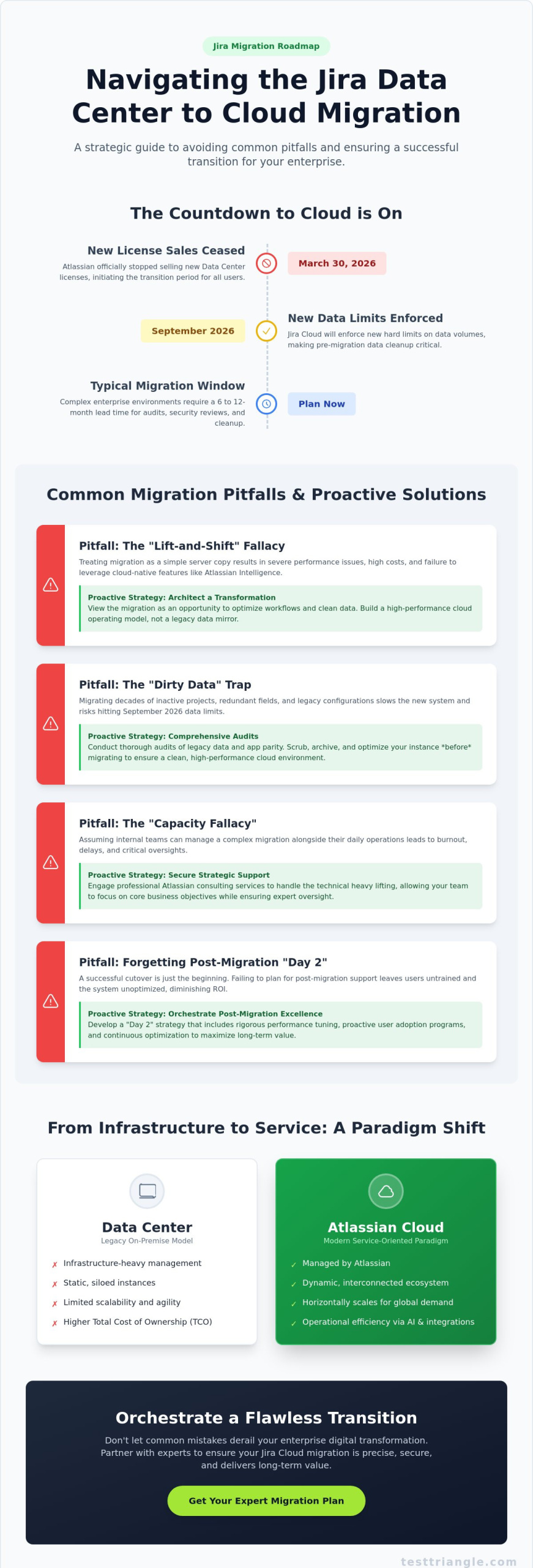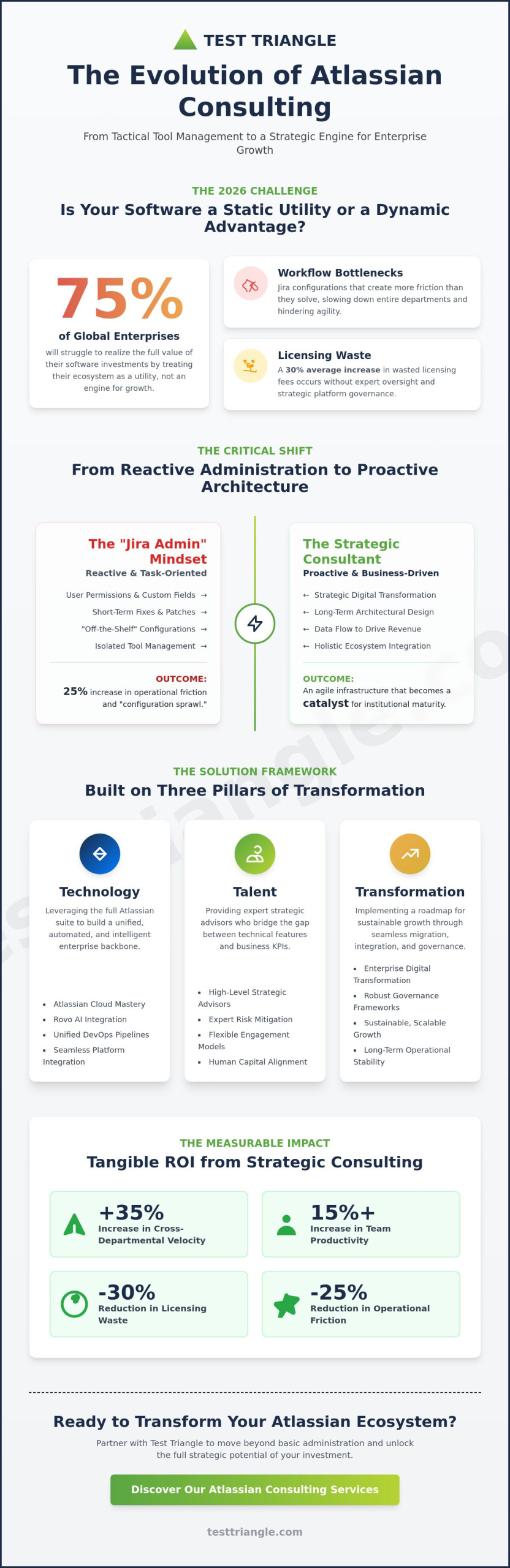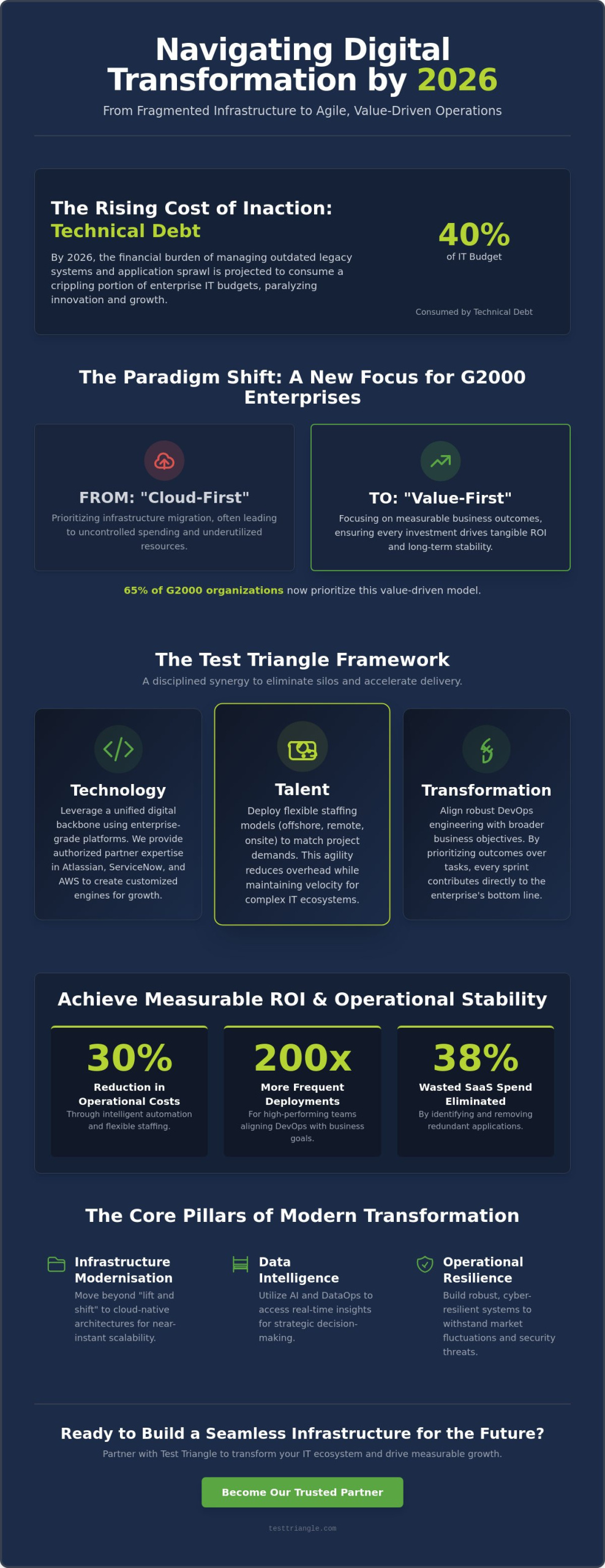
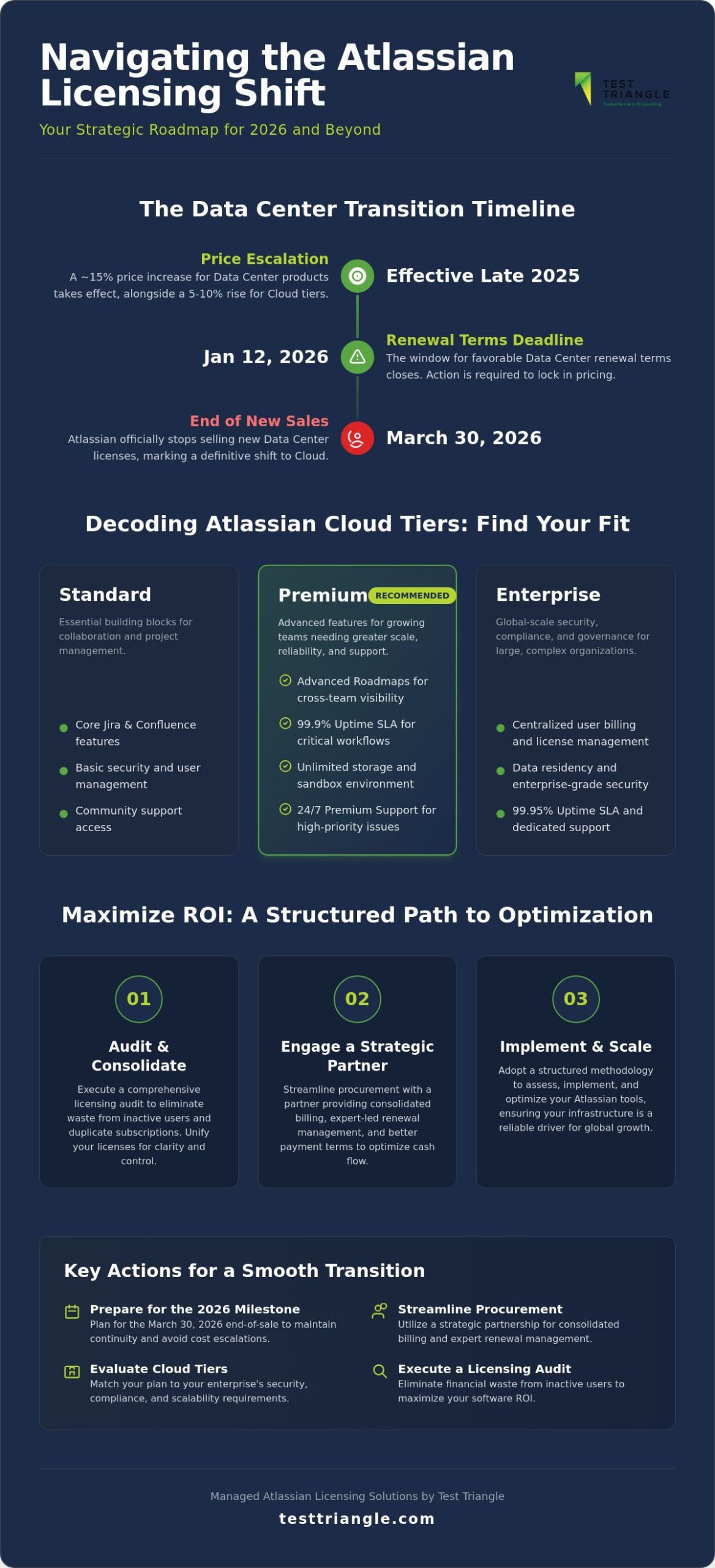
By March 30, 2026, the option to purchase new Atlassian Data Center licenses will officially vanish, marking a definitive shift in how global enterprises must architect their digital ecosystems. You likely recognize the mounting pressure of this transition, particularly as a 15% price increase for Data Center products takes effect while the window for favorable renewal terms narrows toward the January 12, 2026, hard stop. Managing Atlassian Licences across multiple products often leads to technical debt and financial waste, leaving many leadership teams feeling they’re overpaying for underutilized seats without a clear path forward.

This guide empowers you to regain control over your software spend by providing a clear roadmap for license consolidation and strategic growth. You’ll learn how to evaluate the ROI of Premium versus Enterprise tiers, navigate the critical journey from Data Center to Cloud, and leverage expert partnerships to secure better payment terms. We’ll examine the specific steps required to achieve precision, predictability, and performance in your licensing strategy, ensuring your infrastructure remains a catalyst for innovation rather than a budgetary burden.

Key Takeaways

  • Prepare for the March 30, 2026, end-of-sale milestone for Data Center products to maintain operational continuity and avoid unnecessary cost escalations.
  • Evaluate the functional distinctions between Cloud tiers to ensure your selected plan matches your enterprise’s specific security, compliance, and scale requirements.
  • Streamline your procurement of Atlassian Licences through a strategic partnership that provides consolidated billing and expert-led renewal management.
  • Execute a comprehensive licensing audit to eliminate waste from inactive users and duplicate subscriptions, maximizing your overall software return on investment.
  • Adopt a structured methodology to assess, implement, and optimize your digital tools, transforming your software ecosystem into a reliable driver of global growth.

The year 2026 represents a pivotal juncture for enterprise software architecture. As organizations move toward greater operational maturity, Atlassian Licences have evolved from simple software permissions into the essential gateway for enterprise agility and global collaboration. This shift is driven by a fundamental change in how teams interact with their tools. By anchoring your technology stack in a unified licensing framework, you create a stable foundation for Atlassian implementation that scales alongside your business objectives.

Understanding Atlassian’s corporate history reveals a consistent trajectory toward platform unification. This evolution culminates on March 30, 2026, a critical milestone where new Data Center license sales will cease entirely. For global enterprises, this isn’t merely a procurement deadline; it’s a strategic mandate to modernize. Waiting until the final hour risks operational disruption and creates unnecessary friction in your digital transformation journey. A strategic partner acts as a steady hand during this process, helping you navigate the complexities of Atlassian Licences while ensuring your global software spend remains optimized for maximum ROI.

The 2026 Cloud Mandate

The migration from self-managed infrastructure to high-performance Cloud environments is now a prerequisite for staying competitive. For industries like Life Sciences and Finance, where regulatory oversight is stringent, Atlassian Cloud offers advanced security protocols and automated compliance features that were previously difficult to maintain on-premise. Atlassian Cloud Licensing is a flexible, subscription-based model for modern DevOps. This model allows for rapid scaling and provides immediate access to the latest AI-driven features, ensuring your teams aren’t held back by legacy hardware limitations.

Data Center Transition: Deadlines and Decisions

Organizations still reliant on Data Center infrastructure must act with precision. The roadmap for 2026 requires a clear-eyed assessment of current user tiers and future growth projections. Delaying this transition introduces significant risks, including potential compliance gaps as support for older versions eventually sunsets. To ensure a seamless transition, your approach should focus on Strategy, Security, and Scalability. By mapping out these three pillars early, you avoid the pitfalls of a rushed migration and ensure your infrastructure remains robust during the shift to Cloud.

Decoding Cloud Tiers: Standard, Premium, and Enterprise

Selecting the appropriate tier for Atlassian Licences requires more than a simple comparison of feature lists; it demands a deep alignment with your organization’s operational maturity and long-term roadmap. While the Standard tier provides the essential building blocks for collaboration, the leap to Premium or Enterprise is often necessitated by the need for advanced orchestration and centralized governance. As Atlassian’s commercial strategy continues to prioritize Cloud innovation, enterprises must weigh the 5-10% price increases effective late 2025 against the functional gains in security and automation. Understanding these nuances is critical for technical leaders who must justify software spend while ensuring their teams remain unencumbered by tool limitations.

Standard vs. Premium: When to Upgrade

When does the upgrade become non-negotiable? The primary tipping point usually occurs when cross-team visibility becomes a bottleneck, making the Advanced Roadmaps feature in Jira Software Premium indispensable for complex project tracking. Beyond project management, the Premium tier offers a 99.9% uptime SLA and unlimited storage, providing the reliability required for mission-critical workflows. Managers should evaluate their current environment using this quick checklist:

  • Are teams struggling with manual status reporting across multiple projects?
  • Do you require a sandbox environment to test configurations before deployment?
  • Is your data growth approaching the limits of a Standard subscription?
  • Does your team require 24/7 “Premium” support for high-priority incidents?

If you answered yes to more than two, the Standard tier has likely been outgrown.

The Enterprise Advantage: Global Scale and Security

For global organizations managing thousands of users across disparate business units, the Enterprise tier serves as the ultimate catalyst for scale. It introduces multi-site management, allowing administrators to partition data and configurations while maintaining a unified billing and security posture. This tier is also the primary home for advanced AI capabilities like Rovo, which accelerates knowledge discovery across the entire ecosystem. We view this level of investment as a cornerstone of digital transformation services, offering a value proposition built on Peace, Performance, and Partnership.

Central to this scale is Atlassian Guard, which provides the centralized security and user provisioning necessary to mitigate risk in highly regulated environments. Since Guard Standard saw a 5% price adjustment in late 2025, optimizing its deployment within an Enterprise license often yields better consolidated value than managing fragmented security tools across various instances. It’s a strategic move that simplifies compliance while empowering your global workforce. If you’re uncertain which tier aligns with your 2026 growth targets, consulting with a strategic partner can clarify the financial and technical implications of your choice.

The Strategic Advantage of Partner-Led Licensing Procurement

While many procurement departments assume that purchasing directly from a vendor’s portal is the most efficient path, global enterprises often find that this approach lacks the nuance required for complex, multi-region deployments. Direct purchasing frequently forces organizations into rigid payment structures and anonymous support queues that don’t account for the unique operational hurdles of highly regulated sectors. By contrast, securing Atlassian Licences through an authorized partner transforms a routine transaction into a strategic asset. This collaborative model provides the Strategy, Support, and Stability required to ensure your software ecosystem remains resilient amidst shifting market demands. Partners don’t just process orders; they provide a layer of local expertise that bridges the gap between global product roadmaps and specific regional requirements.

Consolidated Billing and Financial Optimization

Managing a fragmented software portfolio across multiple vendors often results in administrative friction and hidden costs. Partner-led procurement alleviates this burden by offering consolidated billing, which simplifies the accounts payable process for diverse IT environments. Because partners often reinvest reselling commissions into value-added services, clients benefit from a more comprehensive support structure without increasing their direct software spend. This financial efficiency is particularly valuable when integrated with managed outsourcing services, as it allows for local currency invoicing and flexible payment terms that align with corporate fiscal cycles. Such adaptability ensures that your technology investments remain predictable, providing a clear methodology for scaling your digital infrastructure without the risk of currency fluctuations or unforeseen budgetary gaps.

Expert Guidance: Beyond the Transaction

The true value of a partner lies in their ability to move beyond the “anonymous portal” experience, acting instead as a dedicated strategic visionary for your technical infrastructure. While Atlassian provides excellent documentation for Decoding Cloud Tiers, a partner applies that information to your specific business context to prevent over-provisioning. This expertise is vital for aligning the procurement of Atlassian Licences with broader Atlassian implementation services, ensuring that every seat purchased is mapped to a functional requirement. For enterprises in Life Sciences and Finance, this seasoned guidance provides a steady hand in navigating compliance and security benchmarks that standard support channels might overlook. By choosing a reliable long-term collaborator, you gain access to a depth of institutional knowledge that secures your operational stability and empowers your teams to focus on core innovation rather than administrative maintenance.

Maximizing ROI: Auditing and Optimizing License Spend

Maintaining the health of your technical ecosystem requires more than just functional updates; it demands rigorous fiscal oversight to prevent budgetary drift. Many enterprises unknowingly leak capital through unoptimized Atlassian Licences, where seat counts often reflect historical peaks or forgotten project teams rather than current active requirements. Establishing a disciplined approach to “License Hygiene” isn’t just a cost-saving exercise; it’s a strategic necessity that ensures your infrastructure remains lean, responsive, and fully aligned with your actual operational reality. By connecting a clear audit methodology to specific decommissioning actions, you transform your software spend from a fixed overhead into a dynamic, ROI-driven asset.

User Management and Seat Optimization

Stale accounts represent one of the most common sources of financial waste in large-scale software deployments. A methodical audit begins by identifying users who haven’t authenticated within the last 90 days, allowing administrators to deactivate those accounts and potentially drop to a more cost-effective user tier. This is particularly critical as organizations prepare for the 15% price increase for Data Center products effective February 17, 2026. Consolidating user tiers across Jira and Confluence further streamlines your billing, ensuring you aren’t paying for high-tier access for personnel who only require basic functionality. License Optimization is a continuous process of aligning seat count with active engagement.

App and Marketplace Audit

The Atlassian Marketplace offers immense functional extensibility, yet it frequently accounts for a significant portion of the total cost of ownership. Because many apps operate on a per-user licensing model, a single underutilized plugin can inflate your annual bill by thousands of dollars. Managers should implement a rigorous evaluation framework that weighs app utility against its recurring cost, often discovering that native Cloud features now fulfill requirements once met by third-party tools. Aligning these audits with your broader IT service management solutions ensures that your entire technical stack is optimized for performance and security. If you’re ready to eliminate waste and reclaim your IT budget, schedule a comprehensive license audit with our experts today.
Atlassian Licences in 2026: The Strategic Enterprise Guide to Optimization and Scale

Scaling with Confidence: Test Triangle’s Managed Licensing Solutions

By positioning our firm as a reliable long-term collaborator, we provide the institutional maturity required to manage complex digital infrastructures with absolute precision. Our methodology follows a rigorous “Assess, Implement, and Optimize” framework, ensuring that every decision regarding your Atlassian Licences is rooted in data-driven insights and strategic foresight. We integrate seasoned human expertise with industry-leading technical tools to bridge the gap between high-level business objectives and technical execution, allowing your organization to achieve scalable growth without compromising operational stability. This commitment to organizational progress ensures that your technology stack remains a catalyst for innovation rather than a source of technical debt.

Our approach is designed to provide the peace of mind that comes from risk reduction and systemic improvement. We recognize that managing a global software spend requires more than just administrative oversight; it requires a strategic visionary who can anticipate market shifts and vendor roadmap changes. Whether you’re navigating the 2026 Data Center milestones or optimizing a massive Cloud Enterprise footprint, our team acts as a steady hand. We ensure your licensing strategy is the foundation for broader digital transformation, aligning your procurement cycles with your actual operational capacity and long-term technical goals.

A Tailored Approach to Enterprise Needs

We adapt our service delivery to match your specific corporate milestones, recognizing that the journey to a modernized Cloud environment is unique for every enterprise. There’s a profound sense of empowerment found in large-scale technological evolution when it’s guided by experts who understand the nuances of highly regulated industries. To understand how we align our resources with your long-term goals, we encourage you to consult our strategic partner guide for deeper insights into our collaborative model.

Getting Started: The Path to Optimization

The journey toward a leaner ecosystem begins with an initial discovery phase to evaluate your current health. This comprehensive check identifies immediate opportunities for cost reduction while mapping out a future-proof architecture for your Atlassian Licences that supports your 2026 growth targets. We facilitate a seamless transition from a general need for improvement to a specific, high-performance technical solution that addresses your unique pain points. We remain dedicated to your success through our core values of Precision, Partnership, and Progress.

Securing Your Enterprise Future in the Atlassian Ecosystem

Navigating the complexities of the 2026 transition requires a proactive stance on technical architecture and procurement strategy. Audit your usage. Select the cloud tier that aligns with your organizational maturity. These actions transform your infrastructure into a lean engine for global growth. The upcoming milestones for Data Center products serve as a vital catalyst to modernize your environment, ensuring your teams have access to high-performance tools while maintaining strict compliance in highly regulated sectors.

As an authorized Atlassian Solution Partner with specialized expertise in Life Sciences and Financial compliance, Test Triangle provides the steady hand necessary to optimize your Atlassian Licences. Our global delivery model and 24/7 support availability ensure that your digital evolution is managed with the highest standards of quality and security. We’re committed to being your reliable long-term collaborator, helping you achieve Stability, Security, and Success in every phase of your software lifecycle.

Optimize your Atlassian Licensing with Test Triangle today and take the first step toward a more predictable and scalable technical future. We look forward to helping you turn these systemic changes into a definitive competitive advantage.

Frequently Asked Questions

How do I buy Atlassian licenses in 2026?

Enterprises can procure Atlassian Licences directly through the vendor’s portal or by collaborating with an authorized solution partner. While direct purchasing is available, partnering with a strategic visionary allows you to align procurement with a comprehensive digital roadmap. This collaborative approach ensures that your license acquisition supports long-term operational stability and provides access to favorable payment terms that aren’t typically available through anonymous self-service portals.

What is the difference between Jira Standard and Premium licenses?

Jira Premium extends the core functionality of the Standard tier by introducing Advanced Roadmaps for cross-project visibility and a 99.9% uptime SLA for mission-critical reliability. Organizations requiring unlimited storage and 24/7 support will find the Premium tier provides the necessary empowerment for large-scale technological evolution. It’s designed for teams that have outgrown basic task management and require sophisticated orchestration across multiple global workstreams.

Can I still purchase Atlassian Data Center licenses after March 2026?

No new Data Center licenses will be available for purchase after the March 30, 2026, end-of-sale deadline. Existing customers maintain the ability to renew their current subscriptions or expand user tiers until March 30, 2028. However, all Data Center products will reach their final end-of-life on March 28, 2029, making it essential to plan your migration to Cloud well before these hard stops occur.

How can I optimize my Atlassian license costs to avoid overpaying?

Optimizing your software spend requires a disciplined methodology that includes deactivating inactive users and auditing the utility of high-cost Marketplace apps. By implementing regular “License Hygiene” checks, you ensure your seat count reflects active engagement rather than historical peaks. This practice prevents the financial waste associated with underutilized assets and allows you to consolidate user tiers across Jira and Confluence for maximum efficiency.

What are the benefits of buying Atlassian licenses through an authorized partner?

Authorized partners provide consolidated billing and local currency invoicing, which simplifies administrative overhead for global procurement teams. Beyond the transaction, a partner acts as a steady hand by offering strategic implementation advice and seasoned expertise in highly regulated industries. This partnership ensures that your Atlassian Licences are managed with precision, providing a layer of support that bridges the gap between technical execution and business outcomes.

Is Atlassian Guard required for all Cloud Enterprise subscriptions?

Atlassian Guard is bundled within the Cloud Enterprise tier to provide the centralized security and user provisioning necessary for managing global scale. While it isn’t a separate requirement for Enterprise users, it serves as the foundational security layer that enables single sign-on (SSO) and automated lifecycle management. This integration simplifies compliance for technical managers while empowering the workforce with secure, seamless access to essential tools.

How much do Atlassian licenses cost for large enterprise teams?

Final costs for enterprise deployments are determined by the specific user tier and the selected Cloud or Data Center plan. Effective late 2025 and early 2026, list prices for Cloud products increased by 5% to 10%, while Data Center products saw a 15% adjustment. Enterprises should consult with a partner to receive a tailored quote that reflects their specific user count and functional requirements.

Can I switch from monthly to annual Atlassian billing for better rates?

Transitioning from monthly to annual billing is a highly effective strategy for securing better rates and ensuring budgetary predictability. Annual subscriptions lock in current pricing for a twelve-month period and typically offer a lower total cost of ownership compared to the cumulative expense of twelve monthly payments. This shift allows financial leadership to plan with confidence while reducing the administrative burden of monthly invoice processing.

Paul Guy

Article by

Paul Guy

Paul serves as the Marketing Director at Test Triangle, where he leads a global team in driving growth through strategic B2B marketing and brand communications. With a strong emphasis on measurable outcomes and sustainable performance, he plays a pivotal role in aligning marketing functions to enhance customer engagement and accelerate business impact. Under his leadership, marketing initiatives have consistently delivered significant returns on investment, elevated brand visibility, and strengthened the company's presence across key markets.

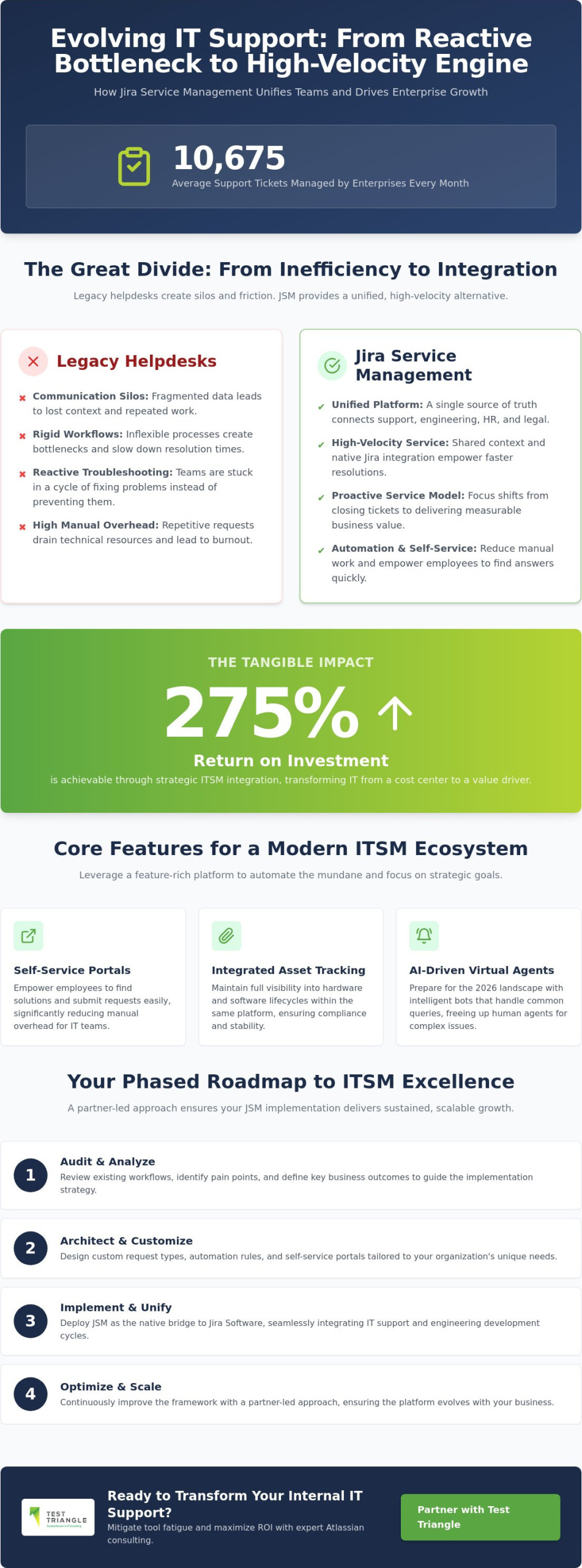
With the average enterprise now managing over 10,675 support tickets every month, the traditional separation between service desks and engineering teams has become an operational liability. You’ve likely felt the friction of communication silos and the mounting pressure of repetitive manual requests that drain your team’s technical resources. Implementing jira service management for internal it support offers a decisive shift from reactive troubleshooting to a state of high-velocity service delivery. By aligning your support workflows directly with Jira Software, you eliminate the visibility gaps that often stall asset lifecycles and resolution times.

This guide provides a comprehensive roadmap to architecting a unified, automated, and scalable internal ecosystem. We’ll explore how a 275% return on investment is achievable through strategic ITSM integration while examining the 2026 technical landscape, including AI-driven virtual agents and Forge API enhancements. You’ll discover the methodology behind transforming fragmented support into a disciplined, versatile, and globally-minded operation that prioritizes business outcomes over mere ticket counts. We’ll show you how to leverage this integrated framework to ensure your digital infrastructure remains a stable, high-performance asset for the long term.

Key Takeaways

  • Learn how to pivot from a traditional, reactive helpdesk to a proactive service model that aligns with enterprise-scale digital evolution and long-term operational stability.
  • Master the deployment of self-service portals and integrated asset tracking to significantly reduce manual overhead while maintaining full visibility into hardware and software lifecycles.
  • Understand how to unify your support and engineering teams by implementing jira service management for internal it support as a native bridge to existing Jira Software development cycles.
  • Follow a phased strategic roadmap designed to audit existing workflows and architect custom request types that maximize employee adoption and technical precision.
  • Discover how a partner-led approach to implementation mitigates tool fatigue and ensures your ITSM framework delivers sustained, scalable growth across complex, highly regulated environments.

The Strategic Evolution of Internal IT Support: Why Jira Service Management Matters

In the current enterprise environment, the role of internal IT has transitioned from a back-office utility to a central pillar of organizational resilience. Jira Service Management (JSM) serves as a comprehensive ITSM solution designed to orchestrate these complex interactions across a unified digital landscape. By leveraging the robust architecture of Jira (software), JSM allows organizations to move beyond the limitations of reactive helpdesks into a proactive, high-velocity model. This evolution is critical for managing the unique pressures of 2026, where hybrid work models and AI-driven workflows demand a platform that can seamlessly integrate IT, HR, and Legal departments into a singular service engine. Managing internal requests in 2026 requires more than just a digital logbook; it requires a system that understands the nuances of modern service delivery through stability, precision, and scalable growth.

Adopting jira service management for internal it support addresses the modern reality where support teams handle an average of 10,675 tickets monthly. Without a unified platform, these volumes lead to fragmentation, data loss, and employee burnout. Organizations that prioritize IT service management services find that consolidating their request management onto a single platform reduces technical debt and improves enterprise-wide productivity. This strategic shift ensures that IT is no longer a bottleneck but a catalyst for digital transformation, providing the peace of mind that comes from risk reduction and operational stability.

Understanding the High-Velocity Support Model

High-velocity service management represents the intersection of speed, quality, and deep team collaboration. Unlike traditional, tiered support structures that often create bottlenecks between levels, JSM empowers internal agents to resolve tickets faster through shared context. When support teams have immediate access to technical data and historical resolutions, they can address complex issues without unnecessary escalations. This model fosters a culture of continuous improvement where the focus shifts from simply closing tickets to delivering measurable business value. By empowering agents with integrated tools, the organization achieves a professional pace that mirrors the operational efficiency promised to stakeholders.

Why Legacy Helpdesks Fail Modern Internal Teams

Traditional helpdesks frequently succumb to systemic inefficiencies such as siloed data and rigid, inflexible workflows. These legacy systems often force teams into constant context switching between disparate support tools and development environments, which significantly degrades productivity. Rigid workflows in older systems fail to account for the speed at which modern dev teams operate. When jira service management for internal it support is implemented effectively, it eliminates these barriers by providing a native connection to the engineering toolchain. This integration ensures that information flows freely across the organization, preventing the data fragmentation that typically leads to slow resolution times and poor employee experiences. It acts as a steady hand in a fast-changing landscape, ensuring that human expertise and technical tools work in perfect harmony.

Optimizing Internal Workflows with Jira Service Management Core Features

To achieve the high-velocity engine described earlier, organizations must move beyond simple ticket logging and embrace a feature-rich ecosystem that prioritizes precision, productivity, and progress. Integrating jira service management for internal it support allows teams to automate the mundane and focus on the complex, transforming the service desk into a strategic asset. This transition is anchored in the broader framework of IT Service Management (ITSM), where the goal is to align technical delivery with specific business outcomes. Advanced SLAs empower internal teams to monitor performance with granular detail, ensuring that critical infrastructure issues are addressed before they impact organizational stability. Transitioning to conversational ticketing through Slack and Microsoft Teams meets employees where they already work, reducing the friction of request submission and accelerating the initial response phase.

Empowering Employees through Self-Service and Knowledge Bases

Modern service delivery relies on the seamless integration of Confluence to create a searchable, AI-driven internal help center. This setup allows the system to ‘deflect’ common queries by suggesting relevant articles as users type their requests, effectively resolving issues before they even reach an agent’s queue. In the 2026 landscape, AI-powered virtual agents can reduce ticket resolution times by as much as 75%, allowing your technical staff to focus on high-level digital transformation. As you scale, remember that self-service is not just a convenience; it is a strategic necessity for scaling internal IT without increasing headcount. This approach ensures that your team remains a lean, effective force capable of supporting a growing global enterprise.

Modern Asset Management for Internal Infrastructure

The Assets feature, formerly known as Insight, provides a sophisticated framework for tracking the entire lifecycle of internal company hardware and software. By linking these assets directly to support incidents, agents gain immediate visibility into the affected machine’s history, configuration, and dependencies, which leads to significantly faster triage and resolution. In 2026, this level of detail is essential for the growing trend of ‘sustainable IT,’ where precise tracking helps organizations reduce hardware waste and optimize resource allocation. This systematic approach to asset management provides the peace of mind that comes from knowing every piece of your digital infrastructure is accounted for and maintained with professional rigor. If you’re looking to refine your current asset strategy, it’s beneficial to speak with a strategic consultant who understands the nuances of the Atlassian ecosystem.

Bridging the Gap: Integrating IT Support with Engineering and DevOps

A common hesitation among IT leadership is the perception that jira service management for internal it support introduces unnecessary complexity for relatively straightforward internal needs. This perspective often overlooks the strategic value of an integrated ecosystem where support and development operate on a single source of truth. By utilizing a platform that natively bridges these functions, organizations replace fragmented communication with a disciplined, high-velocity workflow. This integration allows for a definitive “Shift Left” approach, where service desk insights inform engineering priorities early in the lifecycle, ultimately reducing the cost of remediation and enhancing the overall stability of the digital infrastructure. It is a transition from being a mere service provider to becoming a reliable long-term collaborator within the business.

The Synergy Between Jira Software and Service Management

Turning internal support tickets into actionable development tasks is a seamless process within the Atlassian stack. When an employee reports a recurring software glitch, the service agent can instantly create a linked issue in Jira Software, ensuring that the engineering team has the full context of the user’s experience without manual data entry. Bi-directional syncing ensures that as the developer moves the task through the sprint, the support agent is automatically updated, allowing for transparent communication with the internal stakeholder. This synergy underscores why Manual Testing in 2026: A Strategic Guide remains relevant; quality is not just a final check but a continuous effort that begins at the first point of internal contact and moves through the entire development cycle.

Accelerating Incident and Change Management

Managing complex infrastructure changes requires a level of precision that legacy systems simply cannot provide. JSM enables internal IT teams to implement automated change management workflows that include sophisticated risk assessment and deployment gating. By integrating directly with CI/CD tools, the platform can automatically flag high-risk changes, requiring manual approval only when specific thresholds are met, which significantly reduces internal system downtime. This level of technical rigor aligns perfectly with broader DevOps Consulting objectives, where the goal is to accelerate enterprise transformation through the combination of human expertise and technical tools. Utilizing jira service management for internal it support in this capacity transforms the service desk into a steady hand that guides organizational progress amidst a fast-changing technological landscape.

A Strategic Roadmap for Implementing JSM for Internal IT in 2026

Transitioning to a high-velocity service model requires more than a technical migration; it demands a structured, phased implementation that prioritizes long-term operational stability. A successful deployment of jira service management for internal it support begins with institutional maturity and a clear vision of the desired end-state. Organizations that skip the strategic planning phase often find themselves managing the same historical inefficiencies in a newer, more expensive environment. By following a disciplined roadmap, global enterprises ensure their digital infrastructure is managed with the expertise required to support large-scale technological evolution and systemic improvement.

Auditing and Mapping Internal Workflows

Mirroring existing, inefficient processes in a modern tool is a primary recipe for failure. Phase 1 of your roadmap must focus on a comprehensive audit of current support interactions to identify bottlenecks and redundant manual efforts. This discovery phase is where professional IT Service Management Services provide the most value, offering a steady hand to help teams deconstruct complex workflows and rebuild them for maximum velocity. By mapping these journeys before configuration, you ensure that the resulting platform is optimized for the speed and quality required in 2026. This process allows you to identify which repetitive internal requests are prime candidates for automation in later phases.

Configuring for the Employee Experience

Phase 2 involves shifting to an “internal customer” mindset to design portal groups that prioritize ease of use and intuitive navigation. The configuration of low-code forms allows IT teams to capture comprehensive data during the initial request, which reduces the need for back-and-forth communication and accelerates resolution times. The Employee Portal serves as the digital front door of the modern enterprise. By creating a unified, intuitive interface, you empower your workforce and foster a culture of self-sufficiency that reduces the overall burden on your technical staff. This approach ensures that technical managers and executive leadership both see the tangible benefits of a streamlined request process.

Once the foundation is set, Phase 3 focuses on implementing automation rules to handle repetitive internal tasks like access provisioning and hardware requests. Finally, Phase 4 establishes a continuous improvement cycle based on JSM reporting, where data-driven insights lead to systemic improvements and progress. This methodical rhythm ensures that your team remains a reliable collaborator in the company’s growth. If you are ready to begin your transformation with precision and confidence, it is time to consult with an implementation expert who can guide your team through each phase of this strategic evolution.

Jira Service Management for Internal IT Support: A 2026 Strategic Guide

Maximizing ROI with Professional Atlassian Consulting Services

While Jira Service Management is inherently intuitive, the transition for a global enterprise involves layers of complexity that often exceed the capacity of internal teams. A DIY approach frequently results in “tool fatigue,” where over-engineered workflows and fragmented data lead to low user adoption and stalled digital transformation. By choosing to implement jira service management for internal it support through a professional lens, organizations ensure that their technical infrastructure is not just a ticketing system, but a strategic engine for growth. This journey requires a steady hand to navigate the nuances of high-velocity service delivery while maintaining operational stability and security across the entire ecosystem.

Avoiding Common Implementation Pitfalls

The risks of a poorly executed rollout are substantial, ranging from over-engineered workflows that frustrate agents to data migration errors that obscure historical insights. Many organizations underestimate the critical role of change management, failing to realize that a tool is only as effective as the people who use it. Utilizing expert Atlassian Implementation Services allows you to mitigate these risks through a disciplined methodology that prioritizes clarity and comprehensive detail. Our consultants focus on aligning technical execution with your specific business outcomes, ensuring that the platform scales alongside your organizational needs without introducing unnecessary friction or technical debt. This approach provides the stability, precision, and progress necessary for a successful transition.

The Test Triangle Advantage: Strategic Partnership for Scalable Growth

A professional partnership extends far beyond the initial deployment phase. Maintaining a complex Atlassian environment requires ongoing optimization, governance, and technical rigor to ensure sustained performance in a fast-changing landscape. By leveraging Managed Outsourcing Services, enterprises benefit from the peace of mind that comes from proactive risk reduction and continuous systemic improvement. Test Triangle acts as a reliable long-term collaborator, bridging the gap between technical managers and executive leadership through data-driven insights and institutional maturity. We empower your team to focus on core innovation while we manage the daily complexities of your ITSM framework.

Achieving true high-velocity service is a journey of evolution rather than a one-time event. It requires a commitment to quality and a versatile approach to service delivery that can adapt to new technical challenges as they arise. When you partner with Test Triangle for your Jira Service Management journey, you gain more than a service provider; you gain a strategic visionary dedicated to your long-term success. We invite you to transform your internal IT operations into a powerhouse of efficiency and resilience through our proven expertise and human-centric technical tools.

Architecting a High-Velocity Future for Internal Support

Achieving a high-velocity service engine requires a disciplined alignment of people, processes, and platforms that transforms the traditional support desk into a strategic business asset. By implementing jira service management for internal it support, your organization can finally bridge the gap between reactive troubleshooting and proactive engineering. This integrated framework not only accelerates resolution times through advanced automation but also provides the institutional maturity needed to manage complex asset lifecycles and cross-departmental requests with stability and precision.

As an Atlassian Gold Solution Partner with a global presence across Europe, North America, and Asia, Test Triangle understands the technical rigor required for highly regulated industries like Finance and Pharma. We act as a reliable long-term collaborator to ensure your digital transformation remains scalable, secure, and aligned with executive business goals. Modernize your internal IT with Test Triangle’s Atlassian Consulting and empower your workforce with a platform built for the complexities of 2026. Your journey toward operational excellence is within reach.

Frequently Asked Questions

Is Jira Service Management suitable for small internal IT teams?

Jira Service Management is an ideal solution for small teams because it offers a free tier for up to three agents while providing the same enterprise-grade automation found in larger deployments. This scalability allows lean departments to maintain high-velocity support and professional service portals without the burden of excessive infrastructure costs. As your organization expands, the platform grows with you, ensuring a stable, precise, and scalable service engine.

How does JSM integrate with Slack and Microsoft Teams for internal support?

The platform utilizes conversational ticketing to transform chat messages into actionable support requests directly within the agent’s queue. By meeting employees in their existing communication channels, internal IT reduces the friction of ticket submission and accelerates the initial response phase. Bi-directional syncing ensures that all updates made in Slack or Teams are reflected in the central ticket, maintaining a single source of truth across the enterprise.

What is the difference between Jira Service Desk and Jira Service Management?

Jira Service Management is the comprehensive successor to Jira Service Desk, offering significantly expanded capabilities in incident, change, and asset management. While the older Service Desk focused primarily on request fulfillment, JSM provides a unified platform that bridges the gap between development and operations teams. This evolution enables organizations to manage complex digital infrastructures with greater visibility and technical rigor.

Can we use Jira Service Management for non-IT departments like HR or Finance?

JSM is specifically designed for Enterprise Service Management, allowing departments like HR, Finance, and Legal to leverage the same high-velocity framework for their internal requests. Centralizing these functions creates a unified digital front door for employees, which improves the user experience and provides executive leadership with comprehensive visibility into service performance. This approach fosters organizational progress through the combination of human expertise and technical tools.

How does JSM help with internal asset management and tracking?

The Assets feature within JSM provides a sophisticated database for tracking the entire lifecycle of hardware and software across your digital landscape. By linking these assets directly to support incidents, agents gain immediate context regarding a user’s device history and configuration, which leads to faster resolution times. Implementing jira service management for internal it support in this way ensures that your technical resources are managed with professional discipline and long-term stability.

What are the common challenges when migrating to Jira Service Management Cloud?

Organizations often face hurdles related to complex data mapping, app compatibility, and the need to maintain security compliance in highly regulated industries. A primary risk is mirroring inefficient legacy processes in the new cloud environment, which can lead to low adoption and technical debt. Partnering with a strategic visionary for your migration helps mitigate these risks through a structured audit and a disciplined transition methodology.

How long does a typical JSM implementation for internal IT take?

A standard implementation can range from several weeks for basic setups to several months for complex enterprise deployments involving multiple internal departments. The specific timeline is influenced by the volume of data migration, the complexity of custom automation rules, and the depth of integration with Jira Software. Following a phased roadmap allows teams to achieve immediate business value while building toward a more comprehensive service ecosystem.

Does Jira Service Management support ITIL 4 practices for internal teams?

JSM is PinkVerify certified for ITIL 4, providing native support for critical practices such as incident, problem, change, and service request management. This certification ensures that internal teams can implement recognized global benchmarks with confidence and technical precision. Using jira service management for internal it support allows your team to adopt these best practices while maintaining the flexibility to adapt workflows to your unique operational requirements.

Paul Guy

Article by

Paul Guy

Paul serves as the Marketing Director at Test Triangle, where he leads a global team in driving growth through strategic B2B marketing and brand communications. With a strong emphasis on measurable outcomes and sustainable performance, he plays a pivotal role in aligning marketing functions to enhance customer engagement and accelerate business impact. Under his leadership, marketing initiatives have consistently delivered significant returns on investment, elevated brand visibility, and strengthened the company's presence across key markets.


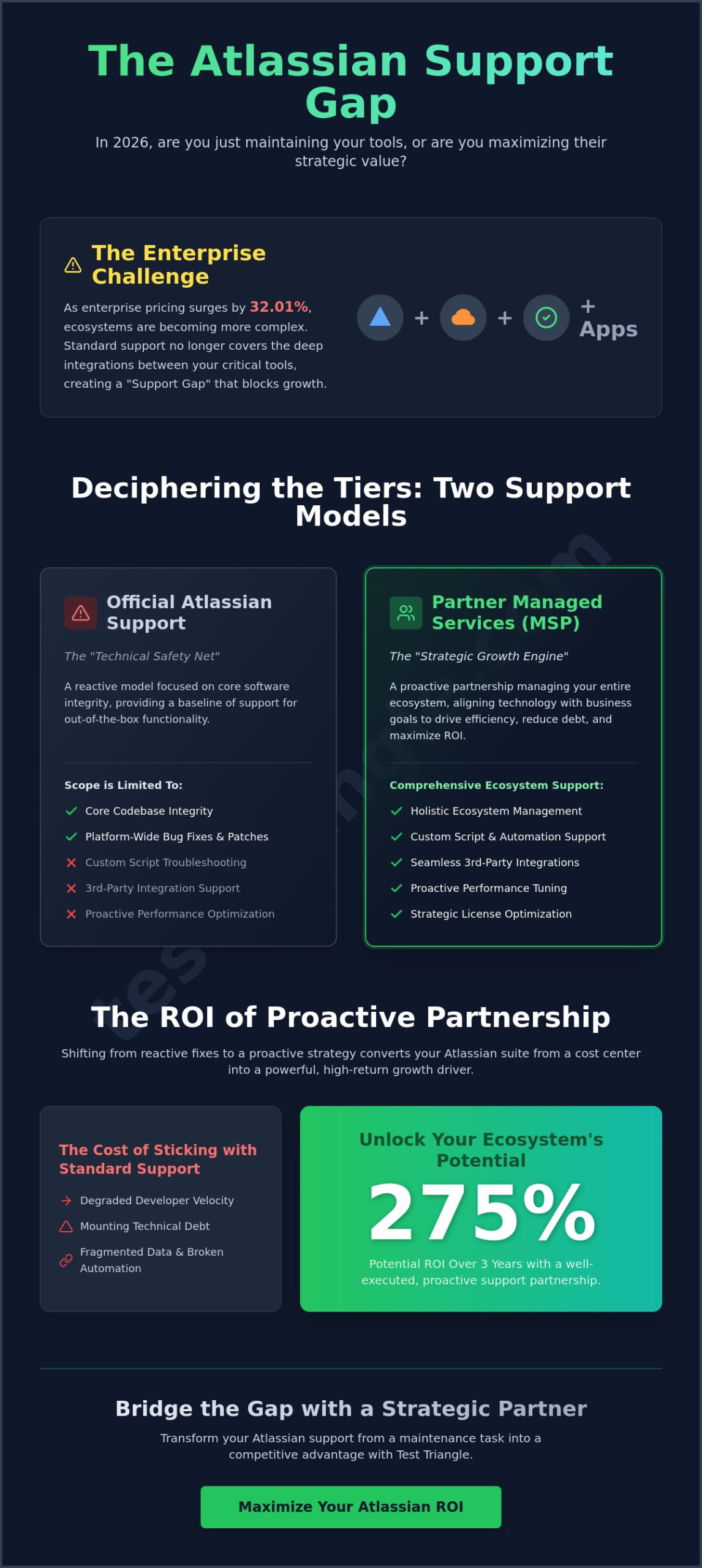
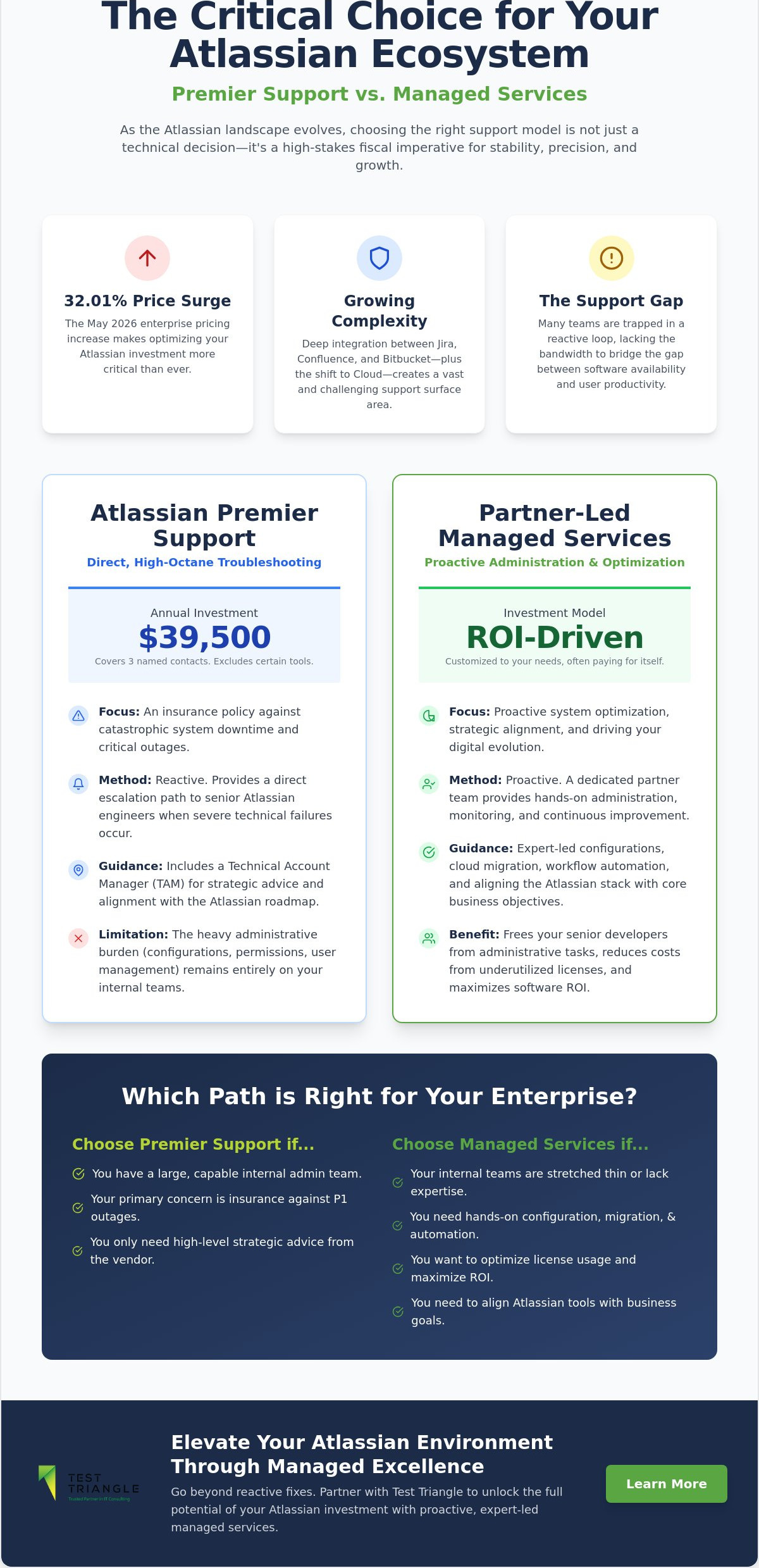
Is your organization paying for the rapid resolution of problems that should never have occurred in the first place? While the $39,500 annual investment for Atlassian Premier Support provides a direct line to senior engineers for critical outages, it often leaves the heavy administrative burden on your internal teams. Evaluating the choice between atlassian premier support vs managed services has become a high-stakes fiscal decision, especially following the 32.01% surge in enterprise pricing seen in May 2026. You need a solution that doesn’t just react to failures but actively drives your digital evolution.

We understand that managing complex cloud migrations and underutilized licenses can drain your resources and stall your strategic roadmap. This guide examines the critical differences between direct vendor troubleshooting and the proactive, partner-led oversight required to truly master your ecosystem. You’ll gain a clear framework for reducing system downtime, securing expert-led configurations, and ensuring a measurable return on your software investment through stability, precision, and growth.

Key Takeaways

  • Understand why the 2026 Atlassian ecosystem requires more than simple ticket resolution to maintain operational stability in high-pressure corporate environments.
  • Analyze the strategic distinction of atlassian premier support vs managed services to determine whether your enterprise needs reactive vendor troubleshooting or proactive system optimization.
  • Identify the internal resource gaps that necessitate a shift from basic administrative maintenance to a comprehensive, partner-led management model.
  • Discover how a hybrid support framework can maximize platform availability while simultaneously driving digital transformation and workflow efficiency.
  • Learn to align your Atlassian roadmap with broader business objectives by leveraging specialized expertise in cloud migration and cross-platform integration.

The Atlassian ecosystem has transformed from a collection of standalone productivity tools into the central nervous system of the modern enterprise. As we progress through 2026, the traditional model of reactive, ticket-based assistance has become insufficient for global organizations operating at scale. Relying on the “Standard” support tier often leaves teams stranded during complex outages or configuration failures, as these basic levels are designed for minor troubleshooting rather than the intricate demands of a distributed, high-velocity infrastructure. The decision-making process for leadership now centers on a fundamental choice between atlassian premier support vs managed services, representing a shift from simply maintaining software to strategically empowering the business.

Internal administration without external expertise carries significant hidden costs that often go unnoticed until a system audit occurs. These include the opportunity cost of diversion, where senior developers are frequently pulled away from core product builds to manage Jira schemes or permission hierarchies. It also includes the risk of underutilized licenses, which can account for a substantial portion of the average annual enterprise spend on Atlassian products. Choosing between atlassian premier support vs managed services is therefore not just a technical preference but a financial imperative to protect software ROI and operational continuity.

The Complexity of Modern Atlassian Stacks

Modern environments are no longer siloed. The deep integration between Jira, Confluence, and Bitbucket creates a vast support surface area where a single misconfiguration can ripple across the entire development lifecycle. With the accelerating shift to Atlassian Cloud, maintenance requirements have pivoted from server patching to sophisticated identity management, API governance, and cross-platform orchestration. To thrive in this environment, enterprises require a foundation of stability, precision, and scalability. Without a dedicated Managed service provider (MSP) to oversee these connections, the internal administrative burden often leads to technical debt that slows down innovation and increases operational risk.

Identifying the Support Gap

Organizations often realize they have outgrown standard support when internal administrators spend more time on user permissions than on high-value workflow automation. There is a clear distinction between technical troubleshooting, which focuses on why a feature isn’t working, and strategic business alignment, which ensures the toolset actually drives revenue. Many teams find themselves stuck in a loop of reactive fixes, lacking the bandwidth to implement a comprehensive Atlassian implementation strategy. The support gap is the distance between software availability and user productivity.

Atlassian Premier Support: Direct High-Octane Troubleshooting

Atlassian Premier Support serves as the definitive direct vendor lifeline for organizations that require immediate, high-priority access to the engineers who build the software. For an annual investment of $39,500, this tier provides coverage for three named contacts across the primary product suite, excluding specific tools like Opsgenie or Jira Align which require separate agreements. It’s a specialized service designed to protect platform availability by offering a direct escalation path for the most severe technical failures. When weighing atlassian premier support vs managed services, it’s vital to recognize that Premier Support is primarily an insurance policy against catastrophic system downtime rather than a tool for day-to-day administrative relief.

The relationship is often anchored by a Technical Account Manager (TAM) who acts as a strategic advisor within the Atlassian organization. This individual helps align your technical requirements with the product roadmap, ensuring that your enterprise isn’t blindsided by major architectural shifts. However, while the TAM provides high-level guidance, they don’t function as a hands-on administrator. Incorporating a robust service delivery model requires understanding that vendor support is fundamentally a reactive mechanism focused on the health of the core application, not the specific nuances of your business processes.

Core Benefits of the Premier Tier

The primary value proposition of the Premier tier lies in its financially backed Service Level Agreements (SLAs). For critical (L1) issues, Atlassian guarantees an initial response time of one hour, providing peace of mind during high-stakes incidents. You’re not just getting a faster ticket response; you’re gaining access to senior support engineers who understand the platform’s source code and can navigate complex bug fixes that standard support teams might miss. Additionally, the vendor provides periodic proactive health checks and system performance analysis to identify potential bottlenecks before they lead to a total system failure.

Where Premier Support Ends

Despite its technical depth, Premier Support maintains a strict “Hands-Off” policy regarding your internal configurations. Atlassian engineers will troubleshoot why a workflow has crashed, but they won’t build a new custom workflow for your HR department or manage your complex user permission schemes. Furthermore, this tier explicitly excludes troubleshooting for third-party Marketplace apps, which can often add up to 150% to the base cost of your software and introduce significant stability risks. If you’re struggling to bridge the gap between vendor response and internal execution, you can consult with our strategic advisors to explore a more comprehensive approach. Ultimately, Premier Support fixes the platform, but it doesn’t run your business operations.

Atlassian Managed Services: Proactive Administration and Optimization

While Premier Support provides a vital technical safety net for platform-level incidents, Atlassian Managed Services function as a strategic engine for continuous organizational growth. This model represents a comprehensive, hands-on extension of your internal IT department, moving beyond the limitations of reactive troubleshooting to embrace proactive system evolution. When evaluating atlassian premier support vs managed services, the primary distinction lies in the scope of execution. Managed services don’t just ensure the software is running; they ensure it’s optimized to meet the specific, shifting demands of your global enterprise. By integrating a dedicated team into your operational structure, your organization gains the ability to transform raw technical capacity into streamlined business value through vision, velocity, and versatility.

The operational philosophy of a managed model shifts the focus from ticket-based response times to business-centric outcomes. Instead of measuring success by how quickly a bug is acknowledged, success is defined by system health, user adoption rates, and the seamless automation of complex cross-departmental workflows. This partnership provides the steady hand required to manage the daily administrative burden that often overwhelms internal teams. It allows your high-value talent to focus on core innovation while experts handle the intricate details of your Atlassian environment, ensuring that your digital infrastructure remains a competitive advantage rather than a maintenance bottleneck.

The Strategic Advantage of a Managed Partner

A managed partner delivers end-to-end administration that encompasses everything from granular user management and permission schemes to the design of sophisticated custom workflows. This level of involvement ensures that your instance remains clean, performant, and scalable as your organization expands. Beyond simple maintenance, these services provide robust governance and compliance frameworks, ensuring that your data handling and access controls meet the rigorous standards of highly regulated industries. For organizations initiating new projects, leveraging specialized Atlassian Implementation Services within a managed framework ensures that the foundation of your ecosystem is built correctly from day one.

Beyond Troubleshooting: Proactive Growth

Managed services drive proactive growth through regular system audits and targeted user training sessions that identify and eliminate operational friction. Unlike direct vendor support, a managed partner actively vets, installs, and maintains critical Marketplace plugins, mitigating the risks associated with third-party app sprawl. This holistic oversight is particularly critical for organizations pursuing broader DevOps Consulting initiatives, where the seamless integration of Jira and Bitbucket into the CI/CD pipeline is essential for maintaining development speed. By choosing a partner-led approach, you secure a reliable long-term collaborator dedicated to the ongoing optimization of your entire software delivery lifecycle.

The Critical Choice: Direct Vendor Support vs. Strategic Partner Managed Services

Determining the optimal path between atlassian premier support vs managed services requires a candid assessment of your organization’s internal maturity and long-term technical objectives. While the $39,500 annual investment for Premier Support secures a high-priority escalation path to Atlassian’s senior engineers, it assumes your team can handle everything short of a platform-level bug. The strategic divide often rests on whether you possess a dedicated “Atlassian Champion” in-house. If your internal administrators are already stretched thin by daily user requests and complex scheme clean-ups, adding a vendor-side escalation point won’t solve the underlying productivity bottleneck. You must decide if you’re paying for a safety net or a growth engine.

For many global enterprises, the most effective strategy is a “Hybrid” approach that leverages the strengths of both models. In this scenario, Premier Support provides the technical insurance needed for massive-scale Cloud or Data Center deployments, while a strategic partner handles the proactive administration, workflow automation, and cross-platform integrations. This combination ensures that the platform remains stable at the infrastructure level while the business logic continues to evolve at the pace of your market. A cost-benefit analysis should weigh the fixed license-based support fees against the flexible, outcome-based subscriptions of a managed partner, focusing on the total cost of ownership rather than just the initial price tag.

Executive Decision Matrix:

  • Internal Expertise: If your team lacks certified administrators, managed services provide immediate institutional maturity.
  • Operational Focus: Choose Premier for reactive troubleshooting; choose managed services for proactive system optimization and roadmapping.
  • Integration Complexity: Organizations with deep ServiceNow or AWS integrations require the hands-on expertise of a partner-led model.
  • Scalability Requirements: Managed services allow for rapid scaling without the overhead of permanent internal hires.

When to Choose Atlassian Premier Support

This tier is best suited for organizations that already maintain a highly skilled internal IT department. If your team is capable of designing complex Jira workflows and only requires direct vendor intervention for platform-level performance analysis or source code issues, the Premier tier is an ideal fit. It focuses on the core pillars of stability, precision, and scalability at the infrastructure level, ensuring that your massive-scale deployments meet strict uptime requirements without the need for external administrative help.

When to Choose Managed Services

Managed services are the superior choice for teams undergoing rapid digital transformation or those migrating to Atlassian Cloud. If your business requires sophisticated workflow automation, complex ITSM migrations, or simply lacks a dedicated administrator, a partner-led model offers the necessary versatility. For organizations needing to bridge a temporary talent gap, utilizing Managed Outsourcing Services provides a flexible staffing solution that scales alongside your project demands. To determine which model aligns with your 2026 roadmap, you can schedule a strategic consultation with our team today.

Atlassian Premier Support vs Managed Services: A Strategic Decision Guide for 2026

Test Triangle: Elevating Atlassian Environments Through Managed Excellence

Test Triangle positions itself as the strategic visionary for enterprises navigating the complexities of modern digital infrastructure. Our unique methodology transcends basic troubleshooting by combining deep technical rigor with a high-level business vision, ensuring that your software tools are perfectly aligned with your commercial objectives. When navigating the nuances of atlassian premier support vs managed services, the value of a steady hand cannot be overstated. We provide the expertise required to manage high-stakes Atlassian Cloud migrations and complex ServiceNow Implementation projects, bridging the gap between disparate platforms to create a unified, high-performance ecosystem.

Engagement models within our framework are designed with institutional maturity in mind, offering the flexibility that global enterprises demand. Whether your organization requires project-based milestones for a specific digital transformation or a recurring monthly subscription for ongoing administrative excellence, we adapt our delivery to match your internal cadence. Unlike the centralized, often anonymous queues of direct vendor support, our global presence ensures superior regional attention. This localized focus allows us to act as a reliable long-term collaborator, providing the peace of mind that comes from knowing your infrastructure is managed by experts who understand your specific market challenges.

Our Atlassian Consulting Framework

The foundation of our partnership begins with a methodical Discovery and Advisory phase. During this stage, we work to align your existing Atlassian stack with long-term corporate roadmaps, identifying areas where configuration improvements can drive immediate efficiency gains. Our Solution Design and Build phase then crafts bespoke workflows tailored to the unique regulatory and operational requirements of industries such as Finance, Healthcare, and Retail. For organizations seeking localized strategic support, our Atlassian Consulting Services Dublin team provides the proximity and platform expertise needed to accelerate your digital maturity.

Achieving Operational Stability

Operational stability is achieved through a combination of human expertise and disciplined technical tools. Our managed services are specifically engineered to reduce risk and empower your internal teams to lead large-scale technological evolution without being bogged down by administrative debt. We provide dedicated helpdesk support under robust Service Level Agreements, ensuring that your users receive the expert-led configuration and troubleshooting they need to remain productive. This proactive oversight doesn’t just fix issues; it prevents them, allowing your leadership to maintain a composed, solution-oriented focus on long-term success. By choosing a partner-led model, you secure the stability, precision, and scalable growth required to thrive in a fast-changing landscape. Contact Test Triangle for a strategic Atlassian audit to begin optimizing your software spend and operational efficiency today.

Securing Your Strategic Atlassian Roadmap for 2026

The evolution of the enterprise digital landscape demands a shift from reactive troubleshooting to proactive orchestration. Success in the coming year requires more than just keeping the lights on; it necessitates a sophisticated alignment of platform health and business agility. By understanding the functional boundaries of atlassian premier support vs managed services, leadership can move beyond simple ticket resolution toward a model of continuous optimization. Our methodology ensures that your Atlassian ecosystem remains a robust foundation for progress rather than an administrative burden, providing the stability, precision, and scalability your organization deserves.

Leveraging our status as a Global Atlassian Partner, we deliver strategic expertise in Finance and Pharma alongside comprehensive ITSM and DevOps integration. We act as your reliable long-term collaborator, providing the steady hand required to navigate complex migrations and architectural shifts with total confidence. It’s time to transform your software investment into a high-performance engine for growth and innovation.

Optimise your Atlassian stack with Test Triangle’s Managed Services

Empower your teams to achieve new heights of productivity and secure your digital future with a partner dedicated to your long-term success.

Frequently Asked Questions

What is the main difference between Atlassian Premier Support and Managed Services?

The fundamental distinction lies in the nature of the engagement: Premier Support is a reactive technical lifeline provided by the vendor for platform-level issues, whereas Managed Services represent a proactive, hands-on extension of your internal team. While the vendor focuses on the health of the core software, a managed partner oversees daily configurations, user management, and strategic optimization. This ensures your ecosystem isn’t just running, but actively driving business value.

Can I have both Atlassian Premier Support and a Managed Services partner?

Organizations often adopt a hybrid model to maximize both platform stability and operational efficiency. In this scenario, you utilize Atlassian Premier Support as a high-priority escalation point for critical vendor-side bugs while your Managed Services partner handles the intricate execution of your internal workflows and integrations. This dual-layered strategy provides a comprehensive safety net for global enterprises with zero tolerance for system downtime or administrative bottlenecks.

Does Atlassian Premier Support include help with Jira workflow configuration?

No, Atlassian Premier Support does not include hands-on assistance with internal configurations like Jira workflows, permission schemes, or project setups. The vendor’s engineers are strictly focused on troubleshooting the underlying platform and resolving software defects rather than building bespoke business logic. To achieve tailored workflow design that meets your specific operational needs, you require the strategic involvement and practical execution provided by a managed services provider.

How much do Atlassian Managed Services typically cost compared to Premier Support?

Pricing structures for atlassian premier support vs managed services follow different models based on the scope of the engagement. Premier Support involves a fixed annual fee that provides standardized vendor access for a limited number of named contacts. Conversely, Managed Services pricing is customized based on the complexity of your ecosystem, the volume of administrative tasks, and your required service levels. This tailored approach ensures your investment aligns directly with the strategic expertise your business requires.

Is Managed Services better for Atlassian Cloud or Data Center?

Managed Services provide essential value across both Cloud and Data Center deployments, though the operational focus shifts to address the unique requirements of each environment. For Cloud instances, the emphasis remains on identity governance, API management, and cross-platform orchestration. For Data Center, the priority often centers on infrastructure health, performance tuning, and complex version upgrades. In both cases, a partner-led model ensures your environment remains performant and scalable as your organization evolves.

What happens if my third-party Marketplace apps break under Premier Support?

Atlassian Premier Support specifically excludes troubleshooting and maintenance for third-party Marketplace applications. If a critical plugin fails or causes system instability, the vendor will typically direct you to the individual app developer for assistance. A Managed Services partner takes full ownership of your entire stack, vetting and maintaining these integrations to ensure they don’t compromise your system’s overall stability. This proactive oversight reduces the risk of third-party software conflicts.

How does Test Triangle handle Atlassian Cloud migrations within its managed services?

We manage the entire cloud migration lifecycle through a disciplined framework that prioritizes data integrity and minimal user disruption. Our approach begins with a comprehensive assessment of your existing instance, followed by strategic cleanup and mapping to ensure a seamless transition to the Cloud. By acting as a steady hand throughout the process, we mitigate the risks associated with complex migrations while ensuring your new environment is optimized for immediate organizational productivity.

Do Managed Services include user training and onboarding?

Yes, comprehensive user training and structured onboarding are core components of our managed offerings. We believe that technological evolution is only successful when paired with high levels of user adoption and proficiency. By providing targeted training sessions and clear documentation, we empower your teams to fully utilize the advanced features of your Atlassian stack. This commitment to human expertise ensures that your organization realizes the maximum return on its software investment through improved workflow efficiency.

Paul Guy

Article by

Paul Guy

Paul serves as the Marketing Director at Test Triangle, where he leads a global team in driving growth through strategic B2B marketing and brand communications. With a strong emphasis on measurable outcomes and sustainable performance, he plays a pivotal role in aligning marketing functions to enhance customer engagement and accelerate business impact. Under his leadership, marketing initiatives have consistently delivered significant returns on investment, elevated brand visibility, and strengthened the company's presence across key markets.

Why do most enterprise leaders find their ServiceNow budgets ballooning by nearly double the initial estimate within the first eighteen months? It’s because the hidden costs of servicenow implementation aren’t just minor oversights; they’re the predictable consequences of treating a massive architectural shift as a simple software purchase. You likely already understand that the Now Platform is a cornerstone of digital evolution, yet the reality of opaque licensing and complex legacy integrations often creates a significant gap between expected value and actual spend.

We’re here to bridge that gap by uncovering the invisible financial traps and operational overheads that frequently derail even the most ambitious digital transformations. This guide delivers a transparent TCO framework designed to stabilize your budget and ensure your 2026 deployment remains strategically aligned with your broader business goals. We’ll explore how a disciplined approach to data management and training can transform potential overhead into predictable progress, securing the high ROI your organization demands while avoiding the common integration failures that stall momentum. By focusing on stability, precision, and growth, you can move from the “Zurich” release through the upcoming “Australia” update with total financial confidence.

Key Takeaways

  • Identify the structural drivers behind the 40-60% budget overruns common in enterprise deployments by navigating the complex ServiceNow “Custom Quote Maze.”
  • Mitigate the hidden costs of servicenow implementation by avoiding excessive architectural debt and the subsequent “upgrade tax” that restricts access to new platform features.
  • Calculate the true operational impact of internal opportunity costs, ensuring that the diversion of your subject matter experts does not compromise core business stability.
  • Implement a rigorous quality assurance framework and pre-implementation audit to identify technical hurdles before they escalate into expensive post-launch fixes.
  • Adopt a phased rollout methodology that balances out-of-the-box functionality with essential business customization to ensure a predictable and scalable total cost of ownership.

The ServiceNow Implementation Mirage: Why Initial Quotes Are Just the Tip of the Iceberg

The initial engagement with the ServiceNow platform often begins with a sense of optimism that’s quickly tempered by the reality of the “Custom Quote Maze.” Since the company doesn’t publish a standard rate card, every enterprise enters a highly negotiated environment where the final contract reflects a unique combination of user count, selected modules, and organizational scale. This lack of transparency often masks the hidden costs of servicenow implementation, leading many executives to mistake the licensing fee for the total investment. It’s a strategic oversight that can compromise long-term operational stability.

Industry data suggests that most enterprises underestimate their initial budget by 40% to 60%. This discrepancy occurs because the quote focuses on software acquisition, failing to account for the structural remediation required to make the platform functional. Think of it as the “Renovation Analogy.” Just as a contractor can’t know the state of a building’s internal wiring until the walls are opened, an implementation partner can’t fully assess the complexity of your legacy data until the project begins. If your IT foundation is fragmented, the effort to align it with ServiceNow’s architecture can easily double your projected timelines. Precision, predictability, and performance require looking far beyond the initial sales proposal.

The Gap Between Licensing and Functional Reality

A common pitfall is viewing a ServiceNow license as a finished solution rather than a sophisticated entry ticket. While the “Out-of-the-Box” (OOTB) promise is a powerful marketing narrative, it’s often a financial trap for organizations with unique regulatory requirements or complex workflows. Turning on a module is a technical task; configuring it to mirror your specific business logic requires deep strategic alignment. Without this alignment, the hidden costs of servicenow implementation surface through endless “fix-it” cycles that occur after the initial launch. True platform readiness involves bridging the gap between what the software can do and what your specific business needs it to do.

The 2026 Pricing Landscape: Fulfillers vs. Requesters

Within the 2026 fiscal environment, the distinction between Fulfiller and Requester licenses has become a critical focal point for budget stability. Fulfiller licenses, particularly for ITSM Professional with AI capabilities, carry a premium that can exceed $160 per user per month. Misclassifying users or failing to account for the growth of your “App Engine” footprint can lead to massive annual overages. To ensure a predictable roadmap, organizations must partner with experts who provide ServiceNow consulting services tailored to long-term scalability. This approach ensures that user-type classification remains accurate as your digital infrastructure evolves, providing the peace of mind that comes from financial precision and systemic improvement.

Architectural Debt: The Long-Term Cost of Over-Customization

While the initial deployment of the ServiceNow platform often focuses on immediate functional gains, the long-term financial burden of “architectural debt” represents one of the most significant hidden costs of servicenow implementation. This debt accumulates when organizations prioritize short-term convenience over platform standards, leading to a complex web of custom scripts and modified workflows. According to research on IT projects, large-scale software initiatives often exceed budgets not because of the initial build, but due to the unforeseen complexity of maintaining non-standard environments. In the ServiceNow ecosystem, this manifests as the “Upgrade Tax,” where custom code prevents your organization from seamlessly transitioning between releases like Zurich and Australia, effectively locking you out of the very innovation you’re paying for.

Integration complexity adds another layer to this financial iceberg. Connecting ServiceNow to high-scale environments like AWS or legacy ERP systems requires a disciplined approach to data throughput and API management. If your team builds custom point-to-point integrations instead of utilizing the native IntegrationHub, you aren’t just paying for the initial development. You’re committing to a permanent maintenance cycle where every third-party update risks breaking your connection. Furthermore, the cost of migrating “dirty data” into a clean ServiceNow instance is a major budget driver. Industry benchmarks suggest that organizations should allocate 20% to 30% of their total implementation budget purely for data migration and cleansing activities to avoid expensive post-launch remediation.

The High Price of Deviating from the OOTB Path

Every line of specialized script represents a future maintenance liability. To protect your return on investment, technical debt must be treated as a transparent line item in your initial budget rather than an afterthought. Strategic leaders prioritize stability, precision, and progress by enforcing a “standard-first” policy that minimizes deviations from out-of-the-box (OOTB) functionality. When customization is unavoidable, it must be documented with the same rigor applied to core business logic to ensure that future upgrades don’t become multi-month rescue missions. If you’re concerned about how your current customizations might impact future scalability, you may want to consult with a strategic partner to audit your roadmap.

Integration Hub and Third-Party API Costs

Modern ServiceNow deployments increasingly rely on automated workflows that connect to external clouds. However, many executives are surprised by transaction-based costs associated with IntegrationHub spokes and automated “pro” features. When scaling AWS Cloud Migration initiatives, the financial impact of API rate limits and data throughput charges can escalate quickly. Managing these costs requires a sophisticated understanding of how data flows between platforms. By balancing the use of IntegrationHub with a clear strategy for high-volume data exchanges, you can avoid the throughput charges that often quietly double the operational overhead of a connected enterprise.

The Operational Iceberg: Personnel, Training, and Quality Assurance

Beyond the technical architecture and licensing fees, the human element represents a massive portion of the hidden costs of servicenow implementation. Executives often overlook the “invisible” salary spend associated with their subject matter experts (SMEs). When you divert your top process owners from their core responsibilities to guide a deployment, the resulting productivity dip is a direct, yet unrecorded, expense. This internal opportunity cost is compounded by a specialized talent gap; industry professionals report that hiring dedicated ServiceNow developers often requires a 30% premium over standard IT roles due to the platform’s unique niche and the high demand for certified expertise.

The “QA Deficit” is another significant financial trap that emerges when organizations treat testing as a perfunctory final step rather than a strategic safeguard. Skipping rigorous validation leads to “post-launch shock,” where remediating a bug in a live environment can cost five to ten times more than fixing it during the development phase. Effective change management is equally vital; without it, employee resistance leads to platform underutilization. You don’t want to pay for a high-performance engine only to have your team use it like a basic spreadsheet. Success requires a disciplined focus on order, oversight, and optimization.

The Critical Role of Software and Digital Assurance

Rigorous quality assurance is the most effective way to protect your digital investment from unforeseen operational overhead. While automated tools are powerful, Manual Testing remains essential for validating complex ServiceNow workflows that involve nuanced human decision-making. By leveraging Software Test Automation Services, your organization can create a repeatable regression suite that reduces long-term maintenance spend. This “Shift Left” approach ensures that quality is baked into the methodology, preventing the architectural flaws that often derail 2026 deployment timelines.

Training and Platform Governance

Continuous learning is a mandatory operational expense, not a one-time workshop. As ServiceNow moves from the Zurich release toward Australia, your team must stay updated on new AI-driven decision intelligence and agentic capabilities to maintain peak efficiency. Establishing a Center of Excellence (CoE) is a proven strategy for preventing platform sprawl and the accumulation of “Zombie Modules”—those expensive, licensed features that sit idle because no one knows how to govern them. Strategic alignment between platform capabilities and business goals ensures that every dollar spent on training translates into tangible, scalable growth.

The Hidden Costs of ServiceNow Implementation: A Strategic Executive Guide for 2026

Strategic Mitigation: Auditing Your 2026 Implementation Roadmap

Mitigating financial risk requires a disciplined transition from reactive troubleshooting to proactive platform governance. A comprehensive pre-implementation audit serves as the diagnostic foundation, identifying the hidden costs of servicenow implementation before they manifest as significant budget overruns. This audit should scrutinize your existing data architecture and process maturity to determine whether a “Phased Rollout” or a “Big Bang” approach better suits your organizational risk profile. While a Big Bang deployment promises immediate consolidation, it frequently results in higher post-launch remediation costs. Conversely, a phased approach provides the flexibility to refine workflows based on real-world usage, ensuring that each milestone delivers stability, precision, and performance.

As we move through 2026, new financial variables have entered the landscape, specifically regarding AI compute credits and ESG reporting modules. The “Zurich” and upcoming “Australia” releases emphasize agentic AI and autonomous service management, which rely on a credit-based consumption model rather than traditional flat-fee licensing. Failing to forecast the volume of AI-driven transactions can lead to unexpected mid-quarter invoices. Furthermore, the rising demand for Environmental, Social, and Governance (ESG) transparency means that organizations must budget for specialized modules that track sustainability metrics across the digital supply chain. These emerging drivers represent the next frontier of total cost of ownership (TCO) management.

The Value of Managed Outsourcing

Comparing the expense of internal hiring against Managed Outsourcing Services is a critical step in stabilizing your post-implementation burn rate. Maintaining a full-time, in-house team of ServiceNow architects is often 30% more expensive than standard IT staffing, making a structured support model more financially viable for many global enterprises. By utilizing predictable Managed Service Provider Subscription Fees, you can eliminate the “emergency consulting” fees that occur when internal resources are overwhelmed by platform upgrades or complex integration failures. This approach positions your partner as a reliable long-term collaborator invested in your operational stability.

Forecasting for 2026 and Beyond

Strategic budget planning must account for ServiceNow’s biannual upgrade cycles, which require dedicated windows for testing and validation. The integration of Generative AI, specifically through “Now Assist,” into existing workflows necessitates a clear understanding of data throughput and compute requirements. As your ServiceNow footprint expands into multi-cloud governance, the complexity of managing cross-platform security and compliance will grow. Developing a three-year roadmap that anticipates these shifts ensures that your platform remains a driver of systemic improvement rather than a source of financial friction. To ensure your 2026 roadmap is optimized for both performance and cost, you should schedule a strategic implementation audit with our expert team.

Partnering for Predictability: The Test Triangle Approach

Achieving a successful deployment requires more than technical proficiency; it demands a disciplined methodology that prioritizes long-term financial predictability. At Test Triangle, we eliminate the anxiety associated with the hidden costs of servicenow implementation by integrating a strategic roadmapping phase that aligns platform capabilities with your specific business outcomes. Our “Testing-First” philosophy ensures that digital assurance isn’t a final hurdle but a continuous process, reducing the total cost of ownership by identifying architectural flaws before they escalate into expensive operational overhead. By balancing out-of-the-box functionality with essential, high-value customization, we protect your ability to scale without the burden of excessive technical debt.

The transition from a high-intensity implementation phase to a state of sustainable, managed growth is where many organizations struggle to maintain budget discipline. Our approach focuses on creating a seamless evolution, moving your enterprise from the initial “go-live” toward a model of continuous improvement and systemic progress. By anchoring our expertise in recognized global benchmarks, we provide the peace of mind that your complex digital infrastructure is managed with professional rigor. This methodology doesn’t just launch a platform; it establishes a foundation for stability, precision, and performance that lasts through every subsequent ServiceNow release cycle.

Comprehensive ServiceNow Consulting

To navigate the complexities of the 2026 release cycle, organizations need a partner that offers more than just technical execution. Our ServiceNow Consulting Services provide the strategic oversight necessary to ensure that every module deployment translates into tangible business value. We recognize that specialized talent is a major cost driver, which is why our IT Staffing Services are designed to fill critical niche gaps in your project team with certified experts who understand the nuances of the Now Platform. In a recent enterprise engagement, we successfully reduced implementation overruns by 25% by implementing an automated QA framework that caught integration errors in real-time, proving that rigorous validation is the ultimate cost-saving tool.

Ensuring Long-Term Operational Stability

We view our clients not as transactional accounts but as partners in a journey toward digital maturity. Transitioning from initial implementation to sustainable growth requires a reliable long-term collaborator who can provide the institutional maturity needed to operate across diverse, highly regulated industries. Our global delivery model ensures that your complex digital infrastructure receives 24/7 support, providing the empowerment found in large-scale technological evolution without the risk of downtime. This commitment to operational excellence allows your internal teams to focus on innovation while we handle the technical rigor of platform maintenance and governance. Consult with our ServiceNow experts to audit your implementation roadmap and secure your organization’s technological future.

Securing Your Digital Future through Strategic Platform Governance

Managing the total cost of ownership for a high-scale platform requires a shift from tactical software acquisition to a permanent architectural commitment. By identifying the hidden costs of servicenow implementation during the planning phase, your organization can avoid the structural debt and personnel gaps that frequently stall digital evolution. We’ve explored how a disciplined methodology rooted in quality assurance and proactive governance transforms potential financial traps into a predictable roadmap for systemic improvement. Achieving peak performance in 2026 depends on your ability to balance out-of-the-box efficiency with the essential customizations that drive unique business value.

As a seasoned expert in the global technological landscape, Test Triangle leverages its strategic partnerships with ServiceNow and AWS to provide the institutional maturity your enterprise requires. Our global presence across Europe, North America, and Asia, combined with specialized expertise in Software and Digital Assurance, ensures that your infrastructure remains resilient against the complexities of upcoming release cycles. We invite you to Download our ServiceNow TCO Framework or Book a Strategic Audit to align your platform capabilities with your long-term business goals. We’re ready to help you achieve lasting stability, scalability, and success.

Frequently Asked Questions

What is the average cost of a ServiceNow implementation in 2026?

Implementation costs typically range from three to five times the annual software licensing fees. For enterprise organizations, complex deployments often range from $100,000 to over $500,000. Professional services and implementation can account for approximately 75% of the total first year investment, with licensing making up the remaining 25%.

Why does ServiceNow customization increase long-term costs?

Excessive customization creates architectural debt that complicates the biannual upgrade cycle. When you deviate from out of the box functionality, you incur an “upgrade tax” because custom scripts must be manually remediated for every new release, such as the upcoming Australia update. This adds recurring maintenance overhead that restricts your ability to access new platform features quickly.

How much should we budget for ServiceNow training and change management?

Organizations should allocate between $50 and $150 per user specifically for role based training. This investment is crucial for preventing platform underutilization and the accumulation of licensed features that stay idle because the team lacks the expertise to govern them. Continuous learning ensures that your staff can manage the evolving AI capabilities found in the latest releases.

What are the most common “hidden” integration costs with ServiceNow?

Hidden costs often stem from data migration activities and transaction based fees within the IntegrationHub. It’s recommended to budget 20% to 30% of the total implementation cost purely for data migration to ensure a clean transition. Additionally, automated workflows and third party spokes can trigger consumption based charges that aren’t always apparent in the initial licensing quote.

Can I implement ServiceNow without a partner to save costs?

While an internal approach is possible, it often leads to higher hidden costs of servicenow implementation due to a lack of specialized platform expertise. Experienced partners reduce implementation timelines and prevent expensive post launch fixes. Furthermore, hiring dedicated internal ServiceNow architects is frequently 30% more expensive than standard IT staffing, making a partner model more cost effective for long term stability.

How do ServiceNow licensing updates in 2026 affect my budget?

The shift toward AI driven capabilities in the Zurich and Australia releases introduces credit based consumption models that require precise forecasting. ITSM Professional Edition with AI now costs $160 or more per user per month. Organizations must carefully classify users as fulfillers or requesters to avoid significant annual overages as their digital footprint expands.

What is the role of QA in reducing ServiceNow implementation costs?

Rigorous quality assurance acts as a financial safeguard by identifying technical hurdles before they reach the production environment. Catching a bug during the development phase is significantly cheaper than post launch remediation, which can cost five to ten times more in a live environment. A testing first philosophy ensures that the platform remains stable and performs as intended from day one.

Is ServiceNow ROI achievable within the first 12 months?

Yes, Forrester TEI studies have demonstrated a 264% ROI with a 6 month payback period for the Now Platform. Achieving this rapid return requires strategic alignment and a disciplined approach to the hidden costs of servicenow implementation. By managing architectural debt and focusing on out of the box functionality, organizations can secure their technological future while staying within budget.

Paul Guy

Article by

Paul Guy

Paul serves as the Marketing Director at Test Triangle, where he leads a global team in driving growth through strategic B2B marketing and brand communications. With a strong emphasis on measurable outcomes and sustainable performance, he plays a pivotal role in aligning marketing functions to enhance customer engagement and accelerate business impact. Under his leadership, marketing initiatives have consistently delivered significant returns on investment, elevated brand visibility, and strengthened the company's presence across key markets.


By the end of 2026, nearly 30% of all medical visits in the U.S. will occur remotely, yet many organizations remain shackled by legacy technical debt that threatens both patient safety and regulatory standing. For leadership navigating devops adoption in healthcare industry frameworks, the challenge isn’t just about speed; it’s about maintaining absolute integrity under the FDA’s Quality Management System Regulation (QMSR) that became enforceable on February 2, 2026. You likely feel the tension between the need for rapid digital evolution and the heavy burden of mandatory multi-factor authentication and annual penetration testing required by the latest HIPAA Security Rule updates. It’s a high-stakes environment where the traditional “move fast and break things” mentality is rightfully viewed as a risk to clinical outcomes.

We believe that high-velocity innovation doesn’t have to compromise your compliance posture. This strategic roadmap provides the clarity you need to balance rigorous GxP standards with the agility of modern engineering, transforming your pipeline into a source of automated trust. By integrating sophisticated platforms like Atlassian and ServiceNow into a cohesive ecosystem, your team can achieve reduced deployment downtime and automated auditing. You’ll discover how a disciplined approach to DevOps empowers your organization to deliver life-saving digital solutions with precision, pace, and protection. We’ll preview the essential shifts in AI model governance and ISO/IEC 27001:2022 standards that will define the healthcare landscape through 2026.

Key Takeaways

  • To address rising patient expectations for remote monitoring, this guide explores the methodology for migrating from monolithic legacy systems to secure, microservices-based healthcare architectures.
  • By implementing Infrastructure as Code within your devops adoption in healthcare industry strategy, your team can ensure that every environment is consistent, auditable, and reproducible.
  • By bridging the gap between development agility and validated stability, you will learn to engineer automated pipelines that satisfy stringent GxP and HIPAA requirements without sacrificing deployment frequency.
  • Through the integration of industry-leading Atlassian platforms, organizations can build a culture of shared responsibility that ensures every digital health solution is founded on transparency, traceability, and trust.

The Paradigm Shift: Why Healthcare is Embracing DevOps in 2026

The global healthcare sector is undergoing a fundamental restructuring as organizations migrate from rigid, monolithic legacy systems toward agile, microservices-based architectures. This transition is no longer a peripheral IT project; it’s a strategic necessity driven by a global artificial intelligence in healthcare market valued at 51.20 billion dollars in 2026. By decoupling core functionalities, providers can update specific clinical modules without jeopardizing the entire patient data ecosystem. This modular approach aligns with core DevOps principles, allowing for the continuous refinement of digital health tools while maintaining the high standards of safety required in a clinical setting.

Achieving successful devops adoption in healthcare industry frameworks requires a sophisticated understanding of the 2026 regulatory environment. With the FDA’s Quality Management System Regulation (QMSR) having gone into effect on February 2, 2026, cybersecurity is now an enforceable component of medical device quality. Organizations must balance operational efficiency with the mandatory implementation of technical controls, such as the required multi-factor authentication and encryption protocols finalized by the Department of Health and Human Services. The business case is clear: automation isn’t just about speed, it’s about engineering a fail-safe environment where patient safety and data integrity are hard-coded into the deployment process.

Beyond the Pandemic: The 2026 Healthcare IT Landscape

The digital acceleration of the early 2020s left many hospitals with significant technical debt, characterized by fragmented systems and rushed software deployments. By 2026, the focus has shifted from reactive maintenance to a proactive, predictive management model. With remote visits predicted to comprise 25% to 30% of all U.S. medical consultations by the end of this year, the underlying infrastructure must be resilient enough to support high-occupancy telemedicine platforms without latency or security breaches. This requires a transition from manual oversight to automated monitoring that can anticipate system failures before they impact patient care.

Strategic Drivers for DevOps Adoption

The business case for devops adoption in healthcare industry initiatives rests on the dual pillars of risk mitigation and clinical excellence. Automated pipelines eliminate the manual configuration errors that frequently lead to downtime, directly reducing the operational costs associated with system failures. More importantly, these methodologies accelerate the delivery of diagnostic software updates, ensuring that clinicians have access to the latest AI-powered documentation tools. We view these capabilities as fundamental to our broader digital transformation services, positioning technology as a steady hand that guides organizational progress toward scalable growth and enhanced patient outcomes.

The Technical Pillars: Building a Compliant Healthcare DevOps Pipeline

Healthcare DevOps represents a specialized methodology that integrates software development, operations, and compliance into a unified, high-integrity lifecycle. Unlike standard enterprise environments, devops adoption in healthcare industry frameworks must treat regulatory requirements as functional specifications rather than external constraints. This approach ensures that every code commit undergoes rigorous verification before it reaches a clinical setting. By engineering a pipeline that prioritizes stability, security, and scalability, organizations can maintain the pace of innovation required by 2026 market demands without compromising the stringent standards of patient safety.

Infrastructure as Code (IaC) serves as the bedrock of this transformation, allowing teams to define medical environments through version-controlled scripts. This methodology ensures that every deployment is consistent, auditable, and reproducible, which is essential for aligning with the FDA’s Quality Management System Regulation (QMSR). When infrastructure is treated as code, manual configuration errors are eliminated; this provides a clear audit trail that simplifies premarket submissions. Continuous Integration and Deployment (CI/CD) pipelines must be specifically tailored for these validated environments, incorporating automated gates that prevent non-compliant code from advancing through the delivery lifecycle.

Compliance as Code (CaC)

In the 2026 regulatory landscape, manual compliance checks are no longer sufficient to manage the complexity of modern health data. Compliance as Code (CaC) automates the enforcement of HIPAA and GDPR policies directly within the delivery pipeline, ensuring that data at rest and in transit remains encrypted by default. By integrating software and digital assurance testing into the earliest stages of development, teams can identify vulnerability risks before they manifest in production. These automated systems generate real-time auditing logs, providing a transparent record of security posture that satisfies the annual penetration testing mandates of the updated HIPAA Security Rule.

Infrastructure Resilience and Scalability

Modern clinical applications require high-availability architectures that can scale dynamically to meet patient demand. Utilizing cloud-native tools allows for the implementation of self-healing systems that automatically detect and remediate service interruptions, preventing critical downtime during remote surgical procedures or diagnostic sessions. Containerization technologies, such as Docker and Kubernetes, play a vital role in isolating sensitive medical data, ensuring that microservices remain decoupled and secure. This modularity allows for rapid updates to telemedicine platforms while maintaining a hardened perimeter around Electronic Health Records. If you’re ready to modernize your infrastructure, you can discuss your compliance architecture with our strategic advisors to ensure your pipeline is future-proofed for 2026.

High-Impact Applications: Transforming EHR, Telemedicine, and AI

The strategic implementation of devops adoption in healthcare industry frameworks manifests most clearly through the modernization of patient-facing and diagnostic applications. As the global telemedicine market is estimated to exceed 188.93 billion dollars in 2026, the demand for low-latency, high-security connections has become a clinical imperative. Modern DevOps practices enable the seamless automation of Electronic Health Record (EHR) updates, ensuring that critical patient data remains accessible without the disruptive downtime that historically plagued legacy maintenance windows. This creates a foundation of resilience, reliability, and responsiveness that is essential for maintaining continuity of care in high-pressure environments.

Beyond EHRs, the integration of AI-powered diagnostics in radiology and pathology requires a robust MLOps lifecycle to manage model retraining and deployment. With the global artificial intelligence in healthcare market predicted to reach a valuation of approximately 744.34 billion dollars by 2035, managing these complex models through automated pipelines ensures diagnostic accuracy and regulatory alignment. Similarly, pharmacy management systems benefit from streamlined supply chain integrations. Real-time inventory tracking prevents medication shortages and enhances patient safety through precise distribution, illustrating how automation bridges the gap between logistical efficiency and clinical outcomes.

Modernizing EHR with Atlassian and ServiceNow

Effective EHR management requires a high degree of transparency and structured collaboration between IT departments and clinical staff. Utilizing Jira allows organizations to maintain compliance-ready task management, where every modification to a clinical workflow is documented and traceable for future audits. For rapid incident response within these complex systems, leveraging ServiceNow consulting services ensures that EHR anomalies are identified and remediated before they impact patient care. This synergy between industry-leading platforms fosters a culture of institutional accountability, allowing teams to navigate digital transformations with a sense of security and precision.

Scaling AI and Remote Patient Monitoring (RPM)

Remote patient monitoring is set to manage a significant portion of chronic conditions as medical visits shift toward outpatient settings through 2026. Scaling these services requires securing the “Internet of Medical Things” (IoMT) through automated security testing that identifies vulnerabilities across diverse device integrations. By implementing MLOps, healthcare providers can ensure continuous model retraining, which is vital for maintaining the integrity of diagnostic AI. This disciplined approach to model governance ensures that data remains consistent across the entire patient journey, from initial remote consultation to long-term chronic care management, while satisfying the EU AI Act’s requirements for human oversight.

Achieving successful devops adoption in healthcare industry frameworks requires a fundamental reconciliation between the velocity of Agile development and the rigidity of GxP validation. While traditional validation processes often relied on manual, paper-based documentation that created significant bottlenecks, modern healthcare DevOps leverages “Compliance as Code” to automate these requirements. By implementing automated verification and validation (V&V) protocols, organizations can ensure that every software iteration meets predefined safety and efficacy standards before it ever reaches a clinical environment. This transition replaces reactive auditing with proactive, continuous compliance, allowing technical managers to maintain a steady hand over increasingly complex digital health ecosystems.

GxP compliance in DevOps is the automated alignment of technical output with regulatory safety standards. Managing risk in this high-stakes environment depends on granular access controls and sophisticated identity management. By restricting system access based on specific clinical or technical roles, organizations can prevent unauthorized modifications that might compromise patient data. This strategy is particularly vital given the 2026 HIPAA Security Rule updates, which have shifted many previously addressable safeguards to mandatory requirements. Through the integration of these controls directly into the deployment pipeline, healthcare providers can achieve a state of Validation, Verification, and Visibility that satisfies both internal stakeholders and external auditors.

GxP-Validated DevOps Pipelines

A validated pipeline must serve as a “Single Source of Truth,” capturing every change control and audit trail automatically. Within a continuous delivery model, the software validation lifecycle is no longer a separate phase but an integrated stream of automated tests and electronic signatures. This ensures that the documentation required for ISO 13485:2016 or QMSR compliance is generated in real-time, reducing the burden on quality assurance teams. For organizations seeking the specialized expertise to build these complex systems, partnering with IT staffing agencies for pharmaceutical industry can provide the compliance-focused talent necessary to bridge the gap between engineering and regulation.

Security by Design in Healthcare

Security by design requires the integration of OWASP standards and automated vulnerability scanning at the very beginning of the development lifecycle. By treating security as a non-negotiable stage of the pipeline, organizations can identify potential breaches before they pose a threat to patient safety. This is especially critical as the 2026 regulatory landscape mandates biannual vulnerability scans and annual penetration testing. Automation ensures these checks are performed consistently and documented thoroughly, providing the peace of mind that comes from a hardened, resilient infrastructure. To begin architecting your compliant pipeline, consult with our DevOps experts today.

DevOps Adoption in Healthcare Industry: A Strategic Roadmap for 2026

Strategic Execution: Partnering for Scalable Digital Transformation

Strategic execution within the healthcare sector requires a deliberate departure from siloed departmental operations toward a culture of shared responsibility. For leadership, successful devops adoption in healthcare industry frameworks depends on the seamless alignment of developers, operations teams, and clinicians. This unified approach ensures that technical decisions are always informed by clinical realities, fostering an environment where innovation serves patient outcomes without compromising safety. By utilizing a robust Atlassian implementation, organizations can achieve the transparency required to manage complex workflows, providing stakeholders with real-time visibility into the development lifecycle and regulatory status of critical health applications.

Building this infrastructure requires more than just tools; it demands a partner who possesses a deep understanding of both high-velocity engineering and the rigid constraints of life sciences. Selecting a collaborator who can provide comprehensive DevOps Consulting ensures that your digital evolution is anchored in institutional maturity rather than temporary fixes. We position ourselves as a reliable long-term collaborator, offering the Precision, Performance, and Peace of mind necessary to navigate the complexities of 2026 and beyond. Measuring maturity involves tracking specific Key Performance Indicators (KPIs) such as deployment frequency for EHR updates, Mean Time to Recovery (MTTR) for clinical systems, and the success rate of automated compliance audits.

Managed Services and Talent Acquisition

The persistent healthcare IT skills gap often prevents organizations from realizing the full potential of their devops adoption in healthcare industry initiatives. Addressing this challenge requires access to engineers who understand the delicate intersection of cloud-native technology and life sciences compliance. By leveraging managed outsourcing services, healthcare providers can augment their teams with specialized talent without the overhead of lengthy recruitment cycles. This strategic staffing model allows for the rapid scaling of automation efforts while maintaining the high standards of quality and security expected in a safety-critical industry.

Phased Implementation Roadmap

Transforming a complex healthcare ecosystem is most effective when approached as a methodical, phased progression. The journey begins with Phase 1, which involves assessing current maturity levels and identifying the legacy constraints that hinder agility. In Phase 2, organizations should establish a compliant pilot pipeline for non-critical systems, allowing teams to refine their automated verification protocols in a controlled environment. Finally, Phase 3 focuses on scaling these validated automation patterns across the entire enterprise. This structured cadence ensures that every step forward is supported by a stable foundation, mirroring the operational efficiency promised to our global partners.

Future-Proofing Healthcare Through Automated Integrity

The 2026 healthcare landscape demands a departure from reactive maintenance toward a future defined by resilience, rigor, and reliability. As we’ve explored, successful devops adoption in healthcare industry frameworks allow organizations to navigate the complexities of QMSR and HIPAA updates while accelerating the delivery of life-saving digital health solutions. By engineering “Automated Trust” through Compliance as Code and high-availability architectures, providers can focus on clinical excellence rather than the fear of regulatory breaches. These methodologies transform technical debt into a strategic advantage, ensuring that telemedicine and AI-powered diagnostics operate on a foundation of absolute data integrity.

Achieving this level of maturity requires more than just technical tools; it requires a steady hand and a reliable long-term collaborator. As an Atlassian Gold Solution Partner with extensive experience in pharmaceutical and healthcare IT, we offer a global delivery model supported by specialized compliance experts who understand your unique operational constraints. We’re deeply invested in your long-term success, helping you bridge the gap between technical execution and high-level business outcomes through disciplined ServiceNow and Atlassian implementations.

Take the first step toward a more secure and agile future today. Explore our Strategic DevOps Consulting for Healthcare to begin your transformation. We look forward to supporting your journey toward scalable, compliant growth.

Frequently Asked Questions

Is DevOps safe for life-critical healthcare applications?

DevOps is inherently safer than traditional manual deployments because it replaces human error with automated, reproducible pipelines. By engineering “Automated Trust,” organizations ensure that every software iteration undergoes rigorous verification before reaching a clinical setting. This methodology provides the Precision, Pace, and Protection required to maintain patient safety in high-stakes environments where manual configuration errors could lead to catastrophic system failures.

How does DevOps impact HIPAA compliance and data privacy?

DevOps strengthens HIPAA compliance by transforming addressable safeguards into mandatory, automated technical controls within the delivery pipeline. Modern devops adoption in healthcare industry frameworks integrate multi-factor authentication and encryption protocols directly into the code, ensuring that data at rest and in transit remains protected by default. This shift allows for continuous monitoring and real-time remediation of privacy risks that manual audits might overlook.

What is the role of “Compliance as Code” in medical software development?

Compliance as Code translates complex regulatory requirements into executable scripts that automatically audit and enforce policies during the development lifecycle. This approach ensures that every code commit is checked against GxP and HIPAA standards before it can advance to production. It provides a transparent, version-controlled record of compliance that simplifies premarket submissions and satisfies the increasingly stringent demands of global health authorities.

Can DevOps be implemented in organizations with heavy legacy infrastructure?

DevOps is highly effective for legacy environments when implemented through a phased approach that utilizes containerization to isolate and modernize specific modules. By wrapping monolithic cores in microservices, organizations can update patient-facing features without disrupting the stability of underlying systems. This strategy allows healthcare providers to gradually reduce technical debt while maintaining the operational continuity of their critical clinical services.

What are the most common challenges when adopting DevOps in healthcare?

The primary hurdles include cultural resistance to rapid change, significant legacy technical debt, and the perceived conflict between Agile speed and validated stability. Successful devops adoption in healthcare industry initiatives require a fundamental shift in mindset where compliance is viewed as a functional requirement rather than a bottleneck. Overcoming these challenges necessitates a disciplined roadmap that balances engineering agility with the rigorous documentation standards required for medical software.

How do Atlassian tools like Jira and Confluence support healthcare DevOps?

Atlassian tools provide the essential “Single Source of Truth” required for maintaining comprehensive audit trails and transparent change management. Jira allows teams to track clinical workflows and compliance tasks with granular precision, while Confluence serves as a centralized repository for validated documentation and standard operating procedures. This integration fosters a culture of shared responsibility, ensuring that every stakeholder has visibility into the software’s regulatory status.

What is the difference between standard DevOps and GxP-validated DevOps?

Standard DevOps focuses on velocity and efficiency, whereas GxP-validated DevOps prioritizes rigorous proof that software performs its intended function safely and consistently. Validated pipelines require electronic signatures, automated verification protocols, and detailed traceability matrices that satisfy Good Practice regulations. This specialized approach ensures that the speed of continuous delivery never compromises the high standards of efficacy required for medical devices and pharmaceutical applications.

How long does it typically take to see ROI from healthcare DevOps adoption?

Organizations typically begin to see measurable ROI within six to twelve months as deployment downtime decreases and manual auditing costs are reduced. Long-term value is realized through faster time-to-market for digital health solutions and the mitigation of expensive compliance breach risks. While the initial investment in devops adoption in healthcare industry frameworks is significant, the resulting operational efficiency and scalable growth provide a sustainable competitive advantage.

Paul Guy

Article by

Paul Guy

Paul serves as the Marketing Director at Test Triangle, where he leads a global team in driving growth through strategic B2B marketing and brand communications. With a strong emphasis on measurable outcomes and sustainable performance, he plays a pivotal role in aligning marketing functions to enhance customer engagement and accelerate business impact. Under his leadership, marketing initiatives have consistently delivered significant returns on investment, elevated brand visibility, and strengthened the company's presence across key markets.
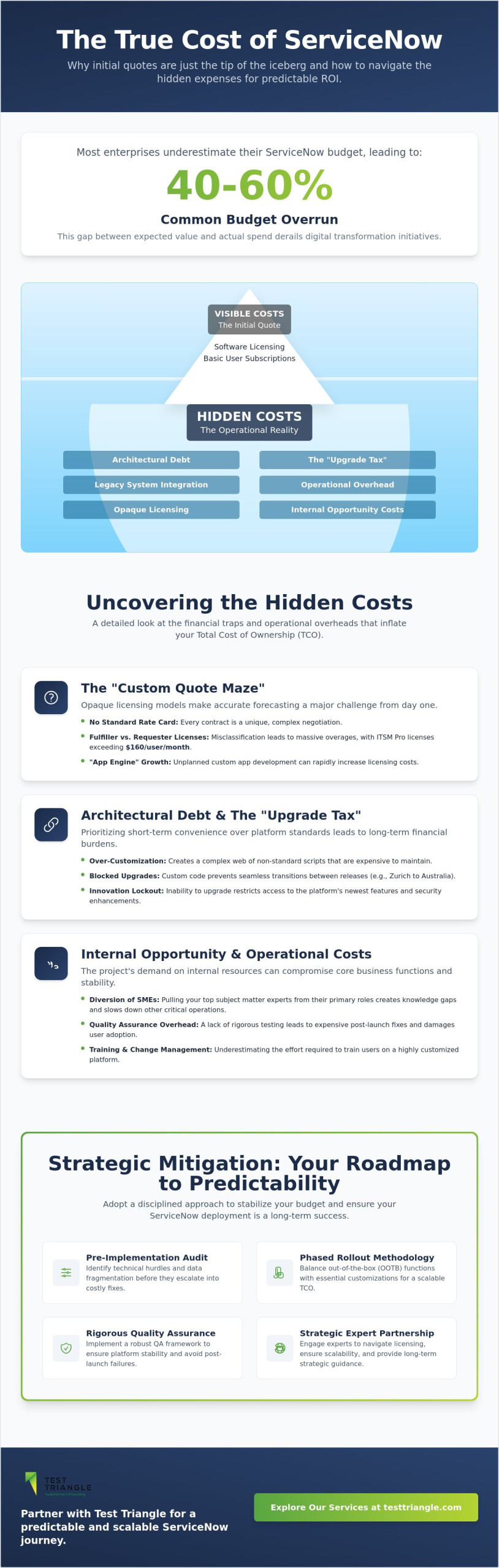

With Gartner predicting that 80% of engineering organizations will adopt internal development platforms by the close of 2026, the era of fragmented, DIY toolchains has reached its expiration. You’ve likely recognized that maintaining high-velocity delivery in complex hybrid environments is becoming unsustainable as specialized talent shortages persist and visibility gaps widen across the development lifecycle. Crafting a resilient devops strategy for chief technology officers is no longer merely an exercise in tool selection; it’s a strategic necessity to orchestrate a unified ecosystem that delivers precision, pace, and performance.

We understand that your objective is to evolve your technical function from a technical cost center into a reliable engine for digital transformation. This framework provides a high-level roadmap to help you transition from fragmented tooling to a capacity-driven ecosystem that scales with your business goals. You’ll gain insights into unifying ITSM and DevOps platforms to reduce time-to-market, ensuring governance through automated compliance, and leveraging the 2026 ServiceNow “Australia” release to secure a sustainable competitive advantage.

Key Takeaways

  • Transition from managing siloed teams to a platform engineering culture where DevOps Capacity serves as a primary metric for executive performance and organizational scalability.
  • Develop a resilient devops strategy for chief technology officers that unifies CI/CD pipelines and integrates DevSecOps into the earliest stages of the development lifecycle.
  • Align executive strategic roadmaps with technical execution by bridging the visibility gap between Atlassian Jira Align and ServiceNow ITSM platforms.
  • Address the persistent talent gap by leveraging flexible staffing models and managed DevOps services to maintain complex, hybrid-cloud infrastructures without compromising security.
  • Implement a 2026 strategic roadmap that converts fragmented tooling into a unified, capacity-driven ecosystem designed to accelerate time-to-market.

The Evolution of DevOps Strategy: A 2026 Mandate for CTOs

The landscape of software delivery has fundamentally changed, moving beyond the era where DevOps was treated as a siloed department or a collection of scripts. For the modern CTO, a devops strategy for chief technology officers now demands a transition toward platform engineering, where the goal is to provide a frictionless, self-service experience for developers. This evolution is driven by the realization that fragmented automation efforts often create more technical debt than they solve. By 2026, successful leaders are those who treat the DevOps philosophy as a foundational cultural asset, ensuring that every automation initiative aligns directly with long-term digital transformation goals. This shift requires a disciplined focus on organizational progress through the combination of human expertise and technical tools, moving away from reactive firefighting toward proactive ecosystem management.

From Tool-Centric to Capacity-Centric Leadership

DevOps Capacity is the primary metric for 2026 CTOs, representing the total bandwidth an organization possesses to innovate while maintaining the stability of current production environments. This metric forces a departure from vanity statistics like the number of deployments per day, focusing instead on the strategic balance between “run” and “build” activities. To optimize this, leaders must evaluate the “Enabler” versus “Doer” ratio within their engineering teams. A high-performing platform team acts as an enabler, creating the guardrails and automated environments that allow product teams to be the doers. When this ratio is balanced, the organization achieves a state of stability, speed, and scalability, significantly reducing the cognitive load on developers and accelerating the delivery of value-added features.

The Business Impact of Strategic DevOps Maturity

Mature DevOps practices aren’t just technical achievements; they’re significant drivers of market share and customer retention. When an organization can deploy with high frequency without security compromises, it responds to market shifts faster than competitors trapped in manual release cycles. Strategic maturity involves reducing operational risk through standardized, repeatable infrastructure that eliminates the inconsistencies of manual environments. By leveraging Atlassian implementation services to unify tracking and managed outsourcing services to handle infrastructure complexity, CTOs can transform DevOps into a predictable engine of business agility. This approach ensures that technical debt reduction isn’t a separate project but a continuous, automated byproduct of a healthy delivery pipeline that empowers the business to scale with confidence.

Designing a Resilient Framework: The Three Pillars of Modern DevOps

A resilient framework requires more than just automation; it demands a structured approach to orchestration across your entire digital estate. When building a devops strategy for chief technology officers, the focus must shift toward three core pillars that ensure stability while accelerating delivery. This framework serves as the strategic blueprint for scaling digital operations without compromising on security or governance. By 2026, the transition from fragmented, siloed automation to a unified ecosystem is the only way to manage the increasing complexity of hybrid and multi-cloud environments.

Pillar 1: Automated Governance and Security

Governance in 2026 means moving beyond basic scripts to intelligent, policy-driven workflows. This is particularly vital for organizations in highly regulated industries like finance or healthcare where Compliance-as-Code is now a requirement to meet standards like GDPR, HIPAA, and PCI-DSS. By integrating software qa services directly into the delivery stream, you ensure that security isn’t a final hurdle but a continuous process. This proactive stance addresses the OWASP Top 10 through automated security testing that runs with every commit. Leaders who succeed in implementing DevOps at this level find that security becomes an enabler of speed rather than a blocker, providing the peace of mind that comes from systemic risk reduction.

Pillar 2: Platform Engineering and Developer Experience (DevEx)

Pillar 3: Data-Driven Continuous Improvement

Data is the final pillar. You can’t improve what you don’t measure. Utilizing DORA metrics to track velocity and stability provides the “Radical Transparency” needed for executive oversight. In 2026, AI-driven insights are no longer optional for maintaining a competitive edge. Analysis shows that teams using AI-powered testing frameworks achieve 83% test coverage, a significant increase from the 54% achieved with traditional methods. These feedback loops allow for predictive failure prevention and the implementation of self-healing systems. This data-driven approach ensures your ecosystem remains resilient under pressure and allows for the continuous optimization of your delivery pipeline.

If you’re ready to modernize your infrastructure, you might consider how a tailored consultation can align these pillars with your specific business objectives.

Platform Synergy: Leveraging Atlassian and ServiceNow for Governance

Achieving a “Single Pane of Glass” across the entire software development lifecycle (SDLC) remains a top priority for technology leaders seeking to eliminate visibility gaps. A robust devops strategy for chief technology officers in 2026 relies on the synergy between Atlassian and ServiceNow to bridge the historic divide between engineering velocity and operational stability. By integrating these industry-leading platforms, you create a unified governance layer that translates raw technical output into actionable business intelligence. This orchestration ensures that your digital transformation isn’t just fast, but also aligned with the broader corporate mission, providing a disciplined foundation for long-term growth.

Strategic alignment often fails when executive roadmaps don’t reflect real-world engineering capacity. Through specialized Atlassian Consulting, organizations can leverage Jira Align to synchronize high-level objectives with the daily tasks of development teams. A precise Atlassian implementation provides the scalable project tracking necessary to manage complex portfolios, ensuring that resources are allocated to the highest-value initiatives. This visibility allows CTOs to pivot with confidence, backed by real-time data from the engineering floor, while maintaining the rigorous standards required in global enterprise environments.

While Atlassian drives the development journey, ServiceNow implementation acts as the critical bridge to IT Service Management (ITSM). The 2026 ServiceNow “Australia” release, scheduled for broad production upgrades by mid-June, introduces enhanced capabilities for automating the connection between CI/CD pipelines and change management records. This integration reduces manual intervention and eliminates the friction often found in release cycles. By automating the flow of information between Jira and ServiceNow, you achieve Visibility, Velocity, and Value, turning your DevOps function into a transparent and predictable business asset.

Unifying the Enterprise Ecosystem

Consolidating your stack around Jira, Bitbucket, and Confluence creates a seamless developer journey that minimizes context switching and improves team morale. This consolidation directly addresses the pain of tool sprawl, which often leads to fragmented data and security vulnerabilities. When combined with comprehensive IT service management solutions, these platforms provide a disciplined framework for incident response and workflow optimization. It’s about ensuring your teams remain focused on building rather than maintaining their own toolsets, allowing for a more versatile and globally-minded engineering culture.

Strategic Asset Management and Compliance

Automated governance requires more than just code; it requires an immutable audit trail that stands up to scrutiny. Integrating platform logging across the ecosystem ensures that every change is documented, meeting stringent global regulatory standards for data residency and sovereignty. This unified approach also allows for better management of software licenses and cloud spend through centralized oversight. By managing these assets strategically, you reduce unnecessary costs and ensure that your global cloud deployments remain compliant with evolving international laws, providing the peace of mind that comes from systemic risk reduction.

Solving the Talent Gap: Strategic Staffing Models for 2026

The global demand for skilled DevOps professionals continues to outpace supply, creating a strategic bottleneck for organizations aiming to execute a sophisticated devops strategy for chief technology officers. As of 2026, the average salary for a DevOps engineer in the US has reached approximately $140,000, with senior roles often exceeding $180,000. For the CTO, solving this talent gap requires a move away from traditional, slow-moving recruitment toward more agile, capacity-driven models. By leveraging specialized staffing solutions, you can scale your engineering capacity without the prohibitive overhead of permanent headcount, ensuring your roadmap remains on track even in a volatile labor market.

In highly regulated sectors such as Pharmaceuticals or Finance, the challenge is even more acute. Sourcing talent that understands both the technical CI/CD pipeline and the nuances of GxP or banking regulations is exceptionally difficult. A disciplined approach to staffing involves identifying partners who provide pre-vetted experts familiar with automated compliance and security protocols. This ensures that your technical evolution doesn’t stall due to a lack of specialized knowledge, providing the peace of mind that comes from systemic reliability and expertise.

In-House vs. Outsourced DevOps: An ROI Comparison

Evaluating the total cost of ownership (TCO) for a DevOps function reveals that permanent hires often involve hidden expenses, including recruitment fees, training, and retention incentives. Managed DevOps Services offer a compelling alternative by providing immediate access to a broad pool of expertise at a predictable cost. This model is particularly effective for “Burst Capacity,” allowing you to scale up for major cloud migrations or platform upgrades without long-term commitment. The following table illustrates the strategic trade-offs between these two models:

FeatureIn-House Permanent HiresManaged DevOps Services
Hiring CycleTypically 3 to 6 monthsImmediate to 2 weeks
Expertise DepthSpecific to individual hiresAccess to full consultant pool
ScalabilityDifficult and slowHighly flexible and rapid
Risk ProfileHigh (attrition risk)Low (contractual stability)

Remote and Offshore Talent Integration

Managing global, distributed DevOps engineering teams requires a focus on cultural and technical alignment. To succeed, you must establish clear communication protocols and standardized toolsets that transcend time zones. Utilizing specialized IT staffing services allows you to tap into offshore talent pools while maintaining the high standards of quality and security your enterprise demands. This approach not only reduces time-to-hire but also provides a versatile, globally-minded workforce capable of supporting complex infrastructures around the clock. By integrating these resources into your core platform engineering culture, you achieve a state of Stability, Precision, and Scalable Growth.

If you need to scale your engineering team quickly with specialized talent, contact our staffing experts to discuss a customized model for your organization.

DevOps Strategy for Chief Technology Officers: The 2026 Strategic Framework

Executing Your Roadmap: How Test Triangle Accelerates Transformation

Test Triangle acts as more than a service provider; we are a strategic visionary and practical collaborator for global enterprises navigating the complexities of modern software delivery. Executing a devops strategy for chief technology officers requires a nuanced understanding of how technical tools, human talent, and business governance intersect to drive organizational progress. We provide the institutional maturity needed to transition from fragmented, siloed automation to a unified, capacity-driven ecosystem. Our methodology connects deep Atlassian expertise with specialized staffing models to ensure that your transformation roadmap remains both ambitious and achievable in a volatile technological landscape.

A Holistic Approach to IT Service Management

Operational excellence is only achieved when development speed is balanced by rigorous governance and systemic reliability. By integrating comprehensive IT Service Management solutions into your core DevOps strategy, we bridge the historic divide between innovation and stability. Our strategic partnerships with AWS and ServiceNow allow us to orchestrate environments that are secure, compliant, and highly performant. Our proven success in the pharmaceutical sector, for instance, demonstrates our ability to scale DevOps functions while maintaining strict adherence to global compliance standards, ensuring that digital evolution never comes at the cost of regulatory risk. This holistic approach provides the Stability, Security, and Scalability required for high-stakes enterprise environments.

Your Long-Term Collaborator for Scalable Growth

We’re deeply invested in your organization’s long-term success through a disciplined focus on risk reduction and empowerment found in large-scale technological evolution. Whether you require project-based DevOps Consulting or the sustained support provided by Managed Outsourcing Services, our delivery models remain adaptable to your specific business objectives. We don’t just implement tools; we foster a platform engineering culture that empowers your teams to build, deploy, and scale with confidence. This partnership provides the Precision, Pace, and Power necessary to thrive as you navigate the 2026 ServiceNow “Australia” release and beyond, positioning your company as a leader in digital maturity.

The journey from an initial assessment to full-scale platform optimization begins with a clear understanding of your current DevOps capacity and technical debt. By identifying visibility gaps and talent shortages early, we help you build a resilient framework that delivers tangible business value and reduces time-to-market. Contact us today to begin your comprehensive 2026 devops strategy for chief technology officers assessment and secure a steady hand for your digital transformation journey.

Orchestrating Future-Proof Digital Ecosystems

The transition toward platform engineering and capacity-driven metrics represents a fundamental shift in how successful enterprises deliver value. By unifying the Atlassian and ServiceNow ecosystems, you establish the visibility and governance necessary to scale without security compromises. Addressing the specialized talent gap through flexible staffing models ensures your roadmap remains resilient against market volatility, providing the peace of mind that comes from systemic stability. A robust devops strategy for chief technology officers is no longer just a technical objective; it’s a strategic mandate for sustainable growth in 2026.

As an Atlassian Gold Solution Partner and ServiceNow Premier Partner with a global delivery footprint across Europe, North America, and Asia, Test Triangle acts as a reliable long-term collaborator for your digital transformation. We’re committed to helping you navigate this complex landscape with precision and institutional maturity. Partner with Test Triangle for your 2026 DevOps Strategy to secure a steady hand for your organization’s future. We look forward to empowering your engineering teams and driving your long-term operational success.

Frequently Asked Questions

What are the key components of a DevOps strategy for CTOs in 2026?

A successful devops strategy for chief technology officers in 2026 prioritizes platform engineering, DevSecOps, and AI-driven observability. These components work together to create a unified, capacity-driven ecosystem that reduces cognitive load on developers. By focusing on internal development platforms and automated governance, CTOs can ensure that technical execution aligns with long-term digital transformation goals and organizational stability.

How does platform engineering differ from traditional DevOps?

Platform engineering focuses on building internal development platforms (IDPs) that provide “Golden Paths” for developers, whereas traditional DevOps often relied on manual collaboration between siloed teams. Gartner predicts that 80% of software engineering organizations will adopt these platforms by 2026. This shift empowers developers through self-service infrastructure, allowing them to focus on product innovation rather than complex pipeline maintenance.

How can Atlassian tools improve my DevOps delivery speed?

Atlassian tools like Jira Software 12 and Bamboo 13 improve delivery speed by unifying the developer journey from planning to deployment. These major versions support modern requirements like Java 25 and Spring 7, ensuring your stack remains performant and secure. By integrating Jira Align with executive roadmaps, you achieve the visibility needed to allocate resources effectively and accelerate time-to-market.

What is the ROI of outsourcing DevOps to a managed service provider?

The ROI of outsourcing DevOps to a managed service provider is realized through reduced total cost of ownership and immediate access to specialized expertise. Instead of navigating a three to six month hiring cycle for a senior engineer with a $180,000 salary, you gain burst capacity and rapid scalability. This model provides the peace of mind derived from contractual stability and systemic risk reduction.

How do I ensure security and compliance within an automated DevOps pipeline?

Ensuring security within an automated pipeline requires integrating DevSecOps and “Compliance-as-Code” directly into the CI/CD stream. Automated testing frameworks now achieve up to 83% test coverage when powered by AI, significantly mitigating vulnerabilities like the OWASP Top 10. This proactive stance ensures that governance is maintained across global cloud deployments without slowing down the release cycle or compromising data residency.

What are the best staffing models for scaling a DevOps team globally?

The most effective models for 2026 combine permanent core leadership with flexible offshore or managed service resources. This hybrid approach addresses the talent gap by tapping into global expertise while maintaining cultural and technical alignment. Utilizing specialized IT staffing services allows CTOs to scale capacity rapidly for major migrations or platform upgrades without the long-term overhead of permanent headcount.

How does ServiceNow integration benefit a DevOps environment?

ServiceNow integration bridges the visibility gap between engineering velocity and IT Service Management (ITSM). The 2026 “Australia” release enhances this by automating change management records directly from CI/CD pipelines, reducing manual friction. This synergy creates a “Single Pane of Glass” for the entire SDLC, ensuring that every deployment is documented and compliant with stringent global regulatory standards.

Why should a CTO prioritize “DevOps Capacity” over simple automation?

Prioritizing DevOps Capacity over simple automation ensures that your engineering organization has the bandwidth to innovate while maintaining production stability. A comprehensive devops strategy for chief technology officers treats capacity as a primary performance metric. While automation replaces manual tasks, capacity management balances the “Enabler” versus “Doer” ratio to drive long-term business agility and scalable growth.

Paul Guy

Article by

Paul Guy

Paul serves as the Marketing Director at Test Triangle, where he leads a global team in driving growth through strategic B2B marketing and brand communications. With a strong emphasis on measurable outcomes and sustainable performance, he plays a pivotal role in aligning marketing functions to enhance customer engagement and accelerate business impact. Under his leadership, marketing initiatives have consistently delivered significant returns on investment, elevated brand visibility, and strengthened the company's presence across key markets.


While enterprise Atlassian pricing has surged by 32.01% as of May 2026, the most successful global organizations aren’t scaling back; they’re fundamentally restructuring their approach to atlassian support. You likely recognize the friction of waiting on high-volume portals for critical fixes or the technical debt that accumulates when Jira isn’t seamlessly integrated with ServiceNow and AWS. It’s common to feel that your investment is being consumed by reactive troubleshooting rather than driving the digital transformation your roadmap requires.

This guide promises to move you beyond the limitations of standard maintenance into a strategic managed services model that secures your infrastructure and maximizes ROI. By aligning expert-led cloud migration with disciplined license management, you can transform your toolset into a predictable, high-performance engine for growth. We will examine the critical 2026 updates to Data Center pricing, the implications of Atlassian’s new AI data policies, and the methodology for achieving a 230% return on your ecosystem investment through proactive, SLA-backed partnership.

Key Takeaways

  • Learn to transition from fragmented tool maintenance to a unified digital transformation strategy that aligns your technical infrastructure with long-term business objectives.
  • Distinguish between basic software fixes and comprehensive atlassian support by understanding the strategic advantages of a Managed Service Provider in complex enterprise environments.
  • Identify the financial and operational benefits of a proactive configuration approach designed to eliminate system bottlenecks and reduce the accumulation of technical debt.
  • Utilize a structured audit framework to evaluate your current support health and uncover hidden inefficiencies in user adoption and cross-platform tool integration.
  • Implement a methodology-driven partnership model that bridges the gap between technical execution and executive-level business outcomes to ensure scalable growth.

The evolution of the Atlassian Corporation software suite has transitioned from a collection of standalone project management tools into a foundational architecture for the modern enterprise. By 2026, the complexity of these environments has grown exponentially, driven by the necessity of deep integrations between Jira, AWS, and specialized marketplace apps that can increase base costs by up to 150%. Global organizations no longer view these tools as isolated silos; they are the central nervous system of digital transformation. However, as configurations become more bespoke, standard atlassian support often hits a ceiling. It focuses on the software’s functional uptime rather than the strategic health of the entire ecosystem. This creates a critical “Support Gap” where technical managers find themselves caught between vendor-level documentation and the unique requirements of their own complex, multi-platform workflows.

The Interconnected Enterprise: Beyond Jira and Confluence

Current enterprise digital strategies demand that Atlassian tools serve as the primary anchor for IT Service Management solutions. When Jira Service Management is expected to bridge the gap between HR, legal, and engineering, the challenge of maintaining cross-platform data integrity becomes a primary business risk. Relying on “business as usual” support models during periods of rapid scaling often leads to fragmented data and broken automation. True operational stability requires a support framework that understands how a change in a Confluence permissions scheme might ripple through a ServiceNow integration or an AWS-hosted database. Without this holistic oversight, the technical debt accumulated through quick-fix configurations can eventually stall the very agility these tools were meant to provide.

The High Cost of System Inefficiency

Systemic bottlenecks in your Atlassian stack are more than just an IT inconvenience; they are a direct drain on profitability. Slow ticket resolution and poor tool configuration significantly degrade developer velocity and team morale, leading to a measurable loss in organizational agility. While well-executed implementations can yield a 275% ROI over three years, achieving this requires a disciplined approach to atlassian support that prioritizes proactive optimization over reactive fire-fighting. By integrating robust support with expert DevOps Consulting, enterprises can ensure their tools accelerate rather than hinder the release cycle. This strategic alignment converts technical execution into tangible business outcomes, providing the precision, pace, and power needed to maintain a competitive edge in a fast-changing technological landscape.

Deciphering the Tiers: Official Support vs. Partner Managed Services

For global enterprises, the distinction between maintaining software and managing an ecosystem is often the difference between stagnation and scalable growth. While every subscription includes a baseline of atlassian support, many organizations mistakenly assume this vendor-level coverage includes the hands-on administration required for complex, bespoke environments. In reality, a clear hierarchy exists between the technical safety net provided by the software vendor and the strategic, proactive partnership offered by a Managed Service Provider (MSP). Understanding these boundaries is essential for leadership teams aiming to secure stability, scalability, and security across their digital infrastructure.

Official Atlassian Support: The Technical Safety Net

The primary mandate of official vendor support is to ensure the integrity of the core codebase. This includes delivering critical security patches, resolving platform-wide bugs, and maintaining high uptime for cloud services. While tiers like “Enterprise” offer accelerated response times for high-severity incidents, the scope remains strictly limited to the software’s out-of-the-box functionality. They won’t troubleshoot your custom Groovy scripts in Jira Service Management or optimize a convoluted Confluence permissions hierarchy that’s slowing down your global teams. When you submit a ticket to the global queue, you’re interacting with experts on the product, not experts on your specific business logic or your unique ServiceNow integration.

Managed Services: The Strategic Extension of Your IT Team

A Managed Service Provider acts as a highly disciplined extension of your internal operations, focusing on the systemic health of your entire stack. Unlike reactive ticketing systems, an MSP utilizes a methodology-driven approach to identify performance degradation before it impacts user productivity. This level of partnership provides access to specialized Atlassian Consulting for workflow automation, ensuring that your tools evolve alongside your business requirements. By assigning dedicated account managers who understand your long-term roadmap, an MSP bridges the gap between technical execution and executive goals. This results in predictable monthly costs and guaranteed SLAs that go beyond simple “uptime” to encompass actual operational efficiency. If your organization requires a more tailored approach to overcome specific architectural bottlenecks, it’s often beneficial to discuss your ecosystem’s specific requirements with a strategic partner who can provide the depth of expertise that community forums and standard documentation lack.

Overcoming the Reactive Trap: The ROI of Proactive Support

Operating an enterprise environment through reactive troubleshooting is a high-risk strategy that often results in compounding technical debt and unforeseen operational pauses. While many organizations treat atlassian support as a break-fix utility, the most resilient global firms leverage it as a strategic asset to drive visibility, velocity, and value. By shifting the focus from resolving active failures to preventing them, businesses can secure the 230% to 275% ROI typically associated with well-executed implementations. This proactive approach ensures that every configuration is “Right-First-Time,” eliminating the costly cycles of reconfiguration that occur when tools are scaled without a disciplined architectural blueprint.

Strategic oversight also extends to the financial health of the ecosystem. With enterprise pricing for Atlassian products increasing by 32.01% as of May 2026, and marketplace apps potentially adding up to 150% to base costs, proactive license management is no longer optional. A managed support model identifies underutilized seats and redundant plugins, ensuring that your expenditure remains lean and targeted. Furthermore, integrating continuous Software Test Automation Services into your support framework allows for the rapid validation of new workflows. This methodology ensures that system updates don’t disrupt established DevOps pipelines, maintaining a steady cadence of delivery across the organization.

Preventative Maintenance for Cloud and Data Center

Maintaining a healthy Atlassian instance requires regular, high-level audits to prevent “instance sprawl” and the formation of data silos. This is particularly critical for organizations in highly regulated sectors, such as pharmaceuticals, where data integrity and compliance are paramount. Proactive atlassian support involves security hardening that goes far beyond standard platform patches, implementing bespoke permission schemes and data contribution settings that align with the latest 2026 AI data sharing policies. This level of preventative care ensures that your infrastructure remains a secure, compliant, and high-performance environment for global collaboration.

Strategic Roadmapping and Cloud Migration

With the Data Center end-of-life approaching on March 28, 2029, and 94% of enterprises already operating in the cloud, strategic roadmapping has become a core component of modern support. Utilizing dedicated support hours for long-term planning allows organizations to execute complex Atlassian Cloud migrations without data loss or significant downtime. By aligning tool evolution with specific organizational growth targets, a managed service provider ensures that your technology stack remains a catalyst for progress. This forward-looking methodology transforms your support investment into a reliable engine for large-scale technological evolution and sustained business success.

Audit Checklist: Identifying Gaps in Your Current Support Infrastructure

To transition from a reactive posture to a strategic framework, enterprises must first conduct a rigorous diagnostic of their current ecosystem health. Evaluating your infrastructure involves more than checking server uptime; it requires a deep dive into the friction points that impede organizational velocity. Many global firms find their internal atlassian support desks overwhelmed by low-level administrative tasks, which prevents senior engineers from focusing on high-value digital transformation projects. By utilizing a structured framework to identify these gaps, leadership can determine whether their existing model supports long-term scalability or if it’s time to transition toward Managed Outsourcing Services to secure operational stability.

Technical Integrity: Operational Audit Points

A comprehensive audit begins with a review of average time-to-resolution (TTR) for internal tickets and an assessment of the complexity within third-party app integrations. If your team struggles to maintain data integrity between Jira and AWS, or if custom workflows are causing frequent system timeouts, your current support layer is likely insufficient. You should evaluate the scalability of your permission schemes and security protocols, especially as you navigate the regulatory requirements of 2026. These technical benchmarks provide the data necessary to justify a shift in your service delivery model. Identifying these bottlenecks early allows for a more disciplined approach to system optimization, ensuring that your tools aren’t just functional but are actively contributing to team morale and developer velocity.

Capacity Planning: Resource and Staffing Evaluation

Beyond the technical layer, organizations must honestly assess the burden placed on their human capital. If routine maintenance like license reconciliation or version upgrades consistently derails your roadmap, your internal team is overstretched. This often indicates a need for specialized IT Staffing Services to bridge specific expertise gaps without the overhead of permanent hires. The “Build vs. Buy” decision for Atlassian expertise hinges on whether you can maintain the required pace of innovation internally. Relying on a strategic visionary who remains deeply practical is often more cost-effective than attempting to recruit and retain a full-time, multi-disciplinary team. To gain a clearer understanding of how your current resources align with your 2026 growth targets, you should request a comprehensive infrastructure audit from a strategic partner who understands the nuances of global enterprise management.

Atlassian Support: A Strategic Guide to Enterprise Managed Services in 2026

Test Triangle: Elevating Atlassian Support into a Strategic Partnership

Test Triangle operates as a strategic visionary for global enterprises, moving beyond the transactional nature of standard vendor relationships to provide a high-level corporate partnership. Our proprietary Methodology-Action-Result framework ensures that every technical intervention is directly mapped to a specific business objective; this converts complex technical debt into measurable operational value. By aligning atlassian support with your broader digital roadmap, we bridge the gap between technical execution and executive-level outcomes. Our global delivery model offers unparalleled flexibility, providing contract, remote, and offshore support options that adapt to your unique organizational rhythm and time-zone requirements. This versatility, combined with deep multi-platform expertise across Atlassian, ServiceNow, and AWS, allows us to manage complex digital infrastructures with precision, pace, and power.

A Holistic Approach to IT Service Management

The seamless integration of atlassian support with our ServiceNow Consulting Services creates a unified IT Service Management layer that eliminates operational silos and drives systemic improvement. We deliver end-to-end digital transformation through strategic advisory, ensuring that your tools serve as a catalyst for organizational progress rather than a source of technical friction. For organizations operating within the pharmaceutical and financial sectors, we provide customized support packages specifically designed to navigate the rigorous compliance and security standards of 2026. This holistic oversight ensures that your technology stack remains secure, scalable, and stable, providing the peace of mind necessary for long-term innovation and large-scale technological evolution.

Your Long-Term Collaborator for Scalable Growth

We position ourselves as a reliable long-term collaborator, emphasizing a profound commitment to risk reduction and operational stability as the cornerstones of our identity. Our approach is built on a foundation of institutional maturity, where we operate as a steady hand in a fast-changing technological landscape to reassure global enterprises that their infrastructures are managed with expertise. By focusing on the combination of human expertise and technical precision, we empower leadership teams to achieve sustainable, scalable, and secure growth. We bridge the gap. This disciplined methodology transforms your support investment into a reliable engine for success. To begin transforming your infrastructure into a high-performance asset, you can optimise your ecosystem with Test Triangle Atlassian Support.

Securing Your Digital Future: The Path to Operational Excellence

The transition toward a proactive managed services model isn’t just a technical upgrade; it’s a strategic necessity for the modern enterprise aiming to offset rising costs and increasing technical complexity. By moving beyond the reactive trap, you unlock the potential for significant ROI while ensuring that your infrastructure remains resilient against the specific challenges of 2026. A disciplined approach to atlassian support ensures that your tools evolve alongside your business, turning project management software into a unified engine for digital transformation. This methodology ensures that every configuration contributes to your organization’s long-term stability, scalability, and security.

As an Atlassian Gold Solution Partner with a global presence spanning Europe, North America, and Asia, Test Triangle provides the specialized expertise required to manage ecosystems in highly regulated industries. We operate as a steady hand, focusing on risk reduction and technical precision to ensure your long-term success. Our Methodology-Action-Result framework bridges the gap between technical execution and executive goals, reinforcing our identity as a reliable long-term collaborator. Explore Strategic Atlassian Support Solutions to begin your journey toward a more efficient and scalable infrastructure. We’re ready to help you empower your teams and secure your digital future.

Frequently Asked Questions

What is the difference between Atlassian Standard and Partner Support?

Official Atlassian support focuses primarily on the functional integrity of the software codebase, providing reactive fixes for bugs and platform-wide outages. In contrast, a strategic partner provides a proactive managed service that encompasses your entire ecosystem, including custom workflow configurations, third-party integrations, and long-term architectural roadmapping. This partnership model ensures that your tools are optimized for your specific business logic rather than just maintaining basic uptime.

How much does managed Atlassian support typically cost?

The financial investment for managed atlassian support is determined by the complexity of your technical environment, your total seat count, and the specific service level agreements required by your organization. While licensing costs are fixed by the vendor, managed service fees are tailored to the depth of strategic oversight and administrative burden you choose to outsource. Most enterprises find this model more economical than recruiting a full-time, multi-disciplinary internal team to manage a scaling infrastructure.

Can a partner help with Atlassian Cloud migration support?

Yes, an expert partner manages the entire end-to-end migration lifecycle to ensure data integrity and minimal operational downtime. This includes performing pre-migration audits, resolving app compatibility issues, and executing the final transition with disciplined precision. By leveraging specialized Atlassian Consulting, organizations can navigate the complexities of cloud-native features and AI data sharing policies without risking their historical data or established DevOps pipelines.

Do I still need an internal Jira administrator if I have partner support?

Many global organizations choose to reallocate their internal resources toward core business innovation by utilizing a partner as their primary administrator. While you may retain a light internal touchpoint for high-level approvals, a managed service provider handles the routine maintenance, user provisioning, and performance tuning. This approach eliminates the institutional risk associated with “single point of failure” staffing and ensures your infrastructure is managed by a versatile team of experts.

What are the typical SLAs for enterprise Atlassian managed services?

Enterprise-grade SLAs are highly structured and typically categorize incidents by severity to ensure that critical system failures receive immediate prioritization. These agreements often guarantee specific response and resolution times, alongside commitments to system performance and security hardening. By establishing these benchmarks, enterprises gain the peace of mind that comes from predictable service quality and a reliable long-term collaborator invested in their operational stability.

How does Atlassian support integrate with ServiceNow workflows?

A strategic partner provides the technical bridge necessary to synchronize Jira Service Management with ServiceNow, ensuring a unified flow of data across your IT Service Management layer. This integration allows for automated ticket mirroring, consistent status updates, and centralized reporting across both platforms. This methodology eliminates data silos and provides leadership with a comprehensive view of organizational performance and resource allocation.

Is third-party support secure for highly regulated industries?

Managed support providers implement rigorous security protocols and compliance frameworks specifically designed for highly regulated sectors like pharmaceuticals and finance. This includes adhering to strict data residency requirements, implementing bespoke permission schemes, and ensuring all administrative actions are fully auditable. This level of security hardening goes beyond standard platform patches to protect your intellectual property and maintain regulatory alignment.

What happens to my official Atlassian subscription if I hire a partner?

Your official software subscription remains active and continues to provide you with the core platform and vendor-level security updates. The partner acts as an expert service layer on top of this subscription, managing your Atlassian Licences and providing the hands-on administration that the vendor does not offer. This relationship ensures you receive the best of both worlds: a world-class software foundation and the strategic expertise required to make it perform at scale.

Paul Guy

Article by

Paul Guy

Paul serves as the Marketing Director at Test Triangle, where he leads a global team in driving growth through strategic B2B marketing and brand communications. With a strong emphasis on measurable outcomes and sustainable performance, he plays a pivotal role in aligning marketing functions to enhance customer engagement and accelerate business impact. Under his leadership, marketing initiatives have consistently delivered significant returns on investment, elevated brand visibility, and strengthened the company's presence across key markets.
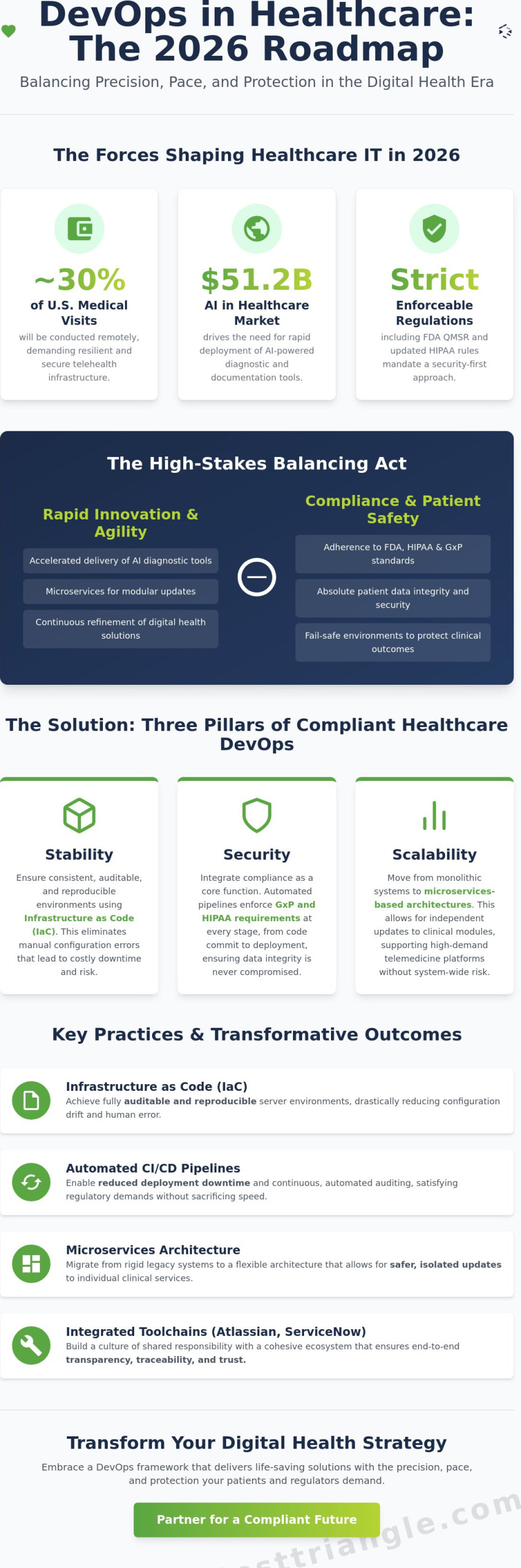

Did you know that as of March 30, 2026, Atlassian has officially ceased the sale of new Data Center licenses, effectively placing a firm countdown on your legacy infrastructure? It’s a reality that many global organizations find daunting, especially when faced with the intricate challenge of moving high-volume instances. You likely recognize that the complexity of migrating third-party apps and the risk of business downtime during cutover are not just technical hurdles; they’re significant threats to your operational continuity. By identifying common jira data center to cloud migration mistakes early, your team can pivot from a reactive posture to a proactive strategy that ensures precision, pace, and performance.

This guide identifies the critical pitfalls that derail enterprise transitions and provides a clear risk-mitigation roadmap for the current regulatory environment. We’ll examine the nuances of Atlassian Cloud features, the impact of the September 2026 data limits, and the strategic business case for professional Atlassian consulting to ensure your long-term success. Whether you’re navigating the requirements of the NIS2 Directive or managing a hybrid-sovereign cloud model, understanding these nuances is essential for a secure and high-performance transition.

Key Takeaways

  • Architect a strategic transition by moving beyond the simple “lift-and-shift” mentality to ensure your cloud environment functions as a high-performance operating model rather than a legacy data mirror.
  • Mitigate technical risks by conducting comprehensive audits of legacy data and app parity, effectively neutralizing common jira data center to cloud migration mistakes before they impact your production environment.
  • Navigate the evolving landscape of global data sovereignty and residency regulations to maintain strict compliance with modern frameworks like the NIS2 Directive and the EU Data Act.
  • Secure organizational stability by addressing the “capacity fallacy,” ensuring that internal teams have the necessary strategic support to manage both daily operations and the technical nuances of Atlassian Cloud.
  • Orchestrate a successful “Day 2” strategy that prioritizes rigorous performance tuning and proactive user adoption to maximize the long-term value of your enterprise digital transformation.

Beyond the Lift-and-Shift: The Strategic Landscape of Jira Cloud Migration in 2026

Transitioning from Jira Data Center to the Cloud is no longer a mere technical upgrade; it’s a fundamental transformation of your organizational operating model. In 2026, the distinction between maintaining a legacy environment and evolving into a cloud-native enterprise is defined by how effectively leadership views the platform as a driver of velocity. Treating this transition as a simple “lift-and-shift” operation is one of the most common jira data center to cloud migration mistakes, often resulting in severe post-migration performance issues. This outdated mentality fails to account for the architectural differences between clustered on-premise servers and the multi-tenant, service-oriented nature of the Atlassian Cloud.

Success in the current landscape requires a shift in focus from the immediate cost of migration to the long-term Total Cost of Ownership (TCO). While the initial project expenses are visible, the true value lies in the operational efficiency gained through Atlassian Intelligence and Rovo integrations. These AI-driven tools, which transform whiteboard sessions into actionable Jira items and automate status updates, require clean, structured data to function. Migrating “dirty data” or redundant workflows prevents these sophisticated systems from delivering the insights they’re designed to provide. Consequently, a strategic approach prioritizes data hygiene and workflow optimization long before the first record is moved.

The Evolution from Data Center to Cloud Architecture

The transition from Data Center to Cloud represents a move from infrastructure-heavy management to a service-oriented paradigm where Atlassian manages the underlying complexities. When understanding the fundamentals of cloud migration, it’s clear that the shift involves a total re-evaluation of how data is processed and stored globally. Atlassian Cloud utilizes a distributed architecture that scales horizontally, ensuring that performance remains consistent regardless of user volume. Cloud-Native Jira is a dynamic ecosystem of interconnected services that scale horizontally to meet global demand, rather than a static, siloed instance. This architecture allows for a level of agility and security that traditional Data Center models simply cannot replicate in a fast-paced market.

Why Planning Delays are Fatal for Enterprise Timelines

A frequent error that compromises enterprise stability is waiting too long to initiate the migration process. With the March 30, 2026 deadline for new Data Center license sales already passed, the countdown to the 2029 end-of-life is accelerating. Complex enterprise environments typically require a 6 to 12-month lead time to navigate app parity audits, security reviews, and data cleanup. Underestimating this timeline is another of the common jira data center to cloud migration mistakes that leads to rushed cutovers and avoidable downtime. Partnering with professional Atlassian Consulting Services provides the strategic oversight needed to manage these nuances, allowing your internal teams to maintain focus on core business objectives while experts handle the technical heavy lifting.

The Technical Pitfalls: Data Integrity, App Parity, and Identity Management

Technical execution often falters when organizations prioritize speed over data hygiene. Migrating decades of legacy configurations, inactive projects, and redundant custom fields creates the “Dirty Data” trap. This clutter doesn’t just slow down the system; it actively compromises the user experience and can trigger the new hard limits on data volumes that Jira Cloud will enforce starting in September 2026. Failing to scrub your instance before deployment is one of the most common jira data center to cloud migration mistakes, leading to a platform that feels bloated and unresponsive from day one.

App parity remains a significant point of friction. Many stakeholders assume that a “Cloud-compatible” version of a Data Center app provides identical functionality, but the reality is often a reduced feature set or a completely different workflow. This functional gap requires a disciplined evaluation of your app ecosystem to ensure business processes remain intact. Without rigorous sandbox testing, these discrepancies only surface post-cutover, causing immediate productivity losses and technical debt. To ensure your technical roadmap is sound, you might consider consulting with a technical strategist before finalizing your cutover plan.

Executing a Comprehensive App and Data Audit

A robust audit framework categorizes every third-party integration into three paths: Retire, Replace, or Reinstall. Retiring obsolete apps reduces licensing costs and security risks, while replacing others with cloud-native alternatives ensures long-term stability. Before utilizing the Jira Cloud Migration Assistant (JCMA), teams must perform meticulous data mapping for complex custom fields. This step ensures that critical metadata survives the transition and aligns with the Cloud’s specific data structures, preventing the loss of historical context during the transfer.

Identity and Access Management (IAM) Strategy

The shift from local LDAP or Active Directory to Atlassian Guard represents a major architectural change. Ignoring User Provisioning (SCIM) during the planning phase often results in fragmented user directories and failed Single Sign-On (SSO) attempts. Validating these permissions is vital; leveraging Software Test Automation Services allows organizations to verify that complex access hierarchies remain secure and functional across the entire enterprise. This automated validation provides the qualitative assurance needed for high-stakes environments.

Relying on a single test migration is a high-risk oversight for enterprise-scale data. Effective migrations utilize multiple sandbox environments to refine the process, identifying edge cases that only appear under heavy load or complex data interdependencies. This iterative methodology transforms a volatile technical transfer into a controlled, predictable evolution that supports long-term operational stability.

Common Jira Data Center to Cloud Migration Mistakes: A Strategic Guide for 2026

Compliance and Security Oversights: Navigating Global Data Sovereignty

A frequent misunderstanding in the migration journey is the assumption that Atlassian’s shared responsibility model provides an all-encompassing shield against local regulatory infractions. While Atlassian maintains robust platform security, the onus of data governance, residency compliance, and configuration integrity remains firmly with the enterprise. Overlooking this distinction is one of the most common jira data center to cloud migration mistakes, potentially exposing organizations to the severe penalties associated with the NIS2 Directive and the EU Data Act. In an era where cumulative GDPR fines reached €7.1 billion by early 2026, assuming “Cloud-native” equals “automatically compliant” is a risk no global leader should take.

Highly regulated sectors face even more granular challenges that require a strategic, practical approach. Pharmaceutical organizations must navigate GxP validation requirements to ensure their Jira Cloud environments remain compliant with electronic record standards. Similarly, financial institutions are often bound by the “Right to Audit” and strict encryption protocols for data at rest and in motion. Failing to account for these sector-specific mandates during the architectural phase leads to costly retrofitting or total project halts during external audits. Precision in planning is the only antidote to such high-stakes regulatory friction.

Data Sovereignty in a Post-GDPR Landscape

Jira Cloud Enterprise offers sophisticated data residency features that allow organizations to pin their data to specific geographic regions. However, selecting the wrong region for a global team can inadvertently trigger jurisdictional conflicts or latency issues. Many enterprises fail to align their data storage locations with the specific requirements of the over 140 countries that now have active data protection laws. To navigate these complexities, engaging with a Managed Service Provider ensures your cloud architecture is strategically aligned with both global performance needs and local legal mandates.

Security Configuration vs. Platform Security

There’s a critical difference between the security of the Atlassian platform and the security of how you configure your specific instance. Bulk migrations often result in the preservation of “over-privileged users,” where permissions that were safe in a siloed Data Center environment become vulnerabilities in the Cloud. This oversight can lead to unauthorized data exposure or non-compliance with internal security policies. A Zero-Trust approach to Cloud Jira access is not merely a preference; it’s a fundamental requirement for modern enterprise stability. By implementing strict identity verification and least-privilege access, organizations can mitigate the risks inherent in large-scale technological evolution while maintaining operational agility.

The Human Element: Why Change Management and Resource Underestimation Fail

Organizations often succumb to the “Capacity Fallacy,” assuming that their internal Jira administrators can maintain business-as-usual operations while simultaneously architecting a complex migration. This resource underestimation is among the most common jira data center to cloud migration mistakes; it leads to burnout, overlooked technical requirements, and eventually, a compromised transition. When internal teams are stretched thin, the meticulous attention required for data mapping and security configuration inevitably wavers, creating systemic vulnerabilities that manifest long after the cutover is complete. True operational stability requires a recognition that migration is a dedicated project, not a side task for an already burdened IT department.

Beyond the technical staffing, the human element of user adoption often becomes a primary point of failure. Ignoring the UI/UX changes between Data Center and Cloud results in immediate productivity loss as users struggle with a redesigned interface and new navigation patterns. This “Migration Anxiety” is exacerbated by a communication void where stakeholders feel uninformed about how their daily workflows will evolve. Training gaps are equally damaging, particularly when power users aren’t educated on Cloud-only features like advanced Automation or Rovo. Without a structured approach to change management, even the most technically perfect migration can be perceived as a failure by the workforce it was intended to empower.

Bridging the Internal Expertise Gap

Augmenting your core team with specialized IT Staffing Services provides the necessary bandwidth to manage complex migrations without disrupting daily output. An experienced Atlassian Solution Architect plays a pivotal role in this process, ensuring that the new Cloud environment is built to avoid architectural debt and long-term performance bottlenecks. When evaluating the investment, leaders must compare the cost of external consulting against the catastrophic financial impact of a failed 48-hour cutover. Precision in staffing is a prerequisite for a seamless, low-risk transition that protects your enterprise’s operational integrity.

A Strategic Communication and Training Roadmap

Mitigating common jira data center to cloud migration mistakes requires a structured, 4-phase communication plan: Announcement, Education, Preparation, and Support. Identifying “Champion” users within each department allows for peer-to-peer leadership, which often proves more effective than top-down directives. These advocates help bridge the gap between technical changes and practical application. Furthermore, a human-centric approach to quality is essential; referring to a Manual Testing Guide can help your team understand how to validate the user experience through the eyes of the end-user rather than just through automated scripts. This comprehensive preparation ensures that when the system goes live, your workforce is ready to leverage the new platform’s full potential.

To ensure your internal teams are supported by the right expertise during this critical evolution, speak with an enterprise migration strategist to secure your resource roadmap.

Orchestrating a Flawless Transition: A Framework for Post-Migration Excellence

The successful execution of a technical cutover isn’t the finish line; it’s the commencement of your platform’s most vulnerable phase. One of the most common jira data center to cloud migration mistakes is the “Day 2” oversight, where organizations prematurely disband their project teams once the data appears to be live. This strategic withdrawal often leads to unresolved latency issues, broken integration hooks, and a frustrated user base that lacks immediate support. Realizing the full value of your investment requires a shift from a “Migrated” status to an “Optimized” state, ensuring the system meets the rigorous speed and reliability standards expected in 2026.

True post-migration excellence is defined by how effectively you leverage the cloud-native features that weren’t available in your legacy environment. In the current landscape, this means integrating Atlassian Intelligence and Rovo to drive automated status updates and intelligent search capabilities across your entire digital ecosystem. Without proactive performance tuning and the removal of technical debt that survived the move, these sophisticated tools won’t reach their full potential. A disciplined approach to refinement ensures that your transition results in a high-performance, future-ready infrastructure rather than a mere mirror of your old on-premise limitations.

Post-Migration Hypercare and Optimization

A structured “Hypercare” period, typically spanning the first 30 days post-migration, is essential for maintaining operational cadence. During this window, dedicated support resources must be available to address edge cases that only emerge under the pressure of full-scale production. Conducting a post-migration audit is vital to identify “Ghost Data” or broken links that can occur when complex project interdependencies are moved between architectures. For organizations looking to transform this initial stability into a long-term competitive advantage, engaging with DevOps Consulting Services provides a roadmap for continuous platform evolution and systemic improvement.

Establishing a Cloud Governance Framework

Failing to update governance policies for the cloud environment often leads to “admin sprawl,” where a lack of centralized control results in redundant configurations and security vulnerabilities. Strategic management of Atlassian Marketplace app subscriptions is equally critical; organizations must monitor renewals and usage patterns to prevent licensing costs from escalating unchecked. By establishing a robust governance framework, you ensure that your Jira Cloud instance remains secure, scalable, and cost-effective. To navigate these complexities with confidence and secure your organizational progress, Partner with Test Triangle for a Risk-Free Atlassian Migration and experience the peace of mind that comes from expert-led digital transformation.

Strategizing Your Evolution to Atlassian Cloud

Successfully navigating the transition to Atlassian Cloud requires a fundamental shift in perspective, moving from a narrow focus on technical file transfers to a comprehensive strategy for organizational evolution. By proactively addressing common jira data center to cloud migration mistakes, your enterprise can effectively bypass the technical debt and compliance risks that frequently stall global digital transformations. This journey demands a disciplined approach to data hygiene, a robust governance framework, and a dedicated focus on user adoption that empowers your workforce to leverage the full potential of Atlassian Intelligence. You don’t have to manage this intricate process in isolation; the right partnership transforms a volatile project into a predictable success story.

As an Atlassian Gold Solution Partner, we provide the specialized expertise in Pharma and Finance compliance required to ensure your transition meets the most rigorous global regulatory standards. Our global delivery model offers the strategic oversight and technical precision necessary to maintain operational stability during high-stakes cutovers. Secure Your Seamless Atlassian Cloud Migration with Test Triangle and begin your journey toward a high-performance, future-ready infrastructure. Your path to a secure and scalable cloud environment starts here.

Frequently Asked Questions

What is the most common mistake in Jira Data Center to Cloud migrations?

Underestimating the architectural shift by treating the project as a simple “lift-and-shift” is the most frequent error global organizations make. This reactive approach leads to common jira data center to cloud migration mistakes such as severe performance bottlenecks and broken automation hooks. Successful transitions require a strategic overhaul of data hygiene and app parity long before the final production cutover begins.

How long does a typical enterprise Jira Cloud migration take in 2026?

Enterprise-scale migrations typically require a lead time of 6 to 12 months to navigate the complexities of global data residency and rigorous security audits. This timeline allows for meticulous planning, data scrubbing, and multiple sandbox testing phases to identify edge cases. Rushing this window often compromises the integrity of the final environment and leads to avoidable business downtime.

Can we migrate all our Jira Data Center apps to the Cloud?

Not every Data Center app has a direct Cloud equivalent with identical functionality; some require complete replacement or retirement. You must categorize your app ecosystem into those to retire, replace, or reinstall based on their specific Cloud-native capabilities. A disciplined audit prevents functional gaps that disrupt critical business processes after the transition is complete.

Is Jira Cloud as secure as Jira Data Center for regulated industries?

Jira Cloud provides robust security through Atlassian Guard, but organizations must actively manage their specific configurations to meet local regulatory mandates. This shared responsibility model ensures that while the platform is secure, the client remains accountable for data governance and user access hierarchies. Proper alignment with frameworks like the NIS2 Directive is essential for maintaining compliance in regulated sectors.

What happens if our Jira migration fails during the cutover weekend?

A failed cutover requires the immediate execution of a pre-verified rollback plan to restore services on the original Data Center instance. To avoid this scenario, teams should conduct exhaustive performance testing and sandbox rehearsals to identify technical friction points before the live migration. Minimizing downtime depends on a disciplined methodology and the foresight to have experts on standby.

How do we handle user training for the new Jira Cloud interface?

User training should follow a structured roadmap that includes early announcements and the identification of department-level “champion” advocates. These champions help bridge the gap between technical UI changes and practical daily application for their peers through peer-to-peer support. Focusing on the human element ensures that the workforce remains productive and engaged during the technological evolution.

Do we need an external Atlassian consultant for the migration?

Engaging an external Atlassian consultant is a strategic decision that provides the specialized expertise needed to avoid common jira data center to cloud migration mistakes. Professional consultants bring a global delivery model and deep technical knowledge that internal teams, often occupied with daily operations, may lack. This partnership significantly reduces project risk and ensures long-term operational stability.

What is the difference between Jira Cloud and Jira Data Center features in 2026?

By 2026, the primary differentiator is the integration of Atlassian Intelligence and Rovo, which are features exclusive to the Cloud platform. These tools offer automated status updates and intelligent search capabilities that traditional Data Center environments cannot support. The Cloud architecture also scales horizontally, providing superior performance and agility for global teams compared to siloed server clusters.

Paul Guy

Article by

Paul Guy

Paul serves as the Marketing Director at Test Triangle, where he leads a global team in driving growth through strategic B2B marketing and brand communications. With a strong emphasis on measurable outcomes and sustainable performance, he plays a pivotal role in aligning marketing functions to enhance customer engagement and accelerate business impact. Under his leadership, marketing initiatives have consistently delivered significant returns on investment, elevated brand visibility, and strengthened the company's presence across key markets.
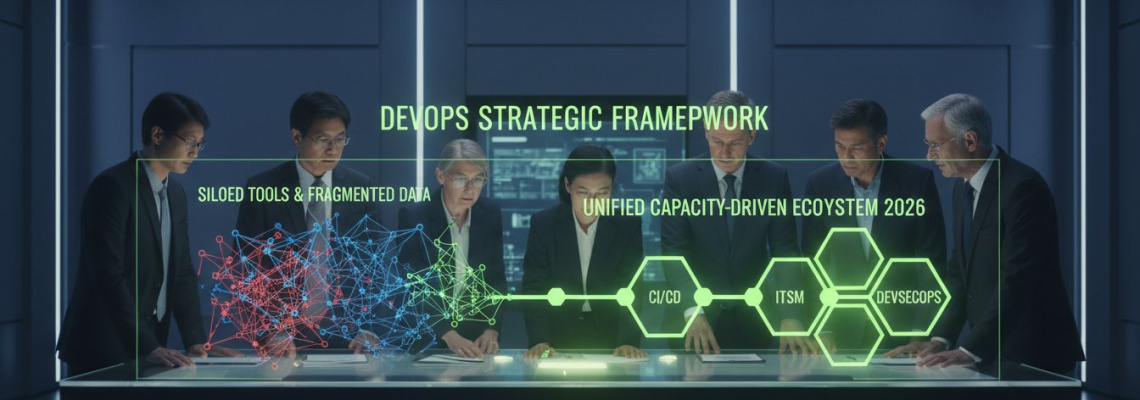

By 2026, 75% of global enterprises will struggle to realize the full value of their software investments because they treat their ecosystem as a static utility rather than a dynamic engine for growth. You’ve likely experienced the frustration of Jira workflows that create more bottlenecks than they solve, or perhaps you’re managing the 30% average increase in licensing waste that often occurs without expert oversight. Through strategic Atlassian Consulting, Test Triangle helps organizations move beyond simple tool configuration to drive high-level business outcomes that are both predictable and profitable. By aligning technical execution with corporate strategy, we ensure your infrastructure becomes a catalyst for institutional maturity.

We agree that the pressure to deliver flawless project visibility while mitigating security risks during complex Cloud migrations has never been higher. This guide promises to show you how to transcend basic administration by focusing on our core pillars: technology, talent, and transformation. You’ll discover the roadmap to building a unified, automated DevOps pipeline, establishing robust governance frameworks, and achieving seamless integration with platforms like ServiceNow to ensure your enterprise remains agile, secure, and scalable in a shifting landscape.

Key Takeaways

  • Learn to elevate your operations by shifting from basic Jira administration to a holistic strategic architecture that drives enterprise-wide digital transformation.
  • Discover how to leverage Atlassian Rovo (AI) and Cloud mastery to optimize team productivity and modernize your knowledge management framework.
  • Evaluate the total cost of ownership for your infrastructure and understand why professional Atlassian Consulting is essential for overcoming complex IT management hurdles.
  • Master a five-step transformation roadmap designed to ensure seamless migration, robust integration, and sustainable governance across your global IT infrastructure.
  • Explore how the strategic integration of specialized talent and advanced technology provides the robust foundation required for long-term operational stability and scalable growth.

Understanding Atlassian Consulting: From Tool Configuration to Strategic Architecture

By 2026, the definition of Atlassian Consulting has shifted from reactive technical support to proactive, strategic business advisory. It’s no longer sufficient for organizations to view their platform as a collection of isolated tickets; instead, they must treat it as the central nervous system of their digital enterprise. As global market volatility continues to demand agility, Atlassian Consulting provides the framework for businesses to scale without losing operational control. To understand the depth of this ecosystem, reviewing Atlassian’s history and products reveals a trajectory from simple developer tools to a comprehensive suite that powers 85% of the Fortune 500. This evolution necessitates a partnership that prioritizes long-term architecture over short-term fixes.

The transition from “Jira Admin” tasks to “Strategic Digital Transformation” initiatives marks a critical turning point for modern enterprises. While an admin focuses on user permissions and custom fields, a strategic consultant focuses on how data flows across departments to drive revenue. By leveraging Technology. Talent. Transformation., consultants ensure that the software aligns with the unique human capital and growth goals of the organization. This holistic approach is essential for navigating complex global scaling, where a single misconfigured workflow can ripple through a multinational’s supply chain, causing significant delays.

The Role of a Solution Partner in 2026

In the current landscape, a Solution Partner acts as a high-level strategic advisor rather than a mere service provider. These partners bridge the gap between technical features and business KPIs, ensuring that Jira Service Management or Confluence aren’t just “active,” but are actively contributing to a 15% or higher increase in team productivity. By utilizing flexible engagement models, a Solution Partner helps mitigate risks during massive cloud migrations, providing the steady hand needed in a fast-changing technological environment. They serve as the “Strategic Architect” who designs a robust infrastructure capable of supporting AI-driven automation and cross-functional transparency.

Why ‘Off-the-Shelf’ Jira is No Longer Sufficient

Using “out-of-the-box” configurations for complex enterprise workflows creates immediate technical debt. In fact, industry data from 2025 indicated that companies using default settings without governance experienced a 25% increase in operational friction within the first year of deployment. Poor platform governance leads to “configuration sprawl,” where redundant apps and messy permission schemes slow down the entire system. Atlassian Consulting is the bridge between software capability and executive strategy. By implementing a customized IT service management solution, businesses can optimize their workflows to ensure that their digital infrastructure is as agile as their market strategy requires.

By 2026, the Atlassian suite has transcended its origins as a developer toolkit to become a unified operating system for the modern enterprise. This evolution reflects Atlassian’s strategic pivot to enterprise, where Jira Software and Jira Service Management (JSM) function as the central nervous system for organizational agility. Expert Atlassian Consulting is now essential for orchestrating these tools into a cohesive fabric that supports both technical and business workflows. Organizations that successfully leverage this ecosystem report a 35% increase in cross-departmental velocity compared to those using siloed legacy platforms. By aligning project management with service delivery, businesses can maintain a single source of truth across the entire software development lifecycle.

Leveraging Agentic AI and Rovo for Workflow Automation

Atlassian Rovo represents a paradigm shift in how teams interact with institutional knowledge. By deploying specialized AI agents, consultants help enterprises automate routine DevOps and ITSM tasks that previously consumed 20% of an engineer’s weekly capacity. These agents don’t just search; they synthesize. They extract actionable insights from vast Confluence knowledge bases to provide real-time solutions for incident response or project onboarding. To ensure safety, we implement strict data permissioning frameworks that prevent generative AI tools from accessing sensitive PII or proprietary IP. Through our artificial intelligence services, we bridge the gap between raw data and intelligent automation while maintaining rigorous security standards.

Enterprise Cloud Migration: Security, Compliance, and Data Residency

Migrating to Atlassian Cloud in 2026 requires a sophisticated approach to data residency and regulatory compliance. For sectors like Finance and Pharma, the transition involves navigating complex legal requirements across global regions such as Dublin, Austin, and Hyderabad. We manage these complexities by configuring local data pinning and ensuring 99.99% uptime through robust hybrid-cloud architectures. Validating these migrations is critical; we often integrate manual testing in 2026 to verify that user permissions and compliance controls remain intact post-migration. This methodical validation ensures that your “Cloud First” mandate doesn’t compromise operational security or regulatory standing.

The 2026 iteration of ITSM within the Atlassian platform has moved toward a unified “Service for All” model. By integrating JSM with Rovo, departments like HR and Legal now benefit from the same structured workflows once reserved for IT. Achieving this level of maturity requires an Atlassian Consulting partner who understands the intersection of technology and business outcomes. If you’re ready to optimize your infrastructure and drive meaningful digital transformation, you can connect with our specialists to discuss your specific requirements.

Atlassian Consulting in 2026: A Strategic Guide to Enterprise Transformation

The Strategic Choice: In-House Management vs. Professional Atlassian Consulting

By evaluating the total cost of ownership (TCO), enterprises often discover that maintaining an internal Atlassian team carries significant hidden burdens. Beyond a base salary, which for a Senior Jira Specialist in Dublin averaged €84,000 in 2025, organizations must account for recruitment fees, continuous certification costs, and the 22% productivity loss typical during long onboarding cycles. Leveraging Atlassian Consulting allows firms to bypass these overheads while gaining immediate access to a collective brain trust rather than a single individual’s limited experience.

The most frequent objection from leadership is often, “Why can’t our IT team just manage this internally?” While internal IT departments excel at general infrastructure, they often fall into the generalist trap. Atlassian tools in 2026 are no longer simple ticket trackers; they’re complex, integrated ecosystems. A generalist IT team lacks the specialized architectural knowledge required to optimize high-performance instances, often leading to “Jira Sprawl.” This phenomenon, where fragmented workflows and redundant custom fields proliferate, can decrease cross-departmental efficiency by as much as 18% within 12 months of a botched rollout.

The global talent gap further complicates in-house management. The 2025 State of Agile Report indicated a 45% shortage in certified Atlassian Cloud Architects. Hiring a single expert creates a dangerous single-point-of-failure; if that individual leaves, the institutional knowledge of your entire workflow architecture vanishes. A Managed Service Provider model mitigates this risk by providing redundant expertise and documented governance, ensuring long-term operational stability. Before committing to any model, it’s worth reviewing current Managed Service Provider Subscription Fees to ensure your investment aligns with the strategic outcomes you require rather than subsidizing provider inefficiencies.

Comparing Delivery Models: Contract, Remote, and Managed Services

By integrating managed outsourcing services, organizations gain the ability to scale resources dynamically during peak transformation phases. Test Triangle acts as a Trusted Partner with a strategic presence in London and Dublin, providing a blend of local governance and global delivery. This hybrid approach offers the best of both worlds: the cultural alignment of local experts and the cost-efficiency of offshore technical teams. Through staffing solutions that emphasize flexible engagement models, businesses don’t just fill seats; they inject specific expertise exactly when it’s needed. This agility is central to our core philosophy: Technology. Talent. Transformation.

Risk Mitigation and Platform Governance

Professional consultants serve as the guardians of platform integrity. By enforcing standardized configurations, they prevent the technical debt that accumulates when untrained users create “workarounds” that break global reporting. Through a structured Atlassian implementation, consultants ensure that every data point is clean, allowing for real-time visibility across the enterprise. This level of precision is what drives true digital evolution. Ultimately, the ROI of Atlassian Consulting is the delta between tool cost and realized business velocity.

Implementing a Transformation Roadmap: Migration, Integration, and Governance

By integrating technical precision with strategic foresight, Test Triangle empowers enterprises to navigate complex migrations without compromising performance. Our Atlassian Consulting framework follows a disciplined 5-step strategic approach designed for the demands of 2026. This methodology begins with Discovery, where we audit legacy systems to identify bottlenecks. We then move to Design, creating a tailored architectural blueprint. The Implementation phase executes the migration using zero-downtime protocols, followed by Optimization to fine-tune configurations for maximum velocity. Finally, Managed Support provides the ongoing oversight necessary for long-term operational stability.

Maintaining operational continuity is a non-negotiable requirement for global organizations. Recent industry data indicates that 76% of IT leaders cite migration-related downtime as a primary risk to digital transformation. We mitigate this risk through phased deployments and parallel running environments. Our Atlassian implementation services ensure that your teams remain productive while the underlying infrastructure evolves. This alignment of IT capabilities with business goals is the hallmark of modern Digital Transformation Services, turning a technical upgrade into a catalyst for growth.

Atlassian and ServiceNow Integration: A Unified Service Strategy

Enterprises often struggle with fragmented data across disparate ITSM platforms. By leveraging the synergy between Jira Service Management and ServiceNow, organizations create a cohesive workflow that bridges the gap between development and operations. This integration establishes a “Single Pane of Glass,” allowing for 360-degree visibility into incident management and service delivery. It’s no longer about choosing one platform over the other; it’s about creating a unified ecosystem where data flows bi-directionally. For a comprehensive look at these frameworks, consult our ServiceNow Implementation Guide.

Establishing Scalable Governance and Compliance

A robust “Center of Excellence” (CoE) acts as the strategic heartbeat of your Atlassian ecosystem. It ensures that every Jira project or Confluence space adheres to global standards such as GDPR and HIPAA through automated platform controls. In a remote-first world, manual oversight is insufficient. We implement automated user lifecycle management and access security protocols that can reduce administrative overhead by 40%. This disciplined approach to Atlassian Consulting ensures that your tools scale alongside your business while maintaining a flawless security posture.

  • Automated Compliance: Real-time monitoring of data residency and privacy settings.
  • Standardized Workflows: Uniform project templates that ensure data consistency across departments.
  • Lifecycle Management: Automated onboarding and offboarding to secure the digital perimeter.

Technology. Talent. Transformation. As your Trusted Partner, we ensure your infrastructure is ready for the future. Speak with our strategic architects today to begin your roadmap.

Test Triangle: Your Trusted Partner for Atlassian Consulting and Talent

Test Triangle functions as the Strategic Architect for global IT infrastructures, bridging the gap between technical execution and high-level business objectives. By combining specialized Atlassian Consulting with flexible IT staffing models, we provide a comprehensive solution that addresses the three pillars of modern enterprise: Technology, Talent, and Transformation. Our methodology prioritizes risk mitigation and operational stability, positioning us as a reliable ally for C-suite executives and IT managers alike. We don’t simply deploy software; we build resilient digital frameworks that empower global teams to scale with confidence and precision.

Global Reach with Local Strategic Support

From our Dublin headquarters, we manage a strategic network that includes offices in London, Austin, and Hyderabad. This global presence allows us to serve the European and North American markets through a “follow-the-sun” support model, ensuring 99.9% availability for mission-critical systems. We bring specialized expertise to sectors like Pharmaceutical and Finance IT, where data integrity and regulatory compliance are essential. Our offshore resources provide the cost-efficiency enterprises demand, while our local consultants offer the strategic oversight necessary for complex digital shifts.

Beyond Implementation: Managed Support and Training

Achieving long-term ROI requires more than a successful initial rollout. It demands continuous platform optimization and a commitment to workforce development. Our managed outsourcing services ensure your Atlassian ecosystem evolves alongside your business, preventing the accumulation of technical debt. We prioritize structured training because internal data shows that organizations investing in formal education see a 35% increase in tool proficiency within the first six months. This approach transforms your Jira and Confluence environments from static tools into dynamic engines of innovation.

A partnership with Test Triangle means your organization benefits from a unified strategy that addresses technology and human capital simultaneously. By integrating technical expertise with specialized IT staffing, we provide the talent and the technical roadmap required for a flawless transformation. We remain a steady hand in the fast-changing landscape of 2026, ensuring your infrastructure is both robust and adaptable. Contact Test Triangle for a strategic Atlassian roadmap session to secure your enterprise’s digital future.

Future-Proofing Your Enterprise Strategy

By 2026, the gap between basic tool configuration and strategic architecture will determine an organization’s ability to scale. Gartner reports that 80% of enterprises will prioritize AI-driven operational workflows by this date, placing platforms like Rovo AI and Jira Cloud at the center of the modern workplace. Navigating this shift requires more than in-house management; it demands a rigorous focus on cloud mastery and governance. As an Atlassian Solution Partner headquartered in Dublin with global delivery centers, Test Triangle provides the stability needed for these transitions. We utilize our core pillars of Technology, Talent, and Transformation to deliver measurable results for global brands across complex sectors.

Securing professional Atlassian Consulting ensures your complex infrastructure is managed with precision. By aligning technical execution with high-level business outcomes, we help you mitigate risks and accelerate your transformation roadmap. It’s time to empower your teams with the tools and strategies they need to thrive in a fast-changing environment. You don’t have to face these technical hurdles alone.

Elevate your enterprise strategy with Test Triangle’s Atlassian Consulting

We’re ready to help you build a more resilient and integrated future.

Frequently Asked Questions

What exactly does an Atlassian Consultant do for an enterprise?

An Atlassian Consultant acts as a strategic architect who aligns your technical stack with specific business objectives. They design custom workflows in Jira, configure Confluence for knowledge management, and ensure security compliance across all platforms. By leveraging Atlassian Consulting services, enterprises reduce operational friction by 30% through automated governance. These experts don’t just install software; they build scalable ecosystems that support global digital transformation and long-term stability.

How much do Atlassian consulting services typically cost in 2026?

Market rates for specialized consulting typically range from $150 to $300 per hour based on 2024 industry benchmarks from major technology analysts. Costs vary depending on project complexity, such as multi-instance consolidations or custom API integrations. Enterprises often see a 200% return on investment within 18 months by optimizing license usage and reducing tool sprawl. We focus on flexible engagement models that prioritize technical rigor and cost efficiency for the client.

Can Atlassian consultants help with Cloud migration from Server or Data Center?

Consultants specialize in executing seamless migrations from legacy Server or Data Center environments to Atlassian Cloud. They use the Cloud Migration Assistant to move data while ensuring 100% uptime for critical business functions. By conducting a pre-migration audit, they identify app redundancies that can save 15% in annual subscription fees. This strategic approach mitigates risks during complex data transfers. It ensures your transformation remains robust and secure throughout the entire process.

What is the difference between an Atlassian Expert and a Solution Partner?

An Atlassian Solution Partner is an officially vetted organization that meets rigorous training and sales requirements set by Atlassian. While an individual expert might possess technical knowledge, a Solution Partner provides institutional maturity and direct access to Atlassian’s internal product teams. Partners manage complex deployments for 5000+ user instances. They offer a professional framework for digital transformation that solo contractors cannot match. This creates a superior level of reliability for global brands.

How do Atlassian tools integrate with ServiceNow for ITSM?

Integration occurs through bi-directional connectors that sync Jira Service Management tickets with ServiceNow incidents in real-time. This setup allows DevOps teams to stay in Jira while IT operations manage broader enterprise requests in ServiceNow. By automating this data flow, organizations reduce mean time to resolution (MTTR) by 25%. It creates a flawless bridge between specialized engineering tasks and enterprise-wide service delivery. This integration is a cornerstone of modern, high-velocity IT service management.

Is it better to hire a full-time Jira Admin or use a consulting partner?

Hiring a consulting partner provides access to a diverse team of specialists rather than relying on a single person’s skill set. While a full-time admin handles daily maintenance, a partner offers strategic foresight for scaling and complex upgrades. Reports from 2025 indicate that 65% of enterprises prefer hybrid models to balance internal agility with external expertise. It’s a more scalable way to drive technical excellence. Partners provide the talent needed for rapid transformation.

How does Atlassian Rovo AI impact the implementation of Jira and Confluence?

Atlassian Rovo AI accelerates information discovery by using specialized agents to search across third-party tools like Slack and Google Drive. During implementation, it helps teams find 40% more relevant documentation without leaving their primary workspace. Consultants use Rovo to automate repetitive data entry and summarize long project threads. This technology elevates productivity by turning static documentation into actionable intelligence. It represents the next step in the evolution of the Strategic Architect’s toolkit.

What should we look for when choosing an Atlassian consulting partner in Dublin?

Look for a partner with a local presence and a proven track record in sectors like Banking or Life Sciences. They should be a client of Enterprise Ireland to ensure they meet high standards of operational stability and growth. Technical certifications are vital, but their ability to deliver Atlassian Consulting through flexible engagement models is what drives success. A Dublin-based partner understands the local regulatory landscape and provides on-site support. This ensures a trusted partnership for your journey.

Paul Guy

Article by

Paul Guy

Paul serves as the Marketing Director at Test Triangle, where he leads a global team in driving growth through strategic B2B marketing and brand communications. With a strong emphasis on measurable outcomes and sustainable performance, he plays a pivotal role in aligning marketing functions to enhance customer engagement and accelerate business impact. Under his leadership, marketing initiatives have consistently delivered significant returns on investment, elevated brand visibility, and strengthened the company's presence across key markets.
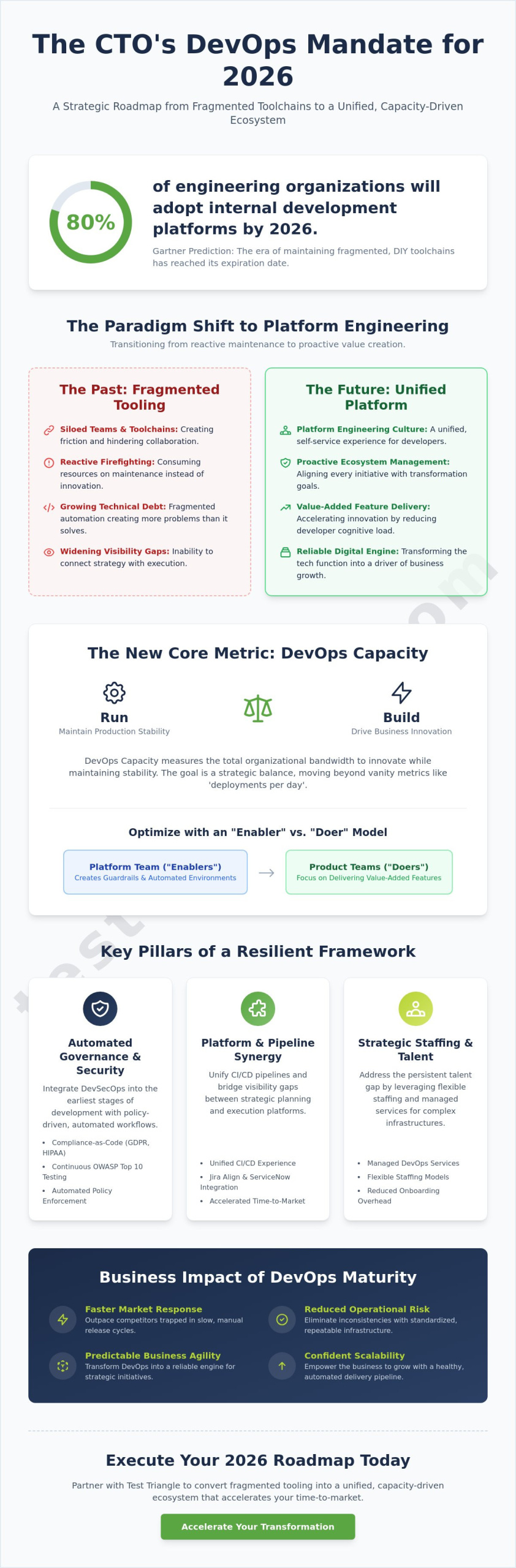

By 2026, the financial burden of managing technical debt will consume 40% of the average enterprise IT budget, effectively paralyzing innovation for any organization relying on fragmented Digital Transformation Services. You already understand that reconciling application sprawl with rigid compliance requirements often leads to significant business disruption during cloud transitions. It’s a delicate balance that requires more than just new software; it requires a steady hand to maintain continuity. At Test Triangle, we believe that true agility isn’t found in tools alone but in the strategic orchestration of complex ecosystems.

As your Trusted Partner, we promise to show you how a disciplined synergy of technology, talent, and transformation drives measurable ROI while ensuring long-term operational stability. By aligning robust DevOps practices with Jira Service Management and other high-tier ITSM platforms, global enterprises can finally eliminate silos and accelerate delivery cycles. This roadmap previews how to leverage flexible staffing models and intelligent automation to reduce operational costs by 30% and achieve a seamless infrastructure for the years ahead. Technology. Talent. Transformation.

Key Takeaways

  • Understand the pivotal shift from “Cloud-First” to “Value-First” strategies, ensuring your organizational evolution prioritizes measurable ROI and long-term operational stability.
  • By leveraging our specialized Digital Transformation Services, enterprises can synchronize technology and talent to eliminate fragmented infrastructure and accelerate global agility.
  • Evaluate the strategic integration of Atlassian, ServiceNow, and AWS to create robust, automated workflows that empower a modern and distributed workforce.
  • Gain actionable insights from real-world case studies demonstrating how a multi-phase DevOps roadmap can successfully modernize complex, high-stakes IT environments.
  • Learn to identify a trusted partner by prioritizing institutional maturity and specialized industry knowledge to mitigate risks in sensitive sectors like Life Sciences.

What are Digital Transformation Services in the 2026 Landscape?

By integrating advanced technological frameworks with organizational culture, Digital Transformation Services enable global enterprises to pivot from rigid legacy structures to agile, value-driven operations. This evolution is no longer about simple digitization; it’s about a fundamental shift in how value is delivered across the entire business ecosystem. By 2026, the global economy has moved from “Cloud-First” strategies, which often resulted in uncontrolled spending, to “Value-First” models. Recent data from IDC indicates that 65% of G2000 organizations now prioritize specific business outcomes over infrastructure migration alone to ensure long-term financial viability.

To ensure your strategy aligns with these value-driven models, you can learn more about AEConsulting and their strategic advisory services.

In sectors like Banking and Life Sciences, the stakes remain exceptionally high. These industries often rely on legacy systems that are over 25 years old. They require specialized transformation approaches that respect strict regulatory compliance while introducing modern flexibility. By leveraging the expertise of a Trusted Partner, these organizations can modernize without disrupting critical patient care or financial transactions. Managed Service Providers (MSPs) play a vital role here. They ensure post-transformation stability by providing the continuous oversight needed to maintain peak performance. This holistic approach combines Technology, Talent, and Transformation to secure a competitive edge in a volatile market.

The Core Pillars of Modern Transformation

Infrastructure Modernisation now moves beyond simple lift and shift strategies. It focuses on cloud-native architectures that allow for near-instant scalability. Data Intelligence has also evolved. By utilizing AI and DataOps, executives can now access real-time insights that drive strategic decision-making. Operational Resilience ensures that systems are robust enough to withstand global market fluctuations and security threats. Since 2024, cyber-resilience has become a non-negotiable component of any successful transformation roadmap.

The 2026 ROI Reality Check

The metrics for success have shifted. Companies now prioritize value-creation metrics over traditional cost-cutting measures to measure the health of their digital investments. A primary barrier to this agility is Application Sprawl. Industry audits from 2025 show that 38% of SaaS spend is wasted on redundant or underutilized tools. Identifying these inefficiencies is the first step toward reclaiming operational speed and improving the bottom line. Digital Transformation is the intersection of operational efficiency and technological innovation.

This spirit of innovation is not limited to the tech sector; forward-thinking consumer brands are also redefining their industries with bold, modern concepts. To see how this translates to a contemporary dining experience that fuels the modern workforce, you can learn more about Tacoverse.

The Test Triangle Framework: Technology, Talent, and Transformation

By integrating a triad of core competencies, Test Triangle ensures that Digital Transformation Services move beyond theoretical planning into operational reality. Technology alone rarely solves structural inefficiency; real progress requires a Strategic Architect approach to bridge the gap between legacy systems and modern cloud environments. By deploying flexible engagement models, enterprises can toggle between offshore, remote, and onsite staffing as project demands fluctuate. This agility reduces overhead while maintaining a steady velocity for complex IT ecosystems.

Aligning DevOps engineering with broader business objectives accelerates time-to-market. When engineering teams prioritize business outcomes over mere ticket completion, deployment frequency can increase significantly. Based on 2024 DORA metrics, high-performing teams see 200 times more frequent code deployments than their peers. This strategic alignment ensures every sprint contributes directly to the enterprise’s bottom line.

Technology: Leveraging Global Standards

By anchoring digital infrastructure in platforms like Atlassian, ServiceNow, and AWS, organizations build a unified digital backbone. Authorized partner expertise is critical because it transforms a standard platform deployment into a customized engine for growth. Test Triangle ensures flawless execution by applying rigorous automation and performance testing. This methodology eliminates manual errors and secures the robust performance required for 2026 enterprise standards. Utilizing Digital Transformation Services that prioritize platform customization allows for a 30 percent improvement in operational efficiency according to recent industry benchmarks.

Talent: The Human Engine of Change

The global IT talent gap is projected to reach 85 million people by 2030, according to research by Korn Ferry. Test Triangle solves this through specialized recruitment and the Managed Staffing model. Unlike traditional recruitment, this model provides ongoing oversight and performance management, ensuring that resources remain aligned with the client’s long-term roadmap.

Pharma IT staffing requires a different pedagogical approach than general tech staffing. It demands a deep understanding of GxP compliance and validated systems that generalists lack. By sourcing niche experts who understand these regulatory nuances, businesses can leverage specialized Digital Transformation Services to maintain regulatory integrity while innovating. This specialized focus reduces the risk of compliance failures, which can cost life sciences firms millions in potential fines and delayed product launches.

Digital Transformation Services: A Strategic Roadmap for Enterprise Agility in 2026

Platform Selection: Atlassian, ServiceNow, and AWS Integration

By aligning technical architecture with long-term business goals, enterprises ensure their Digital Transformation Services yield measurable ROI rather than just incremental change. Selecting the right platform isn’t merely a procurement decision; it’s a strategic commitment to an operational engine. Through precise ServiceNow implementation, organizations transform IT Service Management (ITSM) from a reactive cost center into a proactive value driver. According to the 2024 ServiceNow Value Report, companies leveraging automated workflows see a 30% reduction in Mean Time to Resolution (MTTR), directly enhancing the modern workforce’s productivity.

Atlassian consulting provides the necessary framework to bridge the historical gap between development and operations teams. By deploying Jira Service Management, businesses accelerate deployment cycles by up to 40%, creating a unified language for technical and non-technical stakeholders. Building on this, AWS Cloud Migration offers the elastic foundation required for 2026’s data-intensive applications. Flexera’s 2024 State of the Cloud Report indicates that 69% of IT leaders now prioritize heavy cloud migration to achieve the scalability needed for AI-driven Digital Transformation Services.

  • ServiceNow: Best for orchestrating complex enterprise-wide workflows and cross-departmental service delivery.
  • Atlassian: Ideal for high-velocity software teams requiring deep integration between project management and incident response.
  • AWS: The essential infrastructure layer for hosting microservices and managing global data footprints.

Choosing the Right Engine for Your Transformation

Deciding when to prioritize specific platforms depends on the organization’s primary friction points. If the goal is enterprise-wide workflow automation across HR, legal, and IT, ServiceNow offers the most robust governance. Conversely, software-centric organizations find a strategic advantage in Atlassian’s ecosystem, where Jira’s agility supports rapid iteration. For those maintaining legacy hardware, hybrid-cloud strategies combining AWS with on-premise requirements provide a low-risk path toward modernization without disrupting core stability.

The Power of Integrated Ecosystems

Breaking down silos requires more than just new software; it demands functional interoperability. Integrating ServiceNow with AWS drives cross-departmental efficiency by allowing automated infrastructure provisioning directly from service tickets. For Atlassian users, the case for Atlassian Cloud Migration is increasingly clear. Forrester’s 2023 Total Economic Impact study shows that cloud-migrated teams experience a 20% reduction in administrative overhead while gaining superior security and instant access to feature updates. A Trusted Partner acts as the strategic intermediary that translates complex technical features into sustainable business outcomes through rigorous platform optimization. By focusing on Technology. Talent. Transformation., Test Triangle ensures these ecosystems don’t just exist, but excel.

Case Study: Modernising Global Operations for a High-Stakes Enterprise

Facing the complexities of a global market, a high-stakes enterprise recently sought to rectify its fragmented IT infrastructure. This organization, a leader in the financial services sector, struggled with 18 disparate legacy systems that hampered data flow and slowed response times. By partnering with Test Triangle, they moved away from siloed operations toward a unified, agile environment. This strategic shift was not merely a technical upgrade; it was a total overhaul designed to ensure long-term operational stability and market competitiveness through tailored Digital Transformation Services.

Phase 1: Strategic Technology Roadmapping

By conducting a comprehensive 6-week audit of the client’s existing technical debt, our team identified 45 redundant applications that were draining resources without adding value. We acted as a Strategic Architect, mapping out a roadmap that prioritized the decommissioning of obsolete software while identifying key performance indicators (KPIs) to measure success. These metrics focused on Mean Time to Recovery (MTTR) and deployment lead times. To mitigate risks, we established a robust security and compliance framework that aligned with ISO 27001 standards, ensuring that every step of the transformation remained secure and audit-ready.

Phase 2: Execution and Talent Integration

Leveraging our flexible engagement models, we deployed a specialized team of offshore DevOps engineers to accelerate the development of a modern CI/CD pipeline. This talent integration allowed the client to scale their technical capabilities without the overhead of local hiring. We implemented automated testing services to replace manual, error-prone cycles, ensuring superior software quality across all business units. To further eliminate release bottlenecks that were stalling delivery, the enterprise also evaluated outsourced QA services as a force multiplier for their internal testing teams. By utilizing Atlassian tools such as Jira Service Management and Confluence, we provided a transparent project management environment. This ensured that stakeholders had real-time visibility into the transformation’s progress, fostering a culture of accountability and precision.

The results of this collaboration underscore the power of our core philosophy: Technology. Talent. Transformation. Within the first 12 months of implementation, the enterprise achieved a 30% reduction in annual operational costs. Furthermore, the frequency of software deployments increased from once per quarter to twice per week, representing a significant boost in enterprise agility. This transition allowed the client to respond to market shifts in days rather than months, securing their position as a modern digital leader.

As a Trusted Partner, Test Triangle provides the strategic oversight and technical depth required to optimize your legacy environment. Explore our Digital Transformation Services

Selecting Your Digital Transformation Services Partner

By prioritizing a blend of global reach and local technical expertise, enterprises can secure Digital Transformation Services that don’t just innovate but also stabilize. Selecting a partner in 2026 requires looking beyond basic technical proficiency to find “Institutional Maturity.” This trait ensures a provider understands the complex regulatory frameworks of sectors like Life Sciences or Banking, where a single compliance error can result in millions of euros in fines. By aligning with a partner that possesses deep industry-specific knowledge, businesses can mitigate 100% of the risks associated with GxP compliance and data integrity standards.

Flexible engagement models are another non-negotiable factor for long-term scalability. As market conditions shift, your partner must offer the agility to pivot from a pure consultancy role to a full-scale technical delivery team. This versatility prevents the “vendor lock-in” that frequently stalls growth in 40% of enterprise-level projects. By combining high-level strategic oversight with on-demand technical talent, Test Triangle provides the steady hand required to maintain operational equilibrium during rapid shifts in the technological landscape.

The Trusted Partner Checklist

By conducting a rigorous audit of potential partners, IT leaders can ensure their Digital Transformation Services are built on a foundation of recognized excellence. Use the following criteria to evaluate your options:

  • Certifications and Partnerships: Verify that the firm is an authorized partner for Atlassian, ServiceNow, and AWS. These credentials guarantee that your team is leveraging the full power of Jira Service Management and cloud-native architectures.
  • Industry Experience: Ensure they have a proven track record in your specific niche. In the Life Sciences sector, for example, they must demonstrate an understanding of validated systems and regulatory nuances.
  • Scalability: A true partner provides more than just a roadmap; they provide the specialized talent to execute it. They should offer the capacity to scale your technical workforce by 50% or more within a single quarter if project demands increase.

Drive Your Transformation Today

Initiating your journey begins with a structured discovery session designed to audit your legacy environment and identify immediate automation opportunities. By launching a 90-day pilot project, your organization can demonstrate tangible ROI, often achieving a 25% reduction in manual processing times before a full-scale rollout begins. This phased approach allows for the “fail-fast” mentality required for modern agility without risking the stability of your core business functions.

Test Triangle stands ready to serve as your Strategic Architect in an increasingly complex world. We don’t just provide tools; we provide the visionary leadership and practical execution needed to turn your digital roadmap into a competitive advantage. Reach out to our consultants today to begin your evolution. Technology. Talent. Transformation.

Securing Your Competitive Advantage for 2026

Navigating the complex 2026 landscape requires more than just adopting new software; it demands a holistic integration of Atlassian, ServiceNow, and AWS to ensure operational fluidity. By leveraging the Test Triangle framework of Technology, Talent, and Transformation, global enterprises bridge the gap between legacy systems and modern agility. Selecting the right Digital Transformation Services partner is the final, most critical step in this strategic journey. As an Authorized Atlassian and ServiceNow Partner, Test Triangle provides the technical rigor needed to support Fortune 500 companies within the Finance and Life Sciences sectors. With global delivery centers operating in Dublin, London, and Hyderabad, we ensure around-the-clock strategic support and localized expertise. By aligning robust platform integrations with a culture of continuous improvement, your organization can achieve the enterprise agility required for the 2026 marketplace. It’s time to turn your strategic roadmap into a tangible competitive advantage and lead your industry with confidence.

Partner with Test Triangle for your Digital Transformation journey

Frequently Asked Questions

What are the primary benefits of digital transformation services for large enterprises?

Enhanced operational agility and data-driven decision-making are the primary benefits for large organizations. By integrating Digital Transformation Services, enterprises can reduce time-to-market by 30% according to McKinsey reports. This strategic shift allows organizations to leverage real-time analytics to optimize supply chains and elevate customer experiences across global touchpoints. We help you transition from legacy constraints to a flexible, scalable architecture.

How does Test Triangle ensure business continuity during a cloud migration?

Test Triangle ensures business continuity by utilizing a phased migration approach backed by 24/7 monitoring. By leveraging Atlassian and ServiceNow integrations, we maintain 99.9% uptime during the transition. Our consultants implement robust disaster recovery protocols that guarantee data integrity. Your critical systems remain operational while we migrate legacy workloads to the cloud, providing a flawless transition without service interruptions.

What is the difference between digital transformation and simple IT modernization?

Digital transformation involves a fundamental cultural and operational shift, whereas IT modernization focuses solely on upgrading legacy hardware or software. Modernization might replace a server, but transformation leverages technology to redefine the entire business model. According to Gartner, 91% of businesses are engaged in digital initiatives. Only those who integrate talent and technology achieve true enterprise agility through a strategic, vision-led approach.

How do you manage compliance and security in digital transformation for the pharmaceutical industry?

We manage compliance by implementing GxP-compliant frameworks and automated validation tools within the digital ecosystem. By integrating Jira Service Management with strict audit trails, Test Triangle ensures every software update meets FDA 21 CFR Part 11 requirements. This strategic approach mitigates risk while accelerating the deployment of critical life sciences applications. We prioritize security to ensure your data remains protected in highly regulated environments.

Why is talent acquisition a critical component of digital transformation services?

Talent acquisition is a critical component because 70% of digital initiatives fail due to a lack of skilled personnel according to BCG data. Successful Digital Transformation Services require a blend of technical expertise and strategic vision that internal teams often lack. By securing specialized talent through our flexible engagement models, organizations bridge the skills gap. This ensures that new technologies are adopted effectively across the enterprise.

Can digital transformation services help in reducing long-term IT maintenance costs?

Yes, digital transformation reduces long-term maintenance costs by replacing fragmented legacy systems with scalable, automated cloud infrastructures. Organizations often see a 20% reduction in operational expenditures within the first 24 months. By optimizing workflows and leveraging AI-driven analytics, enterprises eliminate the technical debt that typically consumes 60% of corporate IT budgets. This shift allows you to reallocate resources toward innovation rather than upkeep.

How long does a typical enterprise-level digital transformation project take?

A typical enterprise-level digital transformation project spans 12 to 24 months depending on the complexity of the infrastructure. While initial pilot phases deliver measurable results within 6 months, achieving full organizational agility requires a multi-year roadmap. Test Triangle utilizes a methodical framework to deliver incremental value throughout this timeline. We ensure that strategic objectives are met at every milestone while maintaining operational stability.

What role does DevOps play in a successful digital transformation strategy?

DevOps acts as the engine for continuous delivery by bridging the gap between development and operations teams. By implementing automated CI/CD pipelines, businesses increase deployment frequency by 200 times compared to traditional models. This collaboration is essential for a successful strategy because it fosters a culture of stability and rapid innovation. We leverage tools like Jira to accelerate software delivery and ensure a robust digital landscape. Enterprises looking to further strengthen their release confidence should also explore a quality assurance outsourcing strategy to scale AI-augmented testing capabilities alongside their DevOps pipelines.

Paul Guy

Article by

Paul Guy

Paul serves as the Marketing Director at Test Triangle, where he leads a global team in driving growth through strategic B2B marketing and brand communications. With a strong emphasis on measurable outcomes and sustainable performance, he plays a pivotal role in aligning marketing functions to enhance customer engagement and accelerate business impact. Under his leadership, marketing initiatives have consistently delivered significant returns on investment, elevated brand visibility, and strengthened the company's presence across key markets.