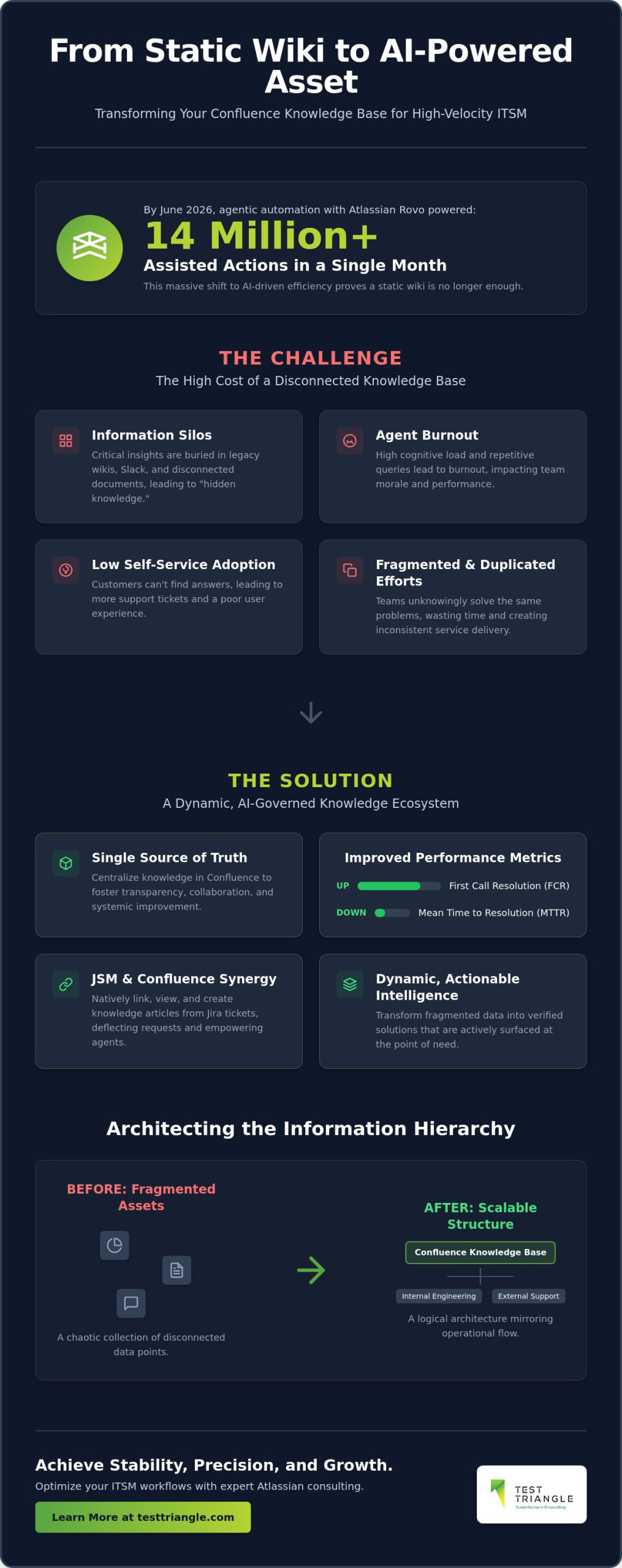
Did you know that by June 2026, agentic automation powered by Atlassian Rovo supported more than 14 million assisted actions in a single month? This massive shift toward AI-driven efficiency highlights a critical reality for global enterprises: a static wiki is no longer enough to support modern service delivery. To maintain operational stability, your organization needs a robust confluence knowledge base for itsm that functions as a dynamic, AI-governed engine rather than a forgotten digital archive.

We recognize that information silos across Slack and legacy wikis often lead to low self-service adoption and agent burnout, creating a fragmented landscape that hinders organizational progress. This guide demonstrates how to transform these disparate data points into a high-velocity asset by leveraging strategic Atlassian governance to drive precision, performance, and progress. You’ll discover the methodology required to establish a single source of truth, increase first-call resolution rates, and secure a seamless integration between Jira Service Management and Confluence. By bridging the gap between technical execution and business outcomes, we’ll outline a path toward a scalable, secure, and sophisticated knowledge ecosystem that empowers your workforce and satisfies your customers.

Key Takeaways

  • Understand the evolution from static documentation to a dynamic ecosystem, positioning a confluence knowledge base for itsm as a high-velocity asset that drives organizational progress.
  • Master the architectural principles of information hierarchy to establish a scalable source of truth that bridges the gap between internal engineering and external support.
  • Harness the capabilities of Atlassian Rovo to eliminate information silos, enabling teams to surface critical insights across fragmented SaaS tools with AI-driven precision.
  • Follow a structured implementation roadmap to audit and transition legacy assets into optimized templates that reduce agent burnout and accelerate resolution.
  • Leverage strategic Atlassian consulting to achieve the stability, precision, and growth necessary for managing complex digital infrastructures.

The Strategic Role of a Confluence Knowledge Base in Modern ITSM

In the high-velocity environment of 2026, the traditional wiki has evolved into a sophisticated engine for operational stability. A confluence knowledge base for itsm is no longer a passive repository of “how-to” articles; it’s a strategic asset that powers the entire service lifecycle. By 2026, the paradigm has shifted from static documentation to dynamic knowledge sharing. This evolution ensures that information isn’t just stored but is actively surfaced at the point of need, transforming fragmented data into actionable intelligence. This transition is essential for organizations aiming to achieve institutional maturity and maintain a competitive edge in complex digital landscapes.

Effective knowledge management serves as a cornerstone of the ITIL 4 Service Value System, ensuring that every service interaction contributes to value co-creation. When teams integrate their knowledge assets directly into IT Service Management (ITSM) frameworks, the impact on performance metrics is profound. We see a direct correlation between advanced knowledge governance and improvements in First Call Resolution (FCR) and Mean Time to Resolution (MTTR). By providing agents with immediate access to verified solutions, enterprises reduce the cognitive load on staff, mitigate agent burnout, and deliver the peace of mind that comes from predictable, high-quality service outcomes.

Breaking Down Information Silos in Global Enterprises

Fragmented data remains a significant barrier to organizational progress. In many global enterprises, critical insights are often buried within legacy wikis, disconnected PDF repositories, or transient chat histories. These silos create “hidden knowledge” that is inaccessible to the broader team, leading to duplicated efforts and inconsistent service delivery. Confluence acts as a unified layer that bridges these gaps, providing a single source of truth for cross-functional DevOps and IT teams. This centralized approach fosters a culture of transparency and collaboration, allowing organizations to capitalize on their collective expertise and drive systemic improvement through stability, precision, and growth.

The Symbiosis of Jira Service Management and Confluence

The native integration between Jira Service Management and Confluence creates a powerful synergy that redefines the agent and customer experience. Within the agent workspace, team members can view, link, or even create knowledge articles directly from a ticket, ensuring that the confluence knowledge base for itsm stays current with real-world issues. Simultaneously, customer portals leverage this data to deflect incoming requests by suggesting relevant articles as users type their queries. Implementing professional IT Service Management solutions ensures this integration is optimized for high-velocity delivery, allowing your organization to scale its support capabilities without a linear increase in headcount. This collaborative framework positions your company as a reliable long-term partner capable of navigating the complexities of modern digital infrastructure.

Architecting the Information Hierarchy for High-Velocity Service Delivery

Establishing a high-performance confluence knowledge base for itsm requires a logical architecture that mirrors your organization’s operational flow rather than just a collection of documents. By designing a scalable space structure that distinguishes between internal engineering documentation and external customer support content, enterprises can ensure that technical staff and end-users access the precise information they require without cognitive overhead. This structural precision is supported by rigorous naming conventions and metadata standards, which empower search algorithms to surface relevant articles with surgical accuracy. When sensitive technical data is involved, utilizing page restrictions and granular permissions becomes a critical component of your risk reduction strategy, maintaining security without sacrificing the speed of service delivery.

Preventing “knowledge rot” is a primary challenge for global organizations, requiring a proactive content lifecycle policy that identifies and archives outdated entries. Without these safeguards, the accumulation of irrelevant documentation can lead to agent confusion and increased resolution times. Implementing a structured hierarchy allows your team to move from a state of reactive information gathering to a proactive, solution-oriented environment. If you’re looking for guidance on refining these structures, discussing your knowledge architecture with our specialists can provide the clarity needed for long-term success.

Designing Spaces for Scalability and Precision

Strategic space organization begins with a clear distinction between Global Knowledge Spaces, which house universal policies, and Departmental Workspaces, which contain specialized technical insights. By employing Space Categories, administrators can organize content for different user personas, ensuring that a DevOps engineer and a front-office clerk see the most relevant data for their specific roles. Integrating Atlassian implementation best practices during the initial setup phase ensures that the technical architecture remains resilient as your digital infrastructure evolves, providing a steady hand in a fast-changing technological landscape.

Implementing Robust Governance and Content Lifecycle

Knowledge Governance is the systematic oversight of content accuracy and relevance. This discipline requires clearly defined roles, including Knowledge Owners who oversee space strategy, Subject Matter Experts (SMEs) who verify technical accuracy, and Knowledge Managers who facilitate the overall flow of information. To maintain institutional maturity, we recommend a 90-day review cycle for critical ITSM documentation, such as Runbooks and Post-Incident Reports (PIRs). Adhering to these ensures that your confluence knowledge base for itsm remains a reliable, high-velocity asset that supports operational stability and empowers your workforce through large-scale technological evolution.

Leveraging Atlassian Intelligence and Rovo for Knowledge Discovery

In the high-velocity technological landscape of 2026, the ability to surface relevant information across disparate platforms has become the defining characteristic of an elite service desk. Atlassian Rovo serves as a sophisticated AI operating layer that connects work and knowledge, not just within your confluence knowledge base for itsm, but across more than 50 connected third-party applications. By June 2026, Rovo supported more than 14 million assisted actions in a single month, demonstrating its maturity as a tool for global enterprises. This AI-driven discovery engine understands user intent with surgical precision, ensuring that customers find exact solutions through self-service portals while agents receive real-time recommendations during active incident management. By integrating these capabilities, organizations can move beyond simple keyword searches to a model of intelligent knowledge surfacing that significantly reduces cognitive load.

While the benefits are substantial, we recognize the inherent risks associated with AI-generated content, particularly regarding technical accuracy. Addressing the challenge of “AI Hallucinations” requires a disciplined human-in-the-loop validation process where Subject Matter Experts (SMEs) verify AI-drafted articles before they’re published to the wider organization. This strategic oversight ensures that while Atlassian Intelligence handles the heavy lifting of summarization and tone adjustment, the technical integrity of your documentation remains uncompromised. Adhering to these ITIL best practices ensures that AI remains a tool for augmentation rather than a source of operational risk.

Rovo: The AI Search Engine for the Modern Enterprise

Rovo’s ability to index data from third-party applications like Slack, Google Drive, and GitHub eliminates the friction of context switching by providing a unified search experience. Beyond simple discovery, Rovo Agents can be deployed to automate repetitive knowledge tasks, such as identifying and updating “Known Errors” based on recent deployment logs or developer commits. For organizations looking to bridge the gap between development and operations, our insights on DevOps Consulting offer a blueprint for integrating these AI agents directly into the CI/CD pipeline. This systemic improvement allows your team to maintain a high-velocity confluence knowledge base for itsm that evolves at the same pace as your software delivery.

Enhancing the Agent Experience with Atlassian Intelligence

Atlassian Intelligence provides a suite of internal tools designed to accelerate agent workflows, such as the ability to draft comprehensive Post-Incident Reports (PIRs) directly from Jira ticket history. This feature extracts key timelines, root causes, and resolution steps, allowing agents to focus on strategic improvements rather than administrative documentation. Additionally, the “Smart Links” feature provides instant context for technical terms or internal projects without requiring the user to leave the page. Ultimately, AI in ITSM is a force multiplier that converts raw data into actionable intelligence at the point of service. This approach empowers technical managers and executive leadership alike by fostering an environment of institutional maturity and operational stability.
Confluence Knowledge Base for ITSM: A Strategic Guide to Enterprise Knowledge Management in 2026

Implementation Roadmap: Transitioning from Static to Dynamic Knowledge

Transitioning to a high-velocity confluence knowledge base for itsm requires more than a simple data transfer; it demands a structured audit of existing assets to identify critical gaps in technical documentation. By analyzing legacy wikis, shared drives, and disconnected repositories, organizations can determine which assets remain relevant and which require immediate decommissioning to prevent information bloat. Once this audit is complete, selecting and customizing ITSM-specific templates, such as standardized “How-to” guides, “Known Errors” logs, and “Change Plans,” ensures that all future content adheres to a consistent, professional standard. This methodical approach establishes a foundation for operational stability and systemic improvement across the entire service value chain.

Executing a phased migration strategy is essential for minimizing operational downtime during large-scale digital transformations. We recommend launching a pilot program with a “Champion Team,” a small, versatile group of technical experts who can refine the structure and workflows before a global rollout occurs. To measure the success of this transition, enterprises must establish clear KPIs for knowledge health. Metrics such as “Article Usefulness” scores and “Deflection Rate” provide tangible evidence of the system’s impact on service efficiency, ensuring that technical managers and executive leadership can track organizational progress with precision. This disciplined framework allows for the combination of human expertise and technical tools to deliver a superior service experience.

The Data Migration and Cleanup Phase

A critical component of this roadmap is the “ROT” analysis, which requires teams to Remove, Outdate, or Transform legacy content. This process ensures that the new environment isn’t polluted with redundant or trivial information that could lead to agent burnout. During the technical migration, preserving link integrity is paramount to prevent broken cross-references that frustrate both agents and customers. Leveraging Software and Digital Assurance Testing ensures data parity after the migration, confirming that the technical architecture remains robust and secure. This level of rigor is what distinguishes a seasoned expert from a mere service provider in the complex landscape of enterprise IT.

Training and Cultural Adoption Strategies

Sustainable success relies on shifting the organizational mindset from “Knowledge is Power” to “Knowledge Sharing is Power.” Adopting a Knowledge Centered Service (KCS) methodology encourages continuous content creation as a natural byproduct of the problem-solving process, ensuring the confluence knowledge base for itsm remains a living asset. To drive this cultural evolution, we propose gamification strategies that reward Subject Matter Experts (SMEs) for their contributions and peer-reviewed accuracy. This approach fosters a spirit of partnership and support, ensuring that knowledge management becomes a core competency of the enterprise, ultimately delivering stability, scalability, and success. If your organization is ready to modernize its service delivery, consult with our Atlassian experts to begin your strategic implementation roadmap today.

Optimizing ITSM Workflows with Test Triangle’s Atlassian Consulting

Test Triangle operates as a strategic visionary in the Atlassian ecosystem, providing the high-level expertise required to transform a standard confluence knowledge base for itsm into a bespoke enterprise asset. While the technical tools provide the framework, it’s our deep institutional maturity that allows us to align these platforms with your specific business outcomes. By leveraging our “Partner Approach” to digital transformation, we ensure that every configuration choice serves the dual goals of risk reduction and operational stability. This expert oversight significantly reduces the “Time to Value” for new deployments, allowing global enterprises to bypass common implementation pitfalls and achieve immediate systemic improvement. Our methodology connects technical rigor with a deep understanding of your operational needs, ensuring that the transition from fragmented information to a unified truth is both seamless and sustainable.

We don’t just implement software; we engineer environments that foster collaboration and empower your workforce through human expertise and technical tools. This collaborative framework positions our team as a steady hand in a fast-changing technological landscape, emphasizing organizational progress through a combination of precision, performance, and progress. As a reliable long-term collaborator, we’re deeply invested in your long-term success and operational stability, ensuring that your digital infrastructure remains resilient as your organization evolves.

Customized ITSM Solutions for Regulated Industries

For organizations operating within highly regulated sectors such as finance, healthcare, and pharmaceuticals, a generic knowledge setup is insufficient to meet modern standards. We specialize in tailoring Confluence to meet stringent compliance requirements, ensuring that every article and workflow maintains a robust audit trail for future reviews. This level of precision is explored further in our Atlassian Partner Guide, which outlines the methodology for scaling enterprise quality across complex digital infrastructures. By prioritizing security and standards, we provide the peace of mind necessary for large-scale technological evolution in even the most scrutinized industries.

Maximizing ROI Through Strategic Atlassian Licensing

Achieving a high return on investment requires a disciplined approach to license management within the Atlassian Cloud ecosystem. Test Triangle optimizes your license spend by ensuring that your subscription tiers align perfectly with your actual usage and growth projections, preventing unnecessary overhead. Beyond the initial setup, our Managed Outsourcing Services provide recurring monthly support that addresses system maintenance, updates, and ongoing environment optimization. This steady hand ensures that your confluence knowledge base for itsm remains a high-velocity asset that grows alongside your organization, delivering stability, scalability, and success. Partner with Test Triangle for your Atlassian Transformation to secure the stability and growth your enterprise demands.

Scaling Success, Securing Stability, Sustaining Growth

The transition from fragmented documentation to a high-velocity knowledge ecosystem requires a disciplined combination of technical precision and strategic governance. By architecting a robust information hierarchy and leveraging the agentic automation of Atlassian Rovo, global enterprises can transform their service delivery from a reactive cost center into a proactive, AI-powered asset. Establishing a confluence knowledge base for itsm isn’t merely a software implementation; it’s a commitment to institutional maturity that empowers your workforce and satisfies your customers through predictable, high-quality outcomes. This journey involves bridging the gap between technical execution and business value, ensuring that your organization remains resilient in a fast-changing technological landscape.

As an Atlassian Platinum Solution Partner with a global presence, Test Triangle acts as a steady hand for organizations navigating complex legacy-to-cloud migrations across diverse, highly regulated industries. We position ourselves as a reliable long-term collaborator, deeply invested in your operational stability and long-term success. Our experts provide the strategic visionary perspective needed to reduce risk and maximize the ROI of your Atlassian ecosystem. Accelerate your ITSM maturity with Test Triangle’s Atlassian Consulting and secure the future of your enterprise knowledge management. We’re ready to help you turn your digital infrastructure into a competitive advantage.

Frequently Asked Questions

How does Confluence integrate with Jira Service Management for ITSM?

Confluence integrates with Jira Service Management by establishing a direct link between service tickets and your documentation repository, allowing agents to surface solutions without leaving their active workspace. This native synergy enables automated article suggestions within the customer portal, which effectively deflects common requests before they enter the support queue.

What are the best templates for an IT knowledge base in Confluence?

The most effective templates for an IT knowledge base include standardized “How-to” articles, “Known Error” logs, and comprehensive “Post-Incident Reports” (PIRs). These structured frameworks ensure that all technical documentation remains consistent, professional, and easily searchable across the entire enterprise service value chain.

Can Confluence handle complex permissions for external customer documentation?

Yes, Confluence provides granular page restrictions and space-level permissions that allow organizations to manage sensitive technical data while maintaining public-facing support content. This dual-layered security model ensures that internal engineering details remain protected while end-users receive the precise information they need for self-service resolution.

How does Atlassian Rovo change the way teams find knowledge in 2026?

In 2026, Atlassian Rovo revolutionizes discovery by indexing information across more than 50 third-party applications, including Slack, Google Drive, and GitHub. This capability allows a confluence knowledge base for itsm to serve as a unified search hub, surfacing relevant insights with AI-driven intent regardless of where the data was originally created.

What is the difference between a service desk and a knowledge base?

A service desk is a transactional platform designed for managing incoming requests and incidents, whereas a knowledge base is a centralized repository for storing verified solutions and documentation. While the service desk facilitates the interaction between the user and the agent, the knowledge base provides the intelligence required to resolve issues with precision and speed.

How often should we audit our Confluence knowledge base articles?

We recommend a structured 90-day review cycle for critical documentation, supplemented by trigger-based audits following major software releases or significant system changes. This proactive approach prevents the accumulation of outdated information and ensures that your knowledge assets remain a reliable source of truth for both agents and customers.

What are the common mistakes when setting up a Confluence KB for IT teams?

Common errors include failing to establish clear naming conventions and neglecting to implement a formal governance policy for the content lifecycle. Without these structural safeguards, a confluence knowledge base for itsm can quickly become a fragmented archive of irrelevant data, leading to low user adoption and increased agent burnout.

How can we measure the ROI of our knowledge management strategy?

Measuring the ROI of your knowledge strategy requires a disciplined analysis of request deflection rates, which quantify the number of tickets avoided through effective self-service. Additionally, tracking improvements in Mean Time to Resolution (MTTR) and First Call Resolution (FCR) provides tangible evidence of how a high-velocity knowledge ecosystem reduces operational costs and enhances service quality.

Paul Guy

Article by

Paul Guy

Paul serves as the Marketing Director at Test Triangle, where he leads a global team in driving growth through strategic B2B marketing and brand communications. With a strong emphasis on measurable outcomes and sustainable performance, he plays a pivotal role in aligning marketing functions to enhance customer engagement and accelerate business impact. Under his leadership, marketing initiatives have consistently delivered significant returns on investment, elevated brand visibility, and strengthened the company's presence across key markets.

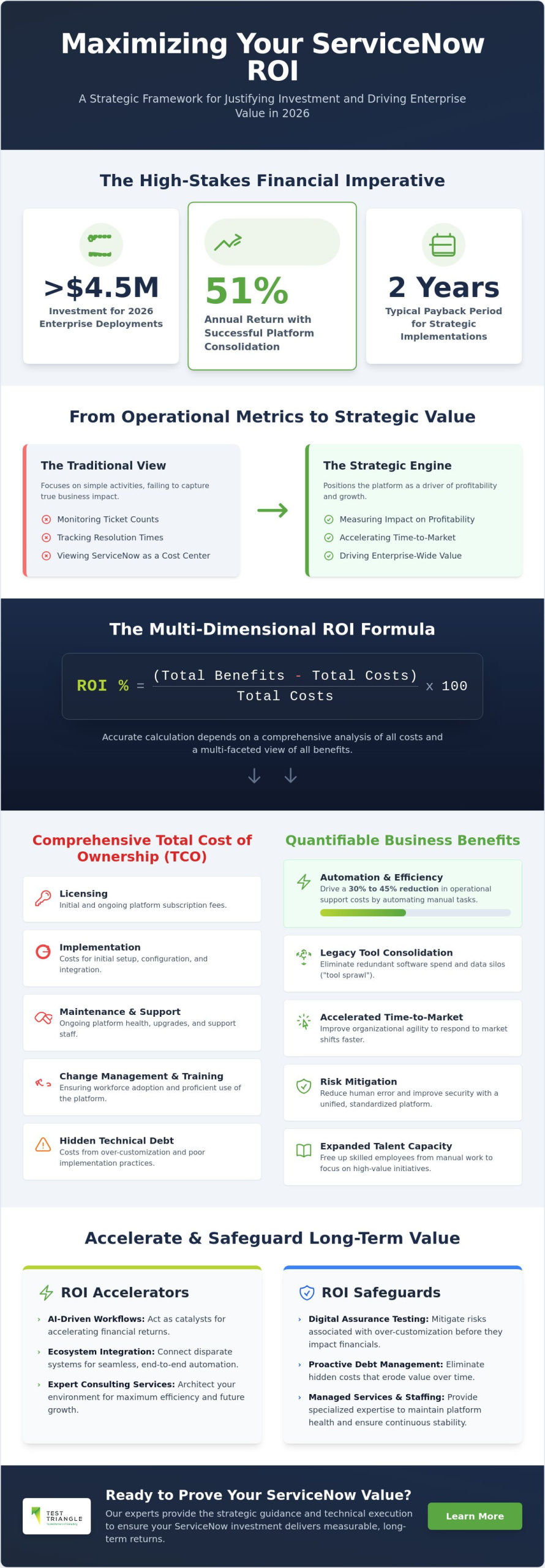
While enterprise deployments in 2026 can require investments exceeding $4.5 million, organizations that successfully execute platform consolidation are realizing an annual return of 51% and a two year payback period. It’s a significant figure that highlights the platform’s potential, yet many leaders still struggle with calculating ServiceNow implementation roi because traditional metrics often fail to capture the nuances of digital transformation. You likely recognize that ServiceNow is more than a ticketing tool; it’s a strategic engine for growth. However, the constant pressure to justify escalating licensing fees while managing the hidden costs of technical debt can make financial validation feel like a moving target.

We’ve designed this framework to bridge the gap between technical execution and executive accountability by providing a clear reporting structure for your investment. You’ll learn how to quantify soft benefits such as user experience improvements, identify the automation areas that drive a 30% to 45% reduction in operational support costs, and validate the consolidation of redundant legacy tools. This guide moves beyond static spreadsheets to offer a dynamic methodology, ensuring you can secure long term operational stability and prove that your ServiceNow roadmap is a disciplined driver of enterprise value.

Key Takeaways

  • Transition from monitoring basic operational activities to measuring strategic business value to ensure your platform investment aligns with 2026 enterprise objectives.
  • Master a multi-dimensional framework for calculating servicenow implementation roi that accurately accounts for both direct cost reductions and indirect productivity enhancements.
  • Identify how AI-driven workflows and broader digital transformation services act as catalysts for accelerating financial returns and expanding organizational talent capacity.
  • Safeguard your long-term financial outcomes by implementing rigorous digital assurance testing to mitigate the risks associated with over-customization and technical debt.
  • Explore how managed services and strategic IT staffing provide the specialized expertise required to maintain platform health and drive continuous operational stability.

The Strategic Imperative of Quantifying ServiceNow Business Value

In the high-stakes corporate environment of 2026, a standard Return on Investment (ROI) calculation is no longer sufficient to justify the scale of enterprise software commitments. Leaders must define ServiceNow ROI as the measurable impact of digitized workflows on overall enterprise profitability. This shift is essential because current market dynamics demand a transition from monitoring simple operational activities to identifying strategic value drivers that empower global growth. By moving beyond the narrow scope of ticket counts, organizations can position ServiceNow as a steady hand that guides the enterprise through technological volatility while ensuring long-term operational stability.

Establishing a baseline for calculating ServiceNow implementation roi requires a clear distinction between activity and value. While resolving a high volume of tickets suggests a productive service desk, it doesn’t necessarily correlate with financial gain if those tickets represent avoidable friction or redundant manual work. True value is realized when automation reduces the cost per transaction and mitigates the risks associated with human error. This approach transforms the platform from a back-office expense into a disciplined engine for strategy, execution, and success.

Shifting from Operational Metrics to Strategic Outcomes

While ticket resolution time remains a common KPI, it’s a surface-level metric that fails to capture the needs of modern enterprises. For global organizations, the more critical metric is the connection between workflow speed and the time-to-market for new business services. When you leverage ServiceNow consulting services to architect your environment, you aren’t just fixing IT issues; you’re accelerating the entire organization’s ability to respond to market shifts. Platform consolidation plays a vital role here by eliminating the redundant software spend and data silos that often plague large-scale digital infrastructures. Reducing this “tool sprawl” provides the peace of mind that comes from a unified, secure, and highly efficient digital ecosystem.

The Total Cost of Ownership (TCO) Equation

A comprehensive approach to calculating ServiceNow implementation roi must account for the full Total Cost of Ownership, which extends far beyond initial licensing. You’ve got to factor in the implementation phase, ongoing platform maintenance, and the inevitable costs of organizational change management. Many enterprises find that the balance between internal staffing and external expertise significantly impacts the TCO baseline. Utilizing managed outsourcing services often proves more cost-effective than maintaining a massive internal team, as it provides access to specialized skills without the overhead of full-time recruitment. Furthermore, don’t overlook the cost of training; ensuring your workforce is empowered to use the platform’s advanced automation is the only way to safeguard your investment and drive the precision, performance, and peace of mind your stakeholders expect.

A Multi-Dimensional Formula for Calculating Implementation ROI

To move beyond anecdotal evidence of success, organizations must adopt a rigorous mathematical approach to financial validation. The standard formula for calculating ServiceNow implementation roi is expressed as: (Total Benefits – Total Costs) / Total Costs x 100. While the equation appears straightforward, its accuracy depends on a comprehensive Total Cost of Ownership (TCO) calculation that accounts for licensing, implementation, and the organizational change management required for adoption. In the context of 2026 enterprise deployments, ServiceNow ROI acts as a longitudinal measure of platform maturity and cost recovery, reflecting an organization’s ability to extract continuous value from digitized workflows over time.

Time to Value (TTV) is a critical component of this framework, particularly for large scale deployments that may span 9 to 12 months. Shortening the TTV ensures that the organization begins realizing cost offsets earlier in the lifecycle, which is vital for maintaining stakeholder confidence. If you’re looking to refine your specific financial model, you might consider how our ServiceNow consulting services can help align these metrics with your broader corporate objectives.

Quantifying Direct Cost Savings

Direct savings provide the most immediate evidence of fiscal discipline. By automating incident management and request fulfillment, organizations can achieve a 35% to 50% reduction in IT labor hours, allowing staff to pivot toward innovation. Furthermore, properly architected deployments typically see a 30% to 50% decrease in Mean Time to Repair (MTTR) within the first six months, which significantly reduces the financial impact of system downtime. Platform consolidation further strengthens the balance sheet; by eliminating the maintenance fees of redundant legacy tools, CIOs can realize an annual ROI of approximately 51%. This systematic approach ensures stability, scalability, and success across the digital infrastructure.

Measuring Indirect Productivity Gains

Indirect gains often represent the largest portion of long term value, though they require more nuanced tracking. Improved employee self-service adoption is a primary driver here; when mature knowledge management and AI assisted workflows are in place, First Contact Resolution (FCR) rates should exceed 70%. This shift reduces administrative friction by allowing cross-departmental workflows to trigger automatically, bypassing manual bottlenecks. We also recommend quantifying the “Experience Factor,” which measures the productivity boost derived from high quality internal and customer interactions. When employees spend less time navigating complex legacy processes, they’re empowered to focus on strategic growth. To explore how these metrics apply to your unique environment, you can reach out to our strategic team for a detailed assessment.

Accelerating Returns through Ecosystem Integration and AI

ServiceNow serves as a powerful catalyst for broader Digital Transformation Services, acting as the connective tissue between disparate enterprise systems. When you integrate ServiceNow with ecosystems like AWS and Atlassian, you create a multiplier effect that significantly enhances the value of each individual platform. This interconnectedness is a pivotal factor when calculating ServiceNow implementation roi, as the returns are no longer confined to IT service management but extend across the entire software development lifecycle. By leveraging DevOps Consulting to align these tools, organizations can accelerate release cycles and ensure that technical execution directly supports business agility.

One of the most profound, yet frequently overlooked, benefits is the ROI of Talent Capacity. By automating the mundane, repetitive tasks that consume your workforce’s time, you empower your existing staff to focus on high-value innovation. This transition from “keeping the lights on” to driving strategic growth provides a sense of empowerment and institutional maturity. It’s about more than just saving hours; it’s about repurposing human expertise to solve complex challenges that a machine cannot, thereby securing your company’s long-term competitive advantage through stability, precision, and scalable growth.

The ROI of Platform Integration

The value of seamless data synchronization between ServiceNow and DevOps tools cannot be overstated. When information flows freely between platforms, you effectively eliminate the data silos that lead to miscommunication and project delays. This integration reduces “swivel-chair management,” where employees manually copy data from one system to another; this process is both inefficient and prone to error. By automating these handoffs, enterprises see a marked improvement in operational precision. This level of coordination ensures that every stakeholder operates from a single source of truth, fostering a culture of reliability and trust.

AI and Machine Learning Returns

The adoption of AI and Machine Learning within the ServiceNow platform offers some of the most quantifiable returns in 2026. Virtual Agents and Predictive Intelligence are no longer experimental; they’re essential tools for handling high-volume requests without human intervention. Mature enterprises report up to a 99.2% reduction in event noise through AIOps, which allows IT teams to ignore the clutter and focus on genuine threats. This AI-driven root cause analysis can cut Mean Time to Resolution (MTTR) by as much as 50%, directly impacting system stability and user satisfaction. Additionally, the role of GenAI in reducing the time required for documentation and knowledge base creation further accelerates the recovery of your initial investment, making the process of calculating ServiceNow implementation roi a clear demonstration of technological evolution.

Safeguarding ROI: Eliminating Technical Debt and Implementation Pitfalls

The mathematical model for calculating ServiceNow implementation roi is only as resilient as the platform’s underlying architecture. While the initial business case often focuses on immediate automation gains, long term financial success is frequently compromised by the silent accumulation of technical debt. Over-customization stands as the primary driver of this value erosion; when organizations deviate too far from standard features to satisfy niche departmental requests, they inadvertently create a rigid environment that is expensive to maintain and difficult to evolve. This complexity often leads to “shadow IT” workarounds, where frustrated users return to manual spreadsheets, effectively nullifying the productivity gains promised during the planning phase.

It’s a common misconception to view ServiceNow implementation as a one-and-done capital expense. In reality, the platform requires a disciplined, evergreen approach to ensure that the cost of recovery doesn’t eventually exceed the value of the digitized workflows. Organizations that fail to account for the ongoing necessity of platform health checks often see their ROI drop by 40% to 60% due to scope creep and technical inefficiencies. To ensure your investment remains a strategic asset rather than a legacy burden, you can consult with our architectural experts for a comprehensive platform audit.

The High Cost of Technical Debt

Custom code acts as a heavy anchor during the twice yearly ServiceNow upgrade cycle, significantly increasing the labor hours required for testing and remediation. To maintain a high “Upgradeability Score,” strategic leaders are increasingly prioritizing a return to Out-of-the-Box (OOTB) functionality. This methodology ensures that the enterprise can immediately leverage new features, such as advanced AI capabilities, without being held back by bespoke scripts that break during version transitions. By treating OOTB as a mandatory standard, you protect the platform’s institutional maturity and ensure that your TCO remains predictable and manageable.

Assurance and Testing as ROI Safeguards

The cost of poor quality is a direct hit to your bottom line, making Software and Digital Assurance Testing an essential protector of your investment. Automated regression testing is particularly vital for every new release, as it provides the peace of mind that existing workflows remain intact while new features are deployed. While automation handles the repetitive checks, Manual Testing remains indispensable for validating complex user journeys and ensuring that the human experience matches technical expectations. This rigorous QA approach prevents production defects that would otherwise result in costly system downtime and lost employee productivity, effectively safeguarding the precision and performance of your digital infrastructure.

Calculating ServiceNow Implementation ROI: A Strategic Framework for 2026

Optimising Long-Term ROI with Managed Services and Flexible Staffing

Achieving a sustainable return requires more than just a successful initial deployment; it demands a resource strategy that balances technical rigor with fiscal agility. While the mathematical framework for calculating ServiceNow implementation roi accounts for licensing and technical debt, the long term trajectory of that value is often determined by the quality of ongoing support. By positioning ServiceNow Consulting Services as the bridge between operational costs and business value, enterprises can ensure that their digital infrastructure remains aligned with evolving corporate objectives. This disciplined approach provides the peace of mind that comes from knowing your platform is managed by experts who prioritize resilience, reliability, and return.

Managed Services vs. In-House Maintenance

Transitioning to a fixed-fee model through Managed Outsourcing Services offers a predictable cost structure that is often superior to the variable expenses of internal hiring. When you maintain a large in-house team, you’re responsible for recruitment, training, and retention in a highly competitive market for ServiceNow specialists. Conversely, a managed service provider grants you immediate access to global expertise, including remote and offshore resources that can provide round-the-clock support without the overhead of permanent headcount. This continuous optimisation prevents platform stagnation, ensuring that your environment is always leveraging the latest automation capabilities to drive cost recovery.

Scaling with Flexible Staffing Models

Specific industries require specialized knowledge to maintain compliance and quality standards. For instance, highly regulated sectors often turn to IT staffing agencies for pharmaceutical industry requirements to find vetted professionals who understand the nuances of GxP compliance within ServiceNow. Utilizing Staffing Solutions allows you to scale your team with “just-in-time” talent for specific implementation phases or complex upgrades. This flexibility is a vital component when calculating ServiceNow implementation roi, as it reduces placement fees and allows you to pay only for the specialized skills you need, when you need them.

Ultimately, the path to long term success is paved through partnership. By choosing a reliable long-term collaborator, you move beyond the role of a service consumer and become a strategic partner in your own technological evolution. This collaborative spirit ensures that your ServiceNow investment continues to deliver operational stability and measurable profitability through a combination of human expertise and technical precision. We remain committed to your long term growth, providing the steady hand needed to navigate a fast changing technological landscape with strategy, support, and success.

Driving Sustained Enterprise Value Through Strategic Platform Governance

When organizations navigate the complexities of the 2026 digital landscape, calculating ServiceNow implementation roi must evolve from a one-time audit into a continuous discipline of value realization. By prioritizing out-of-the-box functionality to mitigate technical debt and integrating AI-driven workflows to enhance talent capacity, enterprise leaders can transform their digital infrastructure into a resilient engine for profitability. Achieving this level of institutional maturity requires a steady hand and a reliable long-term collaborator who understands the intricate requirements of highly regulated industries like Pharma and Finance.

As an Authorized ServiceNow and Atlassian Partner, we provide a global delivery model that leverages offshore cost advantages to deliver precision, performance, and peace of mind. Our approach ensures that your technological evolution is managed with the specialized expertise necessary to safeguard your investment and drive scalable growth. Maximize your platform value with our ServiceNow Consulting Services and secure the operational stability your enterprise deserves. We look forward to supporting your journey toward digital excellence and long-term success.

Frequently Asked Questions

How long does it typically take to see a positive ROI from ServiceNow?

Most global enterprises realize a full return on their investment within a 24 month period. While initial operational improvements such as labor hour recovery often manifest within the first six months, the break-even point typically occurs once the organization has successfully executed platform consolidation and moved into a state of continuous optimization. This timeline ensures that the stabilization phase is complete and the compounding benefits of automated governance are fully realized.

What are the most important KPIs for measuring ServiceNow implementation success?

Success is measured through a sophisticated blend of financial and operational indicators, specifically Mean Time to Resolution (MTTR), labor hour recovery, and the total reduction in legacy tool licensing fees. Strategic leaders also prioritize tracking First Contact Resolution (FCR) rates and self-service adoption levels. These metrics provide a comprehensive view of how digitized workflows are reducing administrative friction and empowering the workforce to focus on high-value innovation.

Does over-customising ServiceNow really decrease its long-term ROI?

Extensive customization significantly erodes long term value by increasing the technical debt and labor costs associated with bi-annual platform upgrades. By deviating from out-of-the-box functionality, organizations create a rigid environment that requires manual remediation during every version transition, which eventually inflates the Total Cost of Ownership. Maintaining architectural discipline ensures the platform remains agile and capable of adopting new features, such as advanced AI, without costly bespoke re-engineering.

How can I calculate the ROI of ServiceNow AI and automation features?

Evaluating the impact of AI involves measuring ticket deflection rates through virtual agents and the reduction in event noise provided by AIOps. When calculating ServiceNow implementation roi for these advanced modules, it’s essential to quantify the talent capacity gained by your technical staff. Shifting human expertise from routine alert management to strategic growth projects represents a substantial gain in organizational productivity and institutional maturity.

Is it better to use an MSP or in-house staff for ServiceNow maintenance to maximize ROI?

Utilizing a Managed Service Provider (MSP) often delivers a more predictable return by replacing variable internal recruitment and training costs with a disciplined, fixed-fee model. This strategic approach provides immediate access to a global pool of certified specialists, ensuring that platform maintenance is handled with precision and reliability. While in-house teams offer internal proximity, the MSP model typically fosters greater operational stability through continuous, expert-led optimization and risk reduction.

What is the role of testing and QA in protecting ServiceNow investment value?

Rigorous digital assurance acts as a critical safeguard that prevents production defects from compromising system availability and user trust. Automated regression testing ensures that new releases don’t disrupt established workflows, while manual validation protects the integrity of complex user journeys. By preventing unplanned downtime and the associated loss of employee productivity, a disciplined testing strategy directly protects the financial integrity of your large-scale technological evolution.

How do I justify the recurring licensing costs of ServiceNow to my CFO?

Justifying recurring fees requires framing ServiceNow as a unified platform that drives cost recovery through the consolidation of redundant legacy software. You should highlight the potential for a 51% annual ROI and the 30% to 45% reduction in operational support costs achieved through mature ITSM automation. Demonstrating how the platform acts as a steady hand that reduces enterprise risk allows executive leadership to view licensing as a strategic investment in long-term success.

Can ServiceNow ROI be measured across non-IT departments like HR or Legal?

Measuring calculating ServiceNow implementation roi across non-IT functions is highly effective when focusing on metrics such as onboarding speed and case resolution efficiency. Organizations utilizing HR Service Delivery frequently report a 60% to 75% improvement in new hire onboarding time, which significantly reduces administrative bottlenecks. These cross-departmental efficiencies ensure that the benefits of digitized workflows are felt across the entire enterprise, providing a consistent and empowered experience for all employees.

Paul Guy

Article by

Paul Guy

Paul serves as the Marketing Director at Test Triangle, where he leads a global team in driving growth through strategic B2B marketing and brand communications. With a strong emphasis on measurable outcomes and sustainable performance, he plays a pivotal role in aligning marketing functions to enhance customer engagement and accelerate business impact. Under his leadership, marketing initiatives have consistently delivered significant returns on investment, elevated brand visibility, and strengthened the company's presence across key markets.
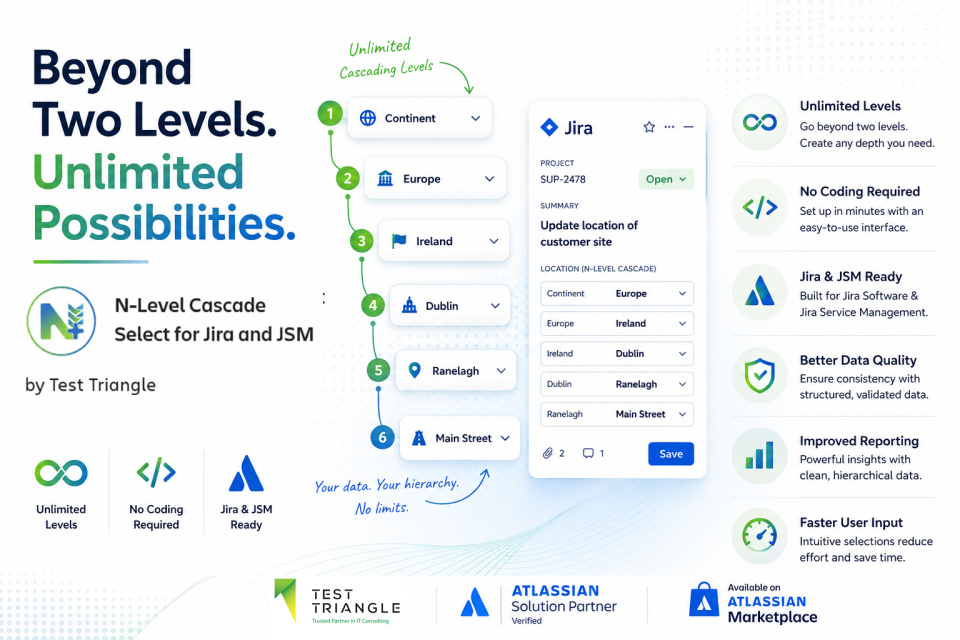

Beyond Two Levels: How N-Level Cascade Select Transforms Data Capture in Jira
Jira Cascade Select Limitations: Why Two Levels Aren’t Enough

Jira is trusted by organisations worldwide to manage projects, service requests, software development, HR processes, procurement workflows and more. However, one limitation continues to challenge teams across industries: Jira’s native Cascade Select field only supports two levels of hierarchy. For many organisations, data structures are far more complex.

Consider a simple classification hierarchy:
Food Type → Fruits → Tropical → Citrus → Orange → Navel Orange → Organic

Or a location structure:
Continent → Country → State → City → District → Area

These are natural, logical hierarchies that businesses use every day. Yet Jira’s standard field configuration stops at a parent and child selection. As organisations scale, this limitation often leads to workarounds, inconsistent data capture and reporting challenges.

N-Level Cascade Select from Test Triangle

That is exactly why Test Triangle developed
N-Level Cascade Select for Jira and Jira Service Management.


The Challenge of Multi-Level Data Capture in Jira

When Jira’s native fields cannot represent real-world data structures, teams often resort to:

  • Large dropdown lists containing hundreds of options
  • Multiple disconnected custom fields
  • Complex automation rules
  • Manual data validation processes
  • Custom development and scripting

While these approaches may work temporarily, they frequently create new challenges:

  • Poor user experience
  • Inconsistent data entry
  • Reduced reporting accuracy
  • Increased administration overhead
  • Greater risk of user error

The result is often messy data and inefficient workflows. Businesses need a better way to capture structured information without sacrificing usability.


What is N-Level Cascade Select for Jira?

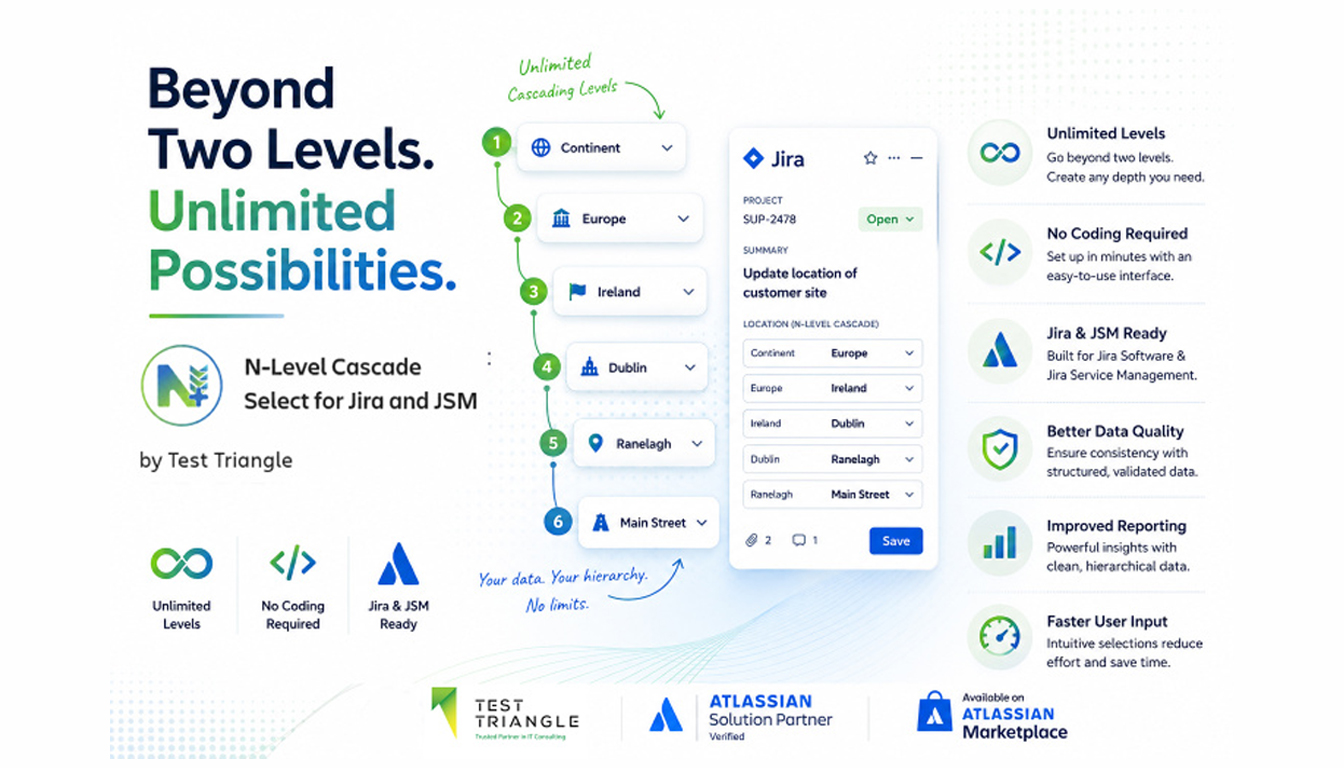
N-Level Cascade Select extends Jira’s native capabilities by allowing organisations to create cascading dropdown fields with virtually unlimited depth.
Instead of being restricted to two levels, teams can create:

  • 3-level hierarchies
  • 5-level hierarchies
  • 10-level hierarchies
  • Any structure required by the business

Each selection dynamically filters the available options at the next level, creating a guided and intuitive user experience.
For example: Food Type → Fruits → Citrus → Orange → Navel Orange → Organic

Each choice narrows the next set of options, ensuring users only see relevant selections.The result is cleaner data, faster form completion and significantly improved reporting accuracy.


Key Features of N-Level Cascade Select

1. Dynamic Labels at Every Level

One of the most powerful features of N-Level Cascade Select is the ability to display unique labels at every stage of the hierarchy.
Rather than presenting users with generic dropdown menus, each level clearly communicates what information is required.

Example:

  • Food Type → Fruits
  • Fruit Category → Citrus
  • Citrus Type → Orange
  • Orange Variety → Navel
  • Production Method → Organic
  • Packaging Size → 500g

Users always understand where they are in the selection process, even across six or more levels.

Benefits:

  • Improved user experience
  • Reduced data entry mistakes
  • Faster form completion
  • Better adoption by end users

N-Level Cascade Jira App


2. Native Integration with Jira Service Management Request Types

N-Level Cascade Select works directly within Jira Service Management (JSM) Request Types and customer portals. This enables organisations to capture highly detailed information before a ticket is even created.

Example Customer Request:

  • Beverage
  • Coffee
  • Espresso-Based
  • Latte
  • Milk Type
  • Oat Milk
  • Iced

Instead of relying on follow-up questions from support agents, the entire request is captured during intake.

Benefits

  • Higher quality requests
  • Reduced triage effort
  • Faster resolution times
  • Improved customer experience

For service desk teams managing large request volumes, structured intake can dramatically improve efficiency.

N-Level Cascade Test Triangle


3. Real-Time Configuration Preview

Building complex hierarchies can be challenging without visibility into the final user experience.
That’s why N-Level Cascade Select includes a live preview panel within the configuration interface.
As administrators build their hierarchy, they can immediately see how the field will behave for end users.


Example –
As you create:

  • Category
  • Vegetables
  • Leafy
  • Dark Leafy
  • Spinach
  • Baby Spinach
  • Organic

The preview updates instantly. This removes guesswork from the configuration process and significantly reduces setup time.

Benefits

  • Faster configuration
  • Improved accuracy
  • Easier administration
  • Reduced testing cycles

4. JSON Import and Export Capabilities

Many organisations already maintain structured classifications outside Jira. N-Level Cascade Select supports full hierarchy import and export using JSON.

Import Use Cases

  • Product catalogues
  • Asset structures
  • Location hierarchies
  • Service catalogues
  • Department structures

Instead of manually creating hundreds or thousands of options, administrators can import complete hierarchies in seconds.

Export Use Cases

  • Backup configurations
  • Replicate structures across environments
  • Update existing hierarchies
  • Version control

This capability makes the solution highly scalable for enterprise environments.

N-Level Cascade Atlassian


5. Workflow Transition Screen Support

Unlike many field extensions, N-Level Cascade Select also works on Jira workflow transition screens.
When issues move between statuses, users can complete structured selections without leaving the transition process.

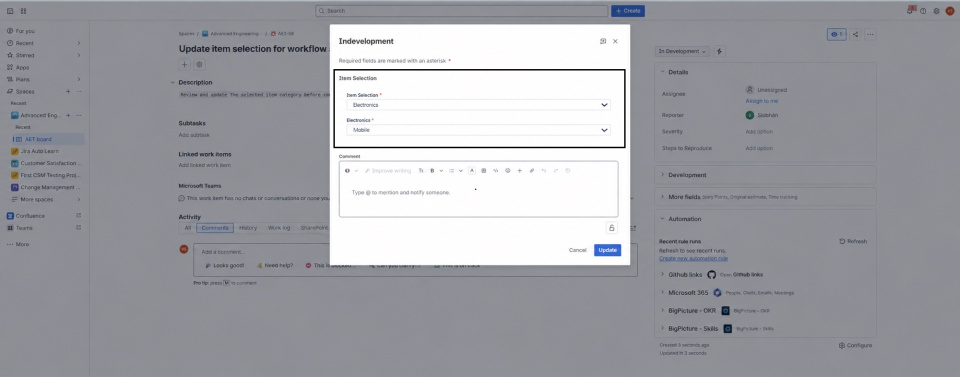
Example: A hardware support ticket moves from: Open → In Development
During the transition, users can select: Electronics → Mobile Devices → Smartphones → Android → Samsung → Galaxy Series
The selected value is stored directly against the issue.

Benefits

  • Better workflow governance
  • Improved process compliance
  • Accurate classification at key workflow stages

N-Level Cascade Select JSM Atlassian


Built on Atlassian Forge for Enterprise Security

Security and compliance are critical for modern organisations.
N-Level Cascade Select was built entirely on Atlassian Forge, Atlassian’s cloud-native development platform.

This means:

  • Data remains within Atlassian infrastructure
  • No external servers are required
  • No third-party hosting environments
  • Simplified compliance requirements
  • Enhanced security controls

For organisations operating in regulated sectors such as:

  • Healthcare
  • Financial Services
  • Government
  • Legal Services
  • Education

Forge-native architecture provides confidence that data remains within the Atlassian ecosystem.

Cloud Migration Ready
As organisations continue moving from Jira Server and Data Centre to Atlassian Cloud, Forge apps provide future-ready compatibility and alignment with Atlassian’s long-term cloud strategy.


Use Cases Across Every Department

IT Service Management Teams. Capture detailed request information:

Issue Type → System → Component → Sub-Component → Priority → SLA Tier

Benefits:

  • Faster triage
  • Better routing
  • Improved reporting

HR Teams

Structure onboarding and employee requests:

Division → Department → Team → Role Level → Employment Type → Location

Benefits:

  • Consistent HR processes
  • Improved employee experience
  • Reduced administrative effort

Finance & Procurement

Classify expenses accurately:

Company → Cost Centre → Budget Category → Expense Type → Vendor Type → Currency

Benefits:

  • Improved financial reporting
  • Better budget governance
  • Reduced manual corrections

Legal & Compliance

Capture regulatory information:

Contract Type → Jurisdiction → Country → Regulatory Body → Standard → Review Status

Benefits:

  • Better audit readiness
  • Improved compliance tracking
  • Easier record retrieval

Product & Engineering Teams

Mirror product architecture directly within Jira:

Product Line → Module → Feature → Sub-Feature → Release Version → Priority

Benefits:

  • Cleaner backlog management
  • Better reporting
  • Improved product governance

Why Structured Data Matters in Jira

The quality of reporting, automation and decision-making in Jira depends on the quality of the data being captured.
Flat drop downs and disconnected fields often result in:

  • Duplicate values
  • Inconsistent classifications
  • Reporting inaccuracies
  • Increased administration effort

N-Level Cascade Select ensures data is captured consistently and logically from the beginning.
The deeper the hierarchy, the more valuable structured data becomes.


Getting Started with N-Level Cascade Select

N-Level Cascade Select is available on the Atlassian Marketplace with a free trial.
We recommend testing the app using a real business classification structure rather than a simple demonstration hierarchy.
This provides the fastest way to evaluate how the solution will perform within your environment.
Comprehensive documentation is available covering:

  • Installation
  • Configuration
  • JSON Import and Export
  • Jira Service Management Integration
  • Best Practices

The Test Triangle team is also available to assist with implementation, configuration and support.


Conclusion

Jira is one of the world’s most powerful workflow platforms, but many organisations require deeper classification structures than native Cascade Select fields can provide.
N-Level Cascade Select removes the two-level limitation and enables businesses to capture structured data exactly as their processes require.
Whether you’re managing service requests, HR workflows, procurement processes, compliance records or product development, the app helps deliver:

  • Better data quality
  • Improved user experience
  • Faster reporting
  • Reduced administrative overhead
  • Stronger governance

If your business relies on complex hierarchical data, N-Level Cascade Select provides a scalable and intuitive solution built specifically for Jira and Jira Service Management.

Start Your Free Trial Today. Ready to go beyond two levels?

Explore N-Level Cascade Select for Jira and Jira Service Management
on the Atlassian Marketplace and discover how structured data capture can transform your Jira environment.


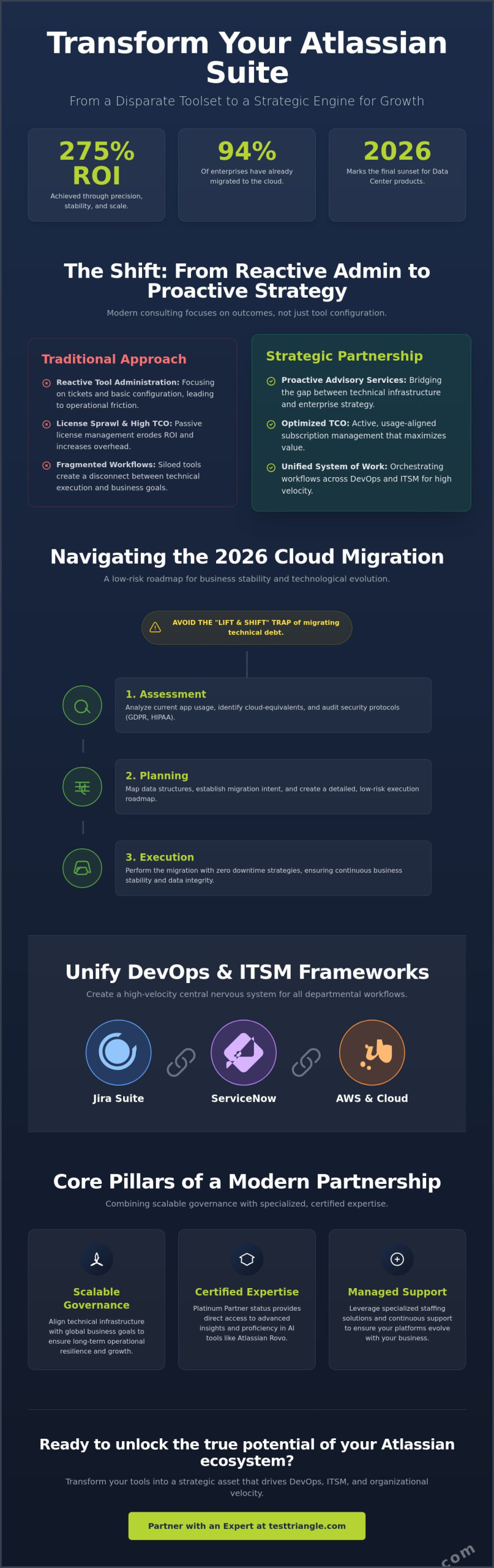
The true cost of an enterprise architecture isn’t found in license fees, but in the friction of disconnected workflows. By 2026, as Data Center products approach their final sunset, the gap between organizations that simply use tools and those that weaponize them has widened significantly. Strategic atlassian consulting services have evolved beyond basic configuration to become the architectural backbone of the modern enterprise. It’s no longer enough to manage tickets; you must orchestrate a unified system of work that bridges the divide between technical execution and high-level business outcomes.

You likely recognize that license sprawl and rising operational overhead are eroding your ROI, even as your teams demand more automation. We understand that a seamless transition to the cloud is a non-negotiable requirement for maintaining business continuity in a landscape where 94% of enterprises have already migrated. This guide will show you how to transform your Atlassian suite from a disparate toolset into a strategic engine for DevOps, ITSM, and organizational velocity. We’ll explore expert license management, deep integrations with AWS and ServiceNow, and the path toward achieving a 275% ROI through precision, stability, and scale.

Key Takeaways

  • Transition from reactive tool administration to proactive advisory services that bridge the gap between technical infrastructure and enterprise-wide strategic outcomes.
  • Establish a low-risk migration roadmap that navigates the 2026 Cloud landscape while ensuring continuous business stability and technological evolution.
  • Optimize your total cost of ownership through atlassian consulting services that replace passive licensing with active, usage-aligned subscription management.
  • Unify your DevOps and ITSM frameworks by integrating Jira with ServiceNow to create a high-velocity central nervous system for all departmental workflows.
  • Leverage a strategic partner model that combines scalable governance with specialized staffing solutions to ensure long-term operational resilience and growth.

The Strategic Shift: Why Modern Atlassian Consulting Services Focus on Outcomes

Modern enterprises no longer view their software stacks as static utilities but as dynamic engines of growth. In this context, atlassian consulting services have transitioned from simple task-based support to a high-level strategic advisory role. This shift reflects a broader organizational need to align technical infrastructure with global digital transformation goals. Atlassian consulting is a holistic approach to optimizing the entire software delivery lifecycle, ensuring that every configuration choice serves a measurable business objective. By moving beyond the mechanics of traditional Jira administration, companies can bridge the gap between technical tools and the overarching DevOps and ITSM Frameworks that drive market competitiveness.

Moving from Tool Configuration to Process Transformation

Standard “out-of-the-box” configurations often buckle under the weight of enterprise-scale requirements, leading to fragmented data and siloed communication. A strategic consultant begins by conducting a rigorous audit of existing workflows before any technical implementation occurs. This methodology ensures that the tool adapts to the business, rather than forcing the business to conform to the tool’s default limitations. We focus on the three foundational pillars of success: People, Process, and Platforms. By addressing how teams collaborate and how information flows, we ensure that the technical atlassian implementation supports long-term scalability and operational stability.

The Role of Certified Expertise in 2026

In 2026, the complexity of the Atlassian ecosystem demands a level of specialized knowledge that internal teams rarely possess. Platinum Partner status provides organizations with a direct line to tier-one support and advanced insights into product roadmaps, which is vital for maintaining a competitive edge. For high-stakes environments such as finance and healthcare, certified expertise acts as a safeguard against data breaches and compliance failures. Modern consultants must be proficient in the latest 2026 releases, including the AI-powered capabilities of Atlassian Rovo and advanced AI agents. These tools represent the next frontier of productivity; however, they require precise governance to deliver their promised value without introducing new risks to the digital infrastructure.

By 2026, the Atlassian landscape has reached a definitive tipping point. With the sale of new Data Center licenses having ceased in March 2026, global enterprises are now prioritizing a transition to a cloud-first architecture to leverage advanced AI capabilities like Atlassian Rovo. However, a successful migration is rarely a linear path; it requires a sophisticated atlassian consulting services partner to navigate the technical and regulatory complexities. Moving to the cloud isn’t just about data residency. It’s about redefining how your organization scales without compromising the stability of your digital infrastructure.

Cloud Transformation: Beyond a Simple Lift-and-Shift

Many organizations falter by attempting a direct “lift-and-shift” of legacy data, which often results in migrating years of technical debt and broken workflows. To avoid the “garbage in, garbage out” trap, a strategic Cloud Migration and Architecture Strategy must begin with a comprehensive environment audit. This phase involves identifying redundant apps, archiving stale projects, and ensuring that security protocols meet global standards like GDPR or HIPAA. Our structured delivery model follows a disciplined cadence:

  • Assessment: Analyzing current app usage and identifying cloud-equivalent functionalities.
  • Planning: Mapping data structures and establishing a migration intent, whether for test or production environments.
  • Execution: Utilizing the Atlassian Implementation Services framework to ensure zero business downtime during the cutover.

Optimizing Data Center for Regulated Industries

While the push toward Cloud is undeniable, certain high-compliance sectors still rely on Data Center for air-gapped environments or specific regional regulatory requirements. In these scenarios, the focus shifts toward maximizing high availability and performance tuning to prevent operational bottlenecks. A seasoned consultant ensures that your on-premise infrastructure remains resilient and secure until the final 2029 end-of-life deadline. We often implement a “Hybrid” approach for these clients, where collaboration happens in Confluence Cloud while sensitive development remains within a hardened Data Center instance. This versatility allows for progress without sacrificing the rigorous security standards required in finance or government sectors.

If you’re unsure which path best supports your long-term scalability, you can speak with our strategic architects to evaluate your current architecture and design a roadmap tailored to your specific enterprise needs.

Strategic Atlassian Consulting Services: A 2026 Executive Guide to Enterprise Scalability

Evaluating ROI: License Management vs. Process Transformation

Executive leadership often views the annual Atlassian renewal as a significant financial hurdle, especially as enterprise pricing for Jira and Confluence continues to reflect the platform’s expanded AI capabilities. However, shifting from a mindset of passive subscription to one of active optimization is where atlassian consulting services prove their weight in gold. While many organizations treat licensing as a fixed overhead, a strategic partner identifies the hidden inefficiencies that inflate costs without contributing to output. License ROI is the intersection of tool consolidation and user adoption rates. By treating your toolset as a high-performance asset rather than a utility, you can transform rising costs into a quantifiable driver of organizational velocity.

Strategic License Management and Cost Reduction

Eliminating “zombie” licenses and consolidating marketplace app sprawl are the first steps toward regaining control over your software budget. It’s common for large enterprises to pay for premium tiers while utilizing only a fraction of the advanced features; worse, they often maintain multiple apps that perform identical functions. A consultant provides the rigorous oversight needed to audit these redundancies, ensuring that your tier levels align perfectly with actual team requirements. Beyond the immediate cleanup, purchasing through an authorized partner offers the advantage of unified billing and access to strategic discounts that aren’t available through direct self-service channels. This disciplined approach ensures that every dollar spent on Atlassian licenses is directly mapped to a functional business requirement.

Measuring Velocity: The True KPIs of Consulting

The ultimate measure of success isn’t just a lower bill; it’s the acceleration of your software delivery lifecycle. We track specific KPIs such as Lead Time and Cycle Time to demonstrate how a refined Jira environment removes the friction that slows down development. When implementing IT Service Management solutions, we focus on reducing the Mean Time to Resolution (MTTR) through advanced automation and AI-driven triage. There’s also a vital qualitative ROI to consider in 2026: the improvement of the Developer Experience (DX). By reducing the administrative burden on your engineers, you don’t just speed up deployment; you reduce burnout and retain the top-tier talent necessary for long-term digital evolution.

Synergistic Integration: Connecting Atlassian with DevOps and ITSM Frameworks

In the context of a modern digital infrastructure, the Atlassian suite acts as the central nervous system that orchestrates the flow of information across disparate departments. While many organizations treat Jira as an isolated project management tool, professional atlassian consulting services focus on creating a unified ecosystem where data flows seamlessly between development, operations, and support. This architectural synergy is essential for organizations pursuing a mature DevOps Consulting roadmap. By synchronizing your toolset with broader enterprise platforms, you ensure that technical execution remains perfectly aligned with the service delivery standards defined in your ITSM Solutions framework. This connectivity transforms the toolset from a repository of tasks into a dynamic engine for enterprise-wide visibility and stability.

Atlassian and ServiceNow: Bridging ITOM and ITSM

Large-scale enterprises often face a significant disconnect between software development teams, who live in Jira, and IT operations teams, who manage service delivery in ServiceNow. Integrating these two platforms is a strategic necessity to eliminate data silos and provide high-level visibility into the entire service lifecycle. When an incident is logged in ServiceNow, automated syncs ensure that the development team receives a corresponding ticket in Jira Software with all relevant technical context. This bidirectional flow maintains a single source of truth for incidents, changes, and problem records, which significantly reduces the friction of manual updates. It allows technical managers to track progress and resolve bottlenecks without leaving their preferred environment, fostering a culture of transparency and accountability across the organization.

DevOps Excellence with Bitbucket and Bamboo

Achieving true DevOps maturity requires more than just tool adoption; it requires the automated orchestration of the flow from “Code” to “Deploy.” We integrate Atlassian’s native tools, such as Bitbucket and Bamboo, directly into AWS-hosted CI/CD pipelines to create a resilient and scalable delivery engine. This setup ensures that code changes are automatically built, tested, and deployed with minimal human intervention. To maintain high standards of quality, we incorporate Software Test Automation Services directly into the pipeline. This integration ensures that performance and security checks are executed at every stage of the lifecycle, preventing production incidents and ensuring that only stable, high-quality code reaches the end user. By automating these touchpoints, our atlassian consulting services help you build a system that prioritizes both speed and traceability.

Ready to unify your enterprise toolchain and eliminate operational silos? Contact our integration specialists today to design a connected architecture that drives organizational velocity.

Test Triangle’s Methodology: Scalable Governance and Managed Support

Effective enterprise scalability requires a shift from transactional vendor relationships to a deep-rooted strategic partnership. At Test Triangle, we don’t just implement software; we embed ourselves into your organizational fabric to ensure your technical infrastructure evolves alongside your business goals. Our atlassian consulting services are built on a foundation of Precision, Partnership, and Progress, providing the stability needed to navigate the complexities of a 2026 digital landscape. By acting as a reliable long-term collaborator, we help you transition from reactive troubleshooting to a state of continuous optimization, ensuring that your investment in the Atlassian suite delivers compounding value over time.

Flexible Staffing: Solving the Atlassian Talent Gap

The demand for specialized expertise often outpaces the internal capacity of even the most robust IT departments. To bridge this divide, we offer comprehensive Staffing Solutions that provide both contract and permanent experts tailored to your specific environment. Whether you require embedded consultants to lead a high-stakes migration or offshore teams to provide cost-effective 24/7 maintenance, our model adapts to your unique operational constraints. This flexibility allows your core team to focus on high-value innovation while our specialists manage the intricacies of your Atlassian environment. Our global reach ensures that you have access to the right talent at the right time, regardless of geographical or regulatory challenges.

Long-Term Governance and System Optimization

System health is not a one-time achievement but a continuous process of refinement and vigilance. Through our Managed Outsourcing Services, we establish a proactive governance framework that includes quarterly architecture audits, timely version upgrades, and the immediate application of security patches. This disciplined approach prevents “process decay” and ensures that your workflows remain efficient as your user base grows. We also prioritize ongoing training and knowledge transfer to maintain high adoption rates across all departments. By combining technical rigor with human expertise, we ensure your Atlassian ecosystem remains a resilient asset that supports your long-term vision of digital transformation.

Your journey toward a fully optimized, scalable enterprise starts with a clear roadmap. We invite you to Contact Test Triangle today to schedule a strategic advisory session and discover how our atlassian consulting services can empower your organization’s growth.

Orchestrating Your Enterprise Evolution for 2026 and Beyond

The journey toward a scalable, high-velocity enterprise requires more than just high-performance software; it demands a disciplined alignment of technology, talent, and transformation. We’ve explored how the modern landscape necessitates a move toward outcome-based strategies, where deep integrations between Jira and ServiceNow serve as a unified central nervous system. By prioritizing active license optimization and proactive governance, global organizations can eliminate operational friction and secure a measurable return on their digital investments. This approach ensures that your infrastructure doesn’t just function, but actively propels your business goals forward.

As an Atlassian Platinum Solution Partner with a global presence across Europe, North America, and Asia, Test Triangle provides the institutional maturity required to manage complex infrastructures in highly regulated sectors like Finance and Pharma. Our atlassian consulting services are designed to act as a steady hand in a fast-changing technological environment, ensuring that your digital evolution is marked by stability, precision, and scale. We remain committed to your long-term success through a partnership model that values operational excellence and reliable support. Scale your enterprise with Test Triangle’s Strategic Atlassian Consulting and transform your toolset into a strategic engine for progress. The future of your organizational velocity starts with a single, strategic step forward.

Frequently Asked Questions

What are the primary benefits of hiring Atlassian consulting services?

Hiring atlassian consulting services ensures that your technical infrastructure is perfectly aligned with your high-level business objectives. Beyond simple tool configuration, these services provide the architectural oversight needed to reduce operational friction and eliminate data silos across global teams. This strategic alignment empowers leadership to make data-driven decisions while fostering an environment of stability and scalable growth through expert-led process transformation.

How much do Atlassian consulting services typically cost in 2026?

While specific engagement costs vary based on the complexity of the enterprise environment, industry benchmarks in 2026 show that the average hourly rate for an Atlassian consultant in the United States is approximately $62.66, though specialized Jira experts often command $200 or more per hour. Organizations generally find it prudent to budget between 20% and 30% of their annual licensing costs for professional implementation. These investments are typically offset by the elimination of redundant marketplace apps and the reduction of hardware maintenance overhead.

What is the difference between an Atlassian Solution Partner and a generic IT consultant?

An Atlassian Solution Partner possesses a direct relationship with Atlassian, providing them with prioritized access to product roadmaps and tier-one technical support that generic consultants can’t match. Platinum partners, in particular, must maintain rigorous certification standards and demonstrate a proven track record in managing complex, high-stakes environments. This specialized focus ensures that your digital infrastructure is managed with a level of precision and platform-specific expertise that generic IT providers lack.

Can Atlassian consultants help with Cloud migration from Server or Data Center?

Yes, specialized consultants design and execute comprehensive migration roadmaps that mitigate the risks of data loss and business downtime during the transition. This process includes a deep-dive audit to clean up technical debt and ensure that your new cloud architecture adheres to global compliance standards like GDPR or HIPAA. By utilizing a structured delivery model, consultants help organizations navigate the definitive shift toward cloud-first environments before the final Data Center end-of-life deadline in 2029.

How do Atlassian consulting services improve DevOps and CI/CD pipelines?

Consultants optimize DevOps workflows by integrating Atlassian tools like Bitbucket and Bamboo directly into your existing CI/CD pipelines, often hosted on AWS. This orchestration automates the flow from code commit to production deployment, which significantly reduces manual errors and production incidents. By establishing a unified “system of work,” atlassian consulting services ensure that your development and operations teams operate with maximum traceability and speed within a secure, automated environment.

What should we look for when choosing an Atlassian consulting partner?

Look for a partner that demonstrates a strategic visionary mindset combined with practical, industry-specific experience in regulated sectors like finance or pharma. It’s essential to select a collaborator that offers an adaptable approach to service delivery, including both high-level advisory and flexible staffing solutions to fill internal talent gaps. A partner’s ability to integrate Atlassian with other major platforms, such as ServiceNow, is also a critical indicator of their technical maturity and strategic value.

How does Atlassian consulting help with license management and cost optimization?

Consultants perform detailed audits to identify “zombie” licenses and redundant marketplace apps that inflate your total cost of ownership. By moving from passive licensing to active optimization, they align your subscription tiers with actual user adoption and functional requirements. This disciplined oversight ensures that your budget is spent on high-value features that drive productivity, rather than on underutilized seats or overlapping tool functionalities that provide no clear ROI.

Do Atlassian consultants provide training for our internal teams?

Yes, comprehensive training is a cornerstone of the strategic partner model to ensure long-term system health and high user adoption. Consultants provide tailored upskilling sessions that bridge the gap between technical tools and your organization’s specific workflows. This proactive knowledge transfer prevents process decay and empowers your internal teams to manage the day-to-day operations of your Atlassian suite with confidence and precision.

Paul Guy

Article by

Paul Guy

Paul serves as the Marketing Director at Test Triangle, where he leads a global team in driving growth through strategic B2B marketing and brand communications. With a strong emphasis on measurable outcomes and sustainable performance, he plays a pivotal role in aligning marketing functions to enhance customer engagement and accelerate business impact. Under his leadership, marketing initiatives have consistently delivered significant returns on investment, elevated brand visibility, and strengthened the company's presence across key markets.
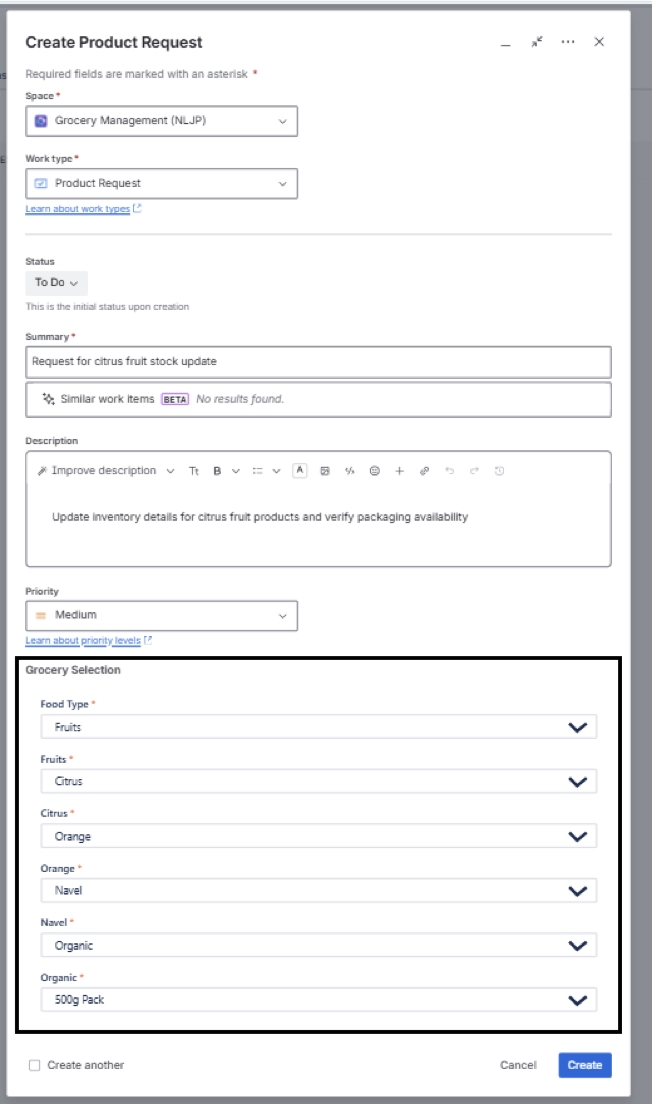

What is Atlassian and Jira for ITSM?

In today’s digital-first business environment, organisations rely heavily on technology to deliver services, support employees, and serve customers efficiently. As IT environments become increasingly complex, businesses need modern tools that can streamline service delivery, automate workflows, and improve visibility across IT operations.

This is where Atlassian and Jira Service Management (JSM) play a critical role.

Understanding Atlassian

Atlassian is a global software company that develops collaboration, project management, and service management solutions used by organisations of all sizes. Atlassian products help teams plan, track, manage, and support work across IT, software development, operations, HR, finance, and business functions.

Some of Atlassian’s most popular products include:

  • Jira Software
  • Jira Service Management (JSM)
  • Confluence
  • Bitbucket
  • Jira Product Discovery
  • Atlas

Today, Atlassian solutions are used by hundreds of thousands of organisations worldwide, including many of the world’s largest enterprises, government agencies, financial institutions, healthcare providers, and technology companies.


Atlassian Eco System Test Triangle


What is Jira Service Management (JSM)?

Jira Service Management is Atlassian’s modern IT Service Management (ITSM) platform designed to help organisations deliver high-quality IT services while improving efficiency, visibility, and collaboration.

Built on the Jira platform, JSM provides a powerful solution for managing:

  • Incident Management
  • Service Requests
  • Problem Management
  • Change Management
  • Asset Management
  • Knowledge Management
  • Service Level Agreements (SLAs)
  • Customer and Employee Support

Unlike traditional ITSM tools that can be complex and expensive to maintain, Jira Service Management offers a flexible, cloud-based solution that is easy to configure, scale, and integrate.

What is Atlassian and Jira for ITSM? Test Triangle

What is ITSM?

IT Service Management (ITSM) refers to the processes, policies, and technologies used by organisations to design, deliver, manage, and improve IT services.
The goal of ITSM is to ensure that technology services support business objectives while providing a positive experience for users and customers.

Common ITSM practices include:

Incident Management: Resolving service interruptions as quickly as possible to minimise business impact.

Problem Management: Identifying and addressing root causes to prevent recurring incidents.

Change Management: Managing system changes in a controlled and auditable manner.

Service Request Management: Providing users with a structured process to request IT services and support.

Asset Management: Tracking hardware, software, licenses, and infrastructure assets throughout their lifecycle.


Why Organisations Choose Jira Service Management

1. Faster Incident Resolution

Jira Service Management enables IT teams to quickly identify, prioritise, and resolve incidents through automated workflows, escalation rules, and real-time collaboration.

Benefits include:

  • Reduced downtime
  • Faster response times
  • Improved SLA performance
  • Better customer satisfaction

2. Streamlined Change Management

JSM incorporates ITIL-aligned change management capabilities that help organisations reduce risk while accelerating innovation.

Features include:

  • Automated approval workflows
  • Change calendars
  • Risk assessments
  • Deployment integrations
  • Audit trails

This enables teams to implement changes confidently while maintaining governance and compliance.


3. Self-Service Portals

Users can easily submit requests through intuitive service portals without needing to contact the IT team directly.

Examples include:

  • Password resets
  • Software access requests
  • New starter onboarding
  • Hardware requests
  • Facilities support requests

This improves user experience while reducing administrative workloads.


4. Powerful Automation

One of Jira Service Management’s greatest strengths is automation.

Organisations can automate:

  • Ticket assignment
  • SLA escalations
  • Approval processes
  • Incident notifications
  • Service request fulfilment
  • Change approvals

Jira Service Management and DevOps

Modern organisations require stronger collaboration between IT operations and development teams.

Because Jira Service Management is built on the same platform as Jira Software, development and support teams can work together seamlessly.

Benefits include:

  • Faster incident resolution
  • Improved release management
  • Enhanced visibility
  • Better communication
  • Reduced operational silos

This makes Jira Service Management an ideal solution for organisations embracing DevOps and Agile methodologies.


Jira Service Management for Enterprise Organisations

JSM is trusted by enterprises across industries including:

  • Government and Public Sector
  • Financial Services
  • Healthcare
  • Telecommunications
  • Education
  • Retail
  • Manufacturing

Enterprise capabilities include:

  • Advanced security controls
  • Enterprise-grade scalability
  • Multi-team service management
  • High availability
  • Compliance reporting
  • Integration with existing business systems

Cloud vs Data Center

Atlassian offers Jira Service Management through both Cloud and Data Center deployments.

Jira Service Management Cloud

Ideal for organisations seeking:

  • Faster implementation
  • Lower infrastructure costs
  • Automatic updates
  • Scalability
  • Reduced administration

Jira Service Management Data Center

Suitable for organisations requiring:

  • Greater infrastructure control
  • Specific compliance requirements
  • Custom hosting environments
  • Advanced data governance

Many organisations are now migrating from on-premise environments to Atlassian Cloud to take advantage of ongoing innovation and reduced operational overhead.


How Test Triangle Helps Organisations Succeed with Atlassian ITSM

As an Atlassian Gold Solution Partner, Test Triangle helps organisations maximise the value of Jira Service Management through:

Consulting and Strategy

Assessing existing service management processes and designing future-state ITSM operating models.

Jira Service Management Implementations

Deploying and configuring Jira Service Management aligned to organisational requirements and ITIL best practices.

Cloud Migrations

Supporting seamless migration from legacy ITSM platforms and on-premise Jira environments to Atlassian Cloud.

Integrations

Connecting Jira Service Management with enterprise systems including:

  • Microsoft 365
  • Azure
  • AWS
  • ServiceNow
  • HR systems
  • Identity and Access Management platforms

Managed Services

Providing ongoing administration, optimisation, support, governance, and continuous improvement services.

Training and Adoption

Helping teams accelerate user adoption and maximise platform utilisation.


Final Thoughts

Atlassian Jira Service Management has become one of the leading ITSM platforms for organisations seeking a modern, agile, and scalable approach to service management. By combining powerful automation, ITIL-aligned processes, asset management, and seamless collaboration capabilities, Jira Service Management enables organisations to deliver exceptional IT services while improving operational efficiency.

Whether you are looking to modernise your service desk, migrate from a legacy ITSM platform, or implement enterprise-wide service management, Jira Service Management provides the flexibility and scalability needed to support your digital transformation journey.

With extensive experience delivering Atlassian solutions across public and private sector organisations, Test Triangle helps clients design, implement, optimise, and support Jira Service Management environments that drive measurable business outcomes.

Ready to Transform Your IT Service Management?

Contact Us | Schedule a Consultation


What if the premium your organization pays for digital stability is actually subsidizing a provider’s internal inefficiencies rather than fueling your own technological evolution? Many enterprise leaders feel the weight of opaque Managed Service Provider Subscription Fees that continue to climb even as service levels stagnate or critical resources remain underutilized. It’s a common frustration to find your budget tied up in “shelfware” or rigid retainers that prioritize ticket volume over the strategic health of your ServiceNow or Atlassian ecosystems.

This 2026 guide is designed to help you master the complexities of modern pricing structures, allowing you to align your investment with specific business outcomes and long-term operational stability. You’ll discover a clear framework for comparing complex quotes and learn how to shift the conversation from basic maintenance to high-impact platform optimization. We will explore current industry benchmarks for per-user and co-managed models, identify the hidden costs in low-tier plans, and provide the methodology needed to secure a partnership that prioritizes your ROI through disciplined DevOps and ITSM integration.

Key Takeaways

  • Understand why traditional break-fix models have been superseded by recurring structures. These frameworks prioritize continuous digital transformation and operational stability.
  • Master the nuances of Managed Service Provider Subscription Fees by comparing per-user and per-device models. This ensures your IT spend remains predictable in a remote-first environment.
  • Identify hidden value drivers and setup costs to prevent paying for underutilized “shelfware” or services that don’t scale.
  • Establish a rigorous evaluation framework for reviewing SLAs and RFP responses. Your service levels must effectively support business-critical platforms like ServiceNow.
  • Learn how to bridge the gap between technical execution and strategic success. Integrating specialized Atlassian implementation expertise into your managed support model is a critical differentiator.

Defining Managed Service Provider Subscription Fees in 2026 requires a perspective that views technology as a driver of institutional maturity rather than a simple cost center. In the current market, the reactive “break-fix” hourly model has been almost entirely marginalized in favor of recurring subscriptions that guarantee operational continuity and risk mitigation. Leaders must understand what a managed service provider is in this new era: a long-term collaborator that manages complex digital infrastructures through systemic improvement rather than mere incident response. This shift reflects a broader economic reality where global volatility demands predictable, outcome-linked expenditure that aligns with long-term strategic goals.

The transition from “Monitoring-Only” to “Outcome-Based” pricing represents the most significant change in how enterprises evaluate their IT investments. While legacy providers focused on uptime and ticket volume, the modern framework prioritizes the acceleration of specific business objectives. Global economic shifts, including talent scarcity in specialized technical fields and the rising costs of cybersecurity insurance, have naturally influenced MSP margin expectations and base rates. However, the move toward transparent, value-driven models ensures that organizations can justify these costs by measuring the direct impact on their digital transformation journey.

The Evolution of Value-Based IT Support

The industry has reached a tipping point where uptime metrics alone no longer justify high-level retainers. Modern enterprises are prioritizing business-aligned performance indicators, shifting the focus of Managed Service Provider Subscription Fees toward Precision, Progress, Performance. By integrating advanced automation and cognitive computing into their internal workflows, providers are effectively reducing the overhead of commoditized tasks. This allows them to redirect human capital toward high-level strategic architecture. Consequently, organizations are now prioritizing platform-specific expertise over generalist support, recognizing that specialized knowledge is required to optimize complex environments.

Subscription Fees vs. Professional Service Fees

Maintaining a clear distinction between recurring maintenance and project-based consulting is essential for transparent budgeting and margin management. While subscription fees cover the ongoing health, security, and incremental updates of your IT service management ecosystem, one-time initiatives usually fall under professional service fees. For instance, a full-scale Atlassian implementation or a major ServiceNow migration requires a time-and-materials approach due to its unique scope. Identifying which IT needs fit a subscription model depends on the frequency and predictability of the requirement. A robust Service Level Agreement (SLA) acts as the definitive boundary, ensuring that both parties agree on what constitutes “business as usual” versus a specialized transformation project.

Selecting the appropriate framework for Managed Service Provider Subscription Fees is a critical decision that influences both operational agility and budgetary precision. In a remote-first work environment, the debate between “Per-User” and “Per-Device” models has largely settled in favor of user-centric billing. This shift reflects the reality that modern professionals often operate across multiple endpoints, making device-based tracking an administrative burden. While approximately 13% of providers still rely on per-device pricing as their primary model, around 26% have transitioned to a hybrid approach that combines elements of both to better reflect the complexity of modern enterprise infrastructures.

For organizations managing high-stakes environments, the “All-You-Can-Eat” model often provides the most robust ROI. This comprehensive structure decouples support from ticket volume, encouraging a proactive partnership where the provider is incentivized to eliminate root-cause issues rather than billing for repetitive fixes. When evaluating these models, it’s vital to align the chosen tier with your actual needs. Many enterprises find themselves overpaying for “Gold” tier packages that include redundant compliance features, when a “Silver” tier combined with targeted ServiceNow consulting services would offer a more precise fit for their operational requirements.

The Per-User Pricing Model: The 2026 Standard

Per-user billing has emerged as the industry standard because it simplifies scalability during periods of rapid organizational growth. This model aligns the provider’s incentives with the client’s success; fewer technical disruptions lead to lower operational costs for the MSP, fostering a culture of Stability, Security, Success. To prevent overbilling, enterprises must implement rigorous audits of “active user” counts within their directory services. Ensuring that subscription fees are only applied to current, authorized personnel is a fundamental step in maintaining a lean and efficient IT budget. If you’re looking to optimize your resource allocation, you might consider how tailored staffing strategies can complement your existing support structure.

Tiered and À La Carte Options

Tiered structures allow organizations to construct a custom service stack that matches specific platform needs without the risks associated with pure à la carte pricing. While à la carte models offer initial flexibility, they often lead to “nickel and diming” for essential security patches or routine maintenance tasks. A more strategic approach involves evaluating tiered packages against your internal DevOps and QA capabilities. For instance, an organization with a strong internal testing team may only require a subscription that covers specialized Atlassian implementation support and high-level architectural guidance, rather than a full-service helpdesk retainer.

Managed Service Provider Subscription Fees: The 2026 Enterprise Buying Guide

Beyond the Monthly Retainer: Identifying Hidden Costs and Value Drivers

While the monthly retainer is the most visible element of Managed Service Provider Subscription Fees, the true total cost of ownership is often dictated by variables that sit just below the surface. Strategic procurement requires a granular understanding of how onboarding fees, platform licensing, and integrated personnel models impact the long-term budget. A common pitfall for enterprises is failing to account for “out-of-scope” triggers. These are specific events or requests that fall outside the standard agreement, leading to unexpected billing spikes that can disrupt even the most disciplined financial planning. By identifying these triggers during the negotiation phase, you can ensure your expenditure remains predictable and aligned with your ROI targets.

Platform licensing for ecosystems like Atlassian and ServiceNow also plays a significant role in your overall spend. Whether your provider manages these licenses on your behalf or you maintain them internally, the complexity of these environments often necessitates specialized oversight. Integrating staffing solutions directly into your managed service framework allows for more sophisticated margin management. This approach enables you to fill specific skill gaps, such as specialized manual or automation testing, without the need to upgrade your entire service tier for the entire organization.

Onboarding and Implementation Charges

A professional system audit and environment baseline are the core components of a legitimate onboarding fee. This initial phase is not merely a setup cost; it’s a rigorous process that ensures your provider understands the nuances of your digital infrastructure. When negotiating multi-year managed service contracts, it’s often possible to amortize these setup fees or tie them to specific implementation milestones. You must ensure that comprehensive knowledge transfer is explicitly included in this phase. This prevents vendor lock-in and guarantees that your internal teams remain empowered and informed throughout the partnership.

The Role of Specialized Talent in MSP Fees

The integration of managed outsourcing services can significantly lower your subscription overhead by optimizing the delivery model. By balancing high-level local strategic consulting with cost-effective technical execution teams, providers can offer a more versatile and globally-minded support structure. This model provides “fractional” access to elite DevOps and QA experts who might be too expensive to hire as full-time internal resources. This hybrid approach delivers Precision, Proximity, Productivity, ensuring that your technical managers have the specific expertise they need exactly when they need it, without inflating the base subscription rate.

The Strategic Buyer’s Framework for Evaluating MSP Proposals

Evaluating Managed Service Provider Subscription Fees through the lens of a Request for Proposal (RFP) demands a rigorous methodology that transcends basic cost comparisons. A strategic buyer doesn’t merely look for the lowest monthly retainer; instead, they seek to understand the correlation between the fee structure and the provider’s ability to deliver operational resilience. This evaluation process should involve five critical questions designed to expose the depth of a provider’s strategic commitment. These include inquiries into their methodology for license optimization, their internal security protocols, and how they define “value” beyond basic ticket resolution. By forcing providers to articulate their impact on your long-term digital health, you can distinguish between a simple vendor and a high-level corporate partner.

When assessing an SLA for business-critical environments such as ServiceNow, it’s essential to look for guarantees that protect against systemic failure rather than just slow response times. Cheaper bids often indicate a lack of platform-specific expertise, which can be disastrous during complex Atlassian Cloud migrations or infrastructure overhauls. Using the “Cost of Downtime” as a benchmark allows technical leaders to justify higher-tier managed service subscriptions to executive stakeholders. If an hour of system unavailability costs the enterprise significantly more than the annual premium for expert support, the decision to prioritize quality becomes a matter of risk management rather than just procurement. High-level support delivers Stability, Scalability, Security, protecting your most valuable digital assets from preventable disruptions.

Auditing Vendor Expertise and Certifications

Authorized partnership status, such as being an Atlassian Platinum partner, should significantly influence your fee tolerance. These endorsements serve as official benchmarks of a provider’s technical depth and their direct line to platform-level support. Industry-specific experience is equally vital, particularly in highly regulated sectors like Pharma or Finance where compliance is non-negotiable. You must verify the MSP’s internal security protocols and their history of managing diverse, complex digital infrastructures. A partner’s ability to operate across these rigid regulatory frameworks ensures that your organizational progress isn’t hindered by compliance gaps.

Negotiating for Scalability and Flexibility

Building “ramp-up/ramp-down” clauses into your agreement ensures that Managed Service Provider Subscription Fees reflect the actual usage of your cloud-based tools. As your organization evolves, your support needs will fluctuate; your contract should be versatile enough to accommodate these shifts without punitive penalties. It’s also critical to review the exit strategy early in the relationship. Offboarding and data migration costs should be transparently defined to prevent financial friction at the end of the collaboration. If you are ready to move beyond generic support and secure a partner who understands the complexities of your digital ecosystem, reach out to our team today for a strategic consultation.

Test Triangle: Aligning Managed Service Fees with Enterprise Excellence

Test Triangle operates as a strategic visionary for global enterprises, ensuring that Managed Service Provider Subscription Fees are never viewed as a static overhead but as a catalyst for systemic improvement. Our philosophy centers on transparent, outcome-linked models that prioritize the long-term health of your digital infrastructure. We recognize that a one-size-fits-all approach fails to address the nuances of complex environments. Therefore, we customize our fee structures to align precisely with your specific digital transformation roadmap, ensuring every dollar spent contributes to measurable operational progress and institutional maturity.

The “Test Triangle Advantage” lies in our unique ability to bridge the gap between technical execution and business outcomes. By combining deep technical expertise in manual and automation testing with strategic IT service management solutions, we offer a comprehensive support framework that generalist providers cannot match. We seamlessly integrate specialized Atlassian implementation expertise into our ongoing managed support, ensuring that your platforms are not only maintained but continuously optimized for peak performance. This integrated approach delivers Precision, Proactivity, Partnership, positioning us as a reliable collaborator deeply invested in your stability.

Strategic Platform Optimisation

Our managed services move beyond the limitations of ticket-based metrics to focus on holistic system health and efficiency. We believe that true value is found in preventing disruptions before they occur, which is why our methodology emphasizes proactive monitoring and architectural refinement. As highlighted in our strategic guide to Atlassian consulting, organizations that prioritize strategic oversight over basic maintenance often see a significant reduction in long-term operational spend. By leveraging a global presence, we provide extended availability across diverse time zones, delivering high-level expertise without the premium price tag typically associated with localized, around-the-clock coverage.

Your Partner in Long-Term Operational Stability

We act as a disciplined extension of your internal IT and DevOps teams, fostering a spirit of partnership that is deeply invested in your long-term success. Our commitment to transparent billing ensures that your Managed Service Provider Subscription Fees remain predictable, with regular Strategic Business Reviews (SBRs) providing clear visibility into performance and ROI. We prioritize organizational stability through a combination of human expertise and industry-leading technical tools, ensuring a steady hand in a fast-changing landscape. To define a managed service model that fits your 2026 goals and empowers your technological evolution, contact our team for a detailed consultation.

Securing Your Digital Future Through Strategic Partnership

Mastering the nuances of Managed Service Provider Subscription Fees is no longer just a procurement task; it’s a strategic imperative for organizations aiming for long-term operational stability. By shifting from reactive, ticket-based expenditure to outcome-linked models, enterprises can transform their IT budget into a powerful engine for digital evolution. This guide has detailed the importance of auditing platform-specific expertise and identifying hidden value drivers to ensure your investment delivers Precision, Progress, Performance. As technical landscapes grow more complex, the ability to align recurring costs with tangible business milestones becomes the definitive marker of a mature digital strategy.

As an Atlassian Platinum Partner and ServiceNow Specialist Partner, Test Triangle provides the institutional maturity required to manage your most complex digital infrastructures with confidence. Our global delivery model ensures you receive expert support across all time zones, allowing your internal teams to focus on high-level innovation rather than routine maintenance. We remain committed to transparent, disciplined collaboration that prioritizes your strategic success and operational resilience. Optimise your IT spend with a strategic Managed Service consultation from Test Triangle and take the first step toward a more predictable, value-driven technological landscape. We look forward to supporting your journey toward enterprise excellence.

Frequently Asked Questions

What is the average monthly cost for a Managed Service Provider subscription?

In the 2026 US market, Managed Service Provider Subscription Fees typically range from $110 to $400 per user per month. These rates vary based on the depth of the service catalog, including whether the package incorporates advanced security monitoring, compliance oversight, or specialized platform management. Organizations opting for co-managed models, where they retain an internal IT lead, often see lower per-user rates compared to those requiring full-service outsourcing.

Do MSP subscription fees usually include software licenses like Atlassian or ServiceNow?

Subscription fees generally cover the management and optimization of the platform rather than the underlying software licenses themselves. Licensing for enterprise ecosystems like ServiceNow or Atlassian is usually treated as a separate pass-through cost or managed directly by the client. However, working with a partner who can provide Atlassian Licenses as part of a consolidated agreement often simplifies the procurement process and ensures that seat counts are audited for maximum efficiency.

How often should an MSP review and adjust their subscription fees?

Subscription fees should be reviewed annually or during scheduled Strategic Business Reviews (SBRs) to ensure they remain aligned with your actual resource consumption. These reviews allow both parties to adjust for changes in headcount, infrastructure complexity, or new regulatory requirements. A transparent review process prevents budgetary drift and guarantees that your expenditure continues to reflect the strategic value delivered to the enterprise.

What is the difference between an MSP subscription and a traditional IT support contract?

A modern MSP subscription is a proactive, outcome-based model that prioritizes systemic health through a predictable recurring fee. In contrast, traditional IT support often follows a reactive “break-fix” approach where costs are tied to ticket volume or hourly rates. The subscription model aligns the provider’s incentives with your success; they are motivated to eliminate root-cause issues to reduce their own operational overhead while maintaining your stability.

Are there hidden costs in MSP onboarding that I should look out for?

Hidden costs often emerge in the form of system auditing, environment baselining, and complex data migration tasks that fall outside the initial quote. You should also verify if knowledge transfer sessions and the integration of legacy tools are included in the setup fee. Ensuring these activities are clearly defined in the Service Level Agreement prevents unexpected billing spikes and ensures a steady hand during the transition period.

Can I negotiate a lower subscription fee by using offshore technical resources?

Utilizing a global delivery model that incorporates remote offshore resources can significantly optimize your Managed Service Provider Subscription Fees without sacrificing technical rigor. This hybrid approach allows you to access specialized talent for execution-heavy tasks like automation testing while maintaining local strategic oversight. It provides a versatile, globally-minded support structure that delivers high-level expertise at a more sustainable price point for large-scale digital infrastructures.

How do I calculate the ROI of my Managed Service Provider subscription fees?

ROI is calculated by measuring the reduction in system downtime, the speed of digital transformation initiatives, and the cost-efficiency gained by reallocating internal staff to strategic projects. You must also account for the risk mitigation provided by expert platform oversight, which prevents costly configuration errors and security gaps. A successful subscription delivers Stability, Scalability, Security, providing value that transcends simple maintenance to drive organizational progress.

What happens to my subscription fees if my company scales rapidly?

Per-user pricing models are designed to scale automatically, ensuring that your costs stay aligned with your headcount as you grow. To maintain financial precision, it’s essential to build “ramp-up/ramp-down” clauses into your agreement to accommodate rapid changes without punitive penalties. This flexibility ensures that your managed service model remains an adaptable collaborator that supports your growth rather than a rigid financial burden during periods of expansion.

Paul Guy

Article by

Paul Guy

Paul serves as the Marketing Director at Test Triangle, where he leads a global team in driving growth through strategic B2B marketing and brand communications. With a strong emphasis on measurable outcomes and sustainable performance, he plays a pivotal role in aligning marketing functions to enhance customer engagement and accelerate business impact. Under his leadership, marketing initiatives have consistently delivered significant returns on investment, elevated brand visibility, and strengthened the company's presence across key markets.
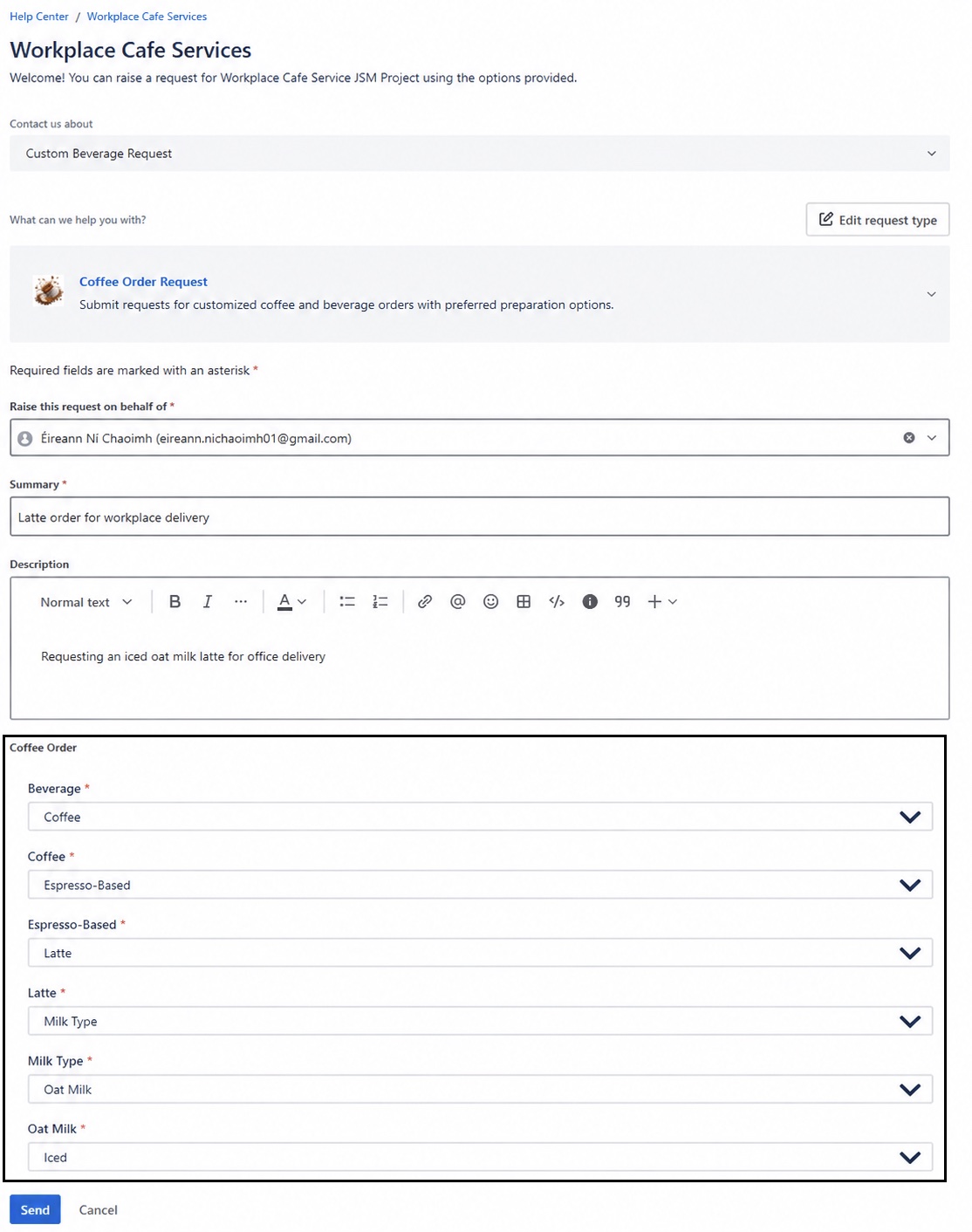

If you view your upcoming Atlassian Implementation as a mere software installation, you’ve already compromised your enterprise’s operational stability for the next decade. With 94% of enterprises now utilizing cloud services and Atlassian Data Center products facing a definitive end-of-life in March 2029, the stakes for a flawless deployment have never been higher. You’re likely struggling with fragmented data silos and the high complexity of Jira Service Management configurations, all while trying to mitigate security risks during a high-pressure migration.

We understand that the true challenge isn’t just technical; it’s about overcoming resistance among legacy teams and ensuring your infrastructure supports global growth. By combining technical expertise with a focus on long-term operational stability, Test Triangle helps you align Technology, Talent, and Transformation to turn these hurdles into a competitive advantage. This guide promises a comprehensive roadmap to master the complexities of your deployment, helping you achieve a seamlessly integrated DevOps and ITSM environment.

We’ll examine how to leverage the latest Jira 11.3 LTS features and AI-driven agents to drive a higher ROI from your software investments and ensure robust, scalable growth for your global organization.

Key Takeaways

  • Discover how to move beyond basic configurations by treating your Atlassian Implementation as a holistic business asset tailored for the rigorous demands of regulated industries.
  • Apply a 5-step strategic roadmap built on the Method-Action-Result framework to ensure your deployment is grounded in a comprehensive workflow audit.
  • Analyze the 2026 architectural landscape to determine whether the AI-driven scalability of the Cloud or the residency control of Data Center best serves your global infrastructure.
  • Secure long-term operational stability by prioritizing change management and platform proficiency to overcome the primary killer of enterprise software: user resistance.
  • Accelerate your digital transformation by leveraging the expertise of a Trusted Partner who bridges the gap between technical execution and business-wide transformation.

Defining Atlassian Implementation as a Strategic Business Asset

Atlassian Implementation represents the holistic process of configuring, integrating, and optimizing the software suite to drive enterprise-scale operations. It is a fundamental shift from basic tool adoption to a strategic alignment of business goals. As the Atlassian Corporation has evolved into a powerhouse of collaboration and ITSM tools, the complexity of managing these systems has grown exponentially. For global enterprises in 2026, a standard “out-of-the-box” setup is no longer sufficient. Sectors like finance, healthcare, and retail face rigorous compliance requirements and data residency laws that generic configurations simply cannot address. By choosing a dedicated Atlassian Implementation strategy, organizations move beyond simple installation to build a robust foundation for digital transformation.

The role of a Strategic Architect is vital in this landscape. Instead of merely checking boxes on a configuration list, these experts engage in deep business process re-engineering. They examine how work flows from a developer’s keyboard in Bitbucket to a support agent’s queue in Jira Service Management. This ensures that the technology serves the talent, rather than forcing teams to adapt to rigid, inefficient tools. By aligning Jira, Confluence, and Bitbucket, enterprises create a single source of truth that eliminates departmental silos and provides C-suite executives with the real-time data needed for informed decision-making.

The Core Components of an Enterprise Stack

Building a superior digital infrastructure requires a methodical approach to each product in the stack. By following a structured delivery model, Test Triangle helps businesses elevate their operational maturity through these core pillars:

  • Strategic Mapping of Jira Software: We optimize Jira for agile development and complex project tracking, ensuring workflows match your specific team dynamics.
  • Confluence as a Knowledge Hub: We leverage Confluence as a high-velocity knowledge management center, capturing institutional intelligence to prevent data loss.
  • AI-Driven ITSM: By integrating Jira Service Management, we accelerate service delivery through modern, task-specific AI agents that handle routine requests flawlessly.

By focusing on these components, enterprises can achieve a seamlessly integrated environment that supports global growth.

Why Implementation Fails Without Strategic Oversight

Success is never guaranteed by the software alone. Many organizations fail because they ignore the hidden costs of tool sprawl and unmanaged plugin ecosystems. Without professional IT Service Management services, businesses often face data fragmentation that cripples DevOps productivity. This fragmentation creates security risks and makes compliance audits nearly impossible to pass. Atlassian Implementation is a multi-layered journey involving technical precision and cultural readiness.

A 5-Step Strategic Roadmap for Flawless Atlassian Deployment

Achieving operational stability requires more than just a software setup; it demands a disciplined framework that aligns technical execution with business objectives. We utilize a Method-Action-Result framework to ensure every phase of your deployment delivers measurable value. By establishing clear protocols from the outset, global enterprises can mitigate the risks of data silos and configuration errors that often plague unguided installations. Success isn’t found in a setup wizard. It’s found in a structured path that treats your infrastructure as a living ecosystem.

Every successful Atlassian Implementation begins with a rigorous Discovery Phase. Before a single license is provisioned, we audit your existing workflows to identify bottlenecks and redundancies. This step is critical for organizations operating across multiple time zones where a lack of coordination can lead to significant downtime. By integrating sophisticated IT Service Management solutions, we bridge the gap between development and operations, ensuring that your ITSM environment is as agile as your DevOps pipeline. To minimize disruption, we employ an Iterative Rollout strategy, allowing for departmental transitions that respect local operational hours and minimize the impact on global productivity.

Phase 1 & 2: Audit and Architectural Design

By conducting a comprehensive audit of current software testing and DevOps processes, our architects identify the specific needs of your talent pool. We design a scalable hierarchy for Jira projects and Confluence spaces that supports future growth without creating administrative overhead. For clients in highly regulated sectors, we ensure every architectural decision maintains compliance with industry-standard benchmarks such as GxP for life sciences or ISO standards for financial services. This strategic mapping ensures your data remains secure and your processes stay audit-ready.

Phase 3 to 5: Configuration, Migration, and Optimization

During the execution of your Atlassian Implementation, our focus remains on data integrity and performance. We develop custom workflows that automate repetitive tasks, which helps reduce lead times and empowers teams to focus on high-value innovation. Migration isn’t a one-time event but a transition into continuous optimization. We implement feedback cycles to ensure the platform evolves alongside your business requirements. If you’re ready to elevate your digital infrastructure, it’s time to consult with our strategic architects to build a robust roadmap for your enterprise transformation.

Architectural Decisions: Cloud-First vs. Data Center in 2026

By analyzing the current technological trajectory, enterprises face a pivotal choice between the rapid innovation of the Cloud and the granular control of the Data Center. With the official end-of-life for Atlassian Data Center products set for March 28, 2029, the window for long-term on-premise planning is narrowing. However, for organizations in banking or life sciences, the transition isn’t always immediate. A robust Atlassian Implementation requires a nuanced understanding of these architectural paths to ensure that technology serves as a catalyst for growth rather than a legacy burden. While 94% of enterprises have already embraced cloud services, the decision to migrate must be balanced against specific regulatory and operational needs.

In 2026, Atlassian Cloud has matured into a superior platform, boasting task-specific AI agents like Rovo, which now serves over 5 million monthly active users. Scalability is no longer a manual effort; it’s a native feature that allows global teams to expand without infrastructure bottlenecks. By leveraging Atlassian Consulting, businesses can navigate the complexities of this migration, ensuring that the shift to cloud-native environments enhances rather than hinders operational stability. For those not yet ready for a full transition, a hybrid approach often serves as the most effective strategy, particularly when utilizing the Bitbucket Hybrid License to maintain continuity across diverse environments.

Security and Compliance in the Atlassian Cloud

Modern Atlassian Implementation plans must address the rigorous demands of GDPR, HIPAA, and industry-specific security protocols from day one. By adopting a “Zero Trust” architecture, we ensure that every access point within your Jira and Confluence environment is verified and secure. We treat security not as a peripheral feature but as the bedrock of a successful cloud implementation. This disciplined approach mitigates risks and provides the institutional maturity required to operate in a global digital landscape.

Infrastructure Integration: ServiceNow and AWS

To achieve a truly unified enterprise service desk, it’s essential to synchronize your Atlassian tools with ServiceNow Consulting Services. This integration allows for a seamless flow of data between development and support teams, reducing resolution times and elevating the user experience. For organizations that still require Data Center deployments for specific workloads, leveraging AWS provides the high-availability and robust infrastructure needed to maintain performance. By combining these powerful platforms, Test Triangle helps you build a scalable ecosystem that supports both current operations and future transformation.

Mitigating Risks and Driving Adoption Through Change Management

Transformation serves as the final, most critical pillar of our core triad: Technology, Talent, Transformation. Even the most technically perfect Atlassian Implementation will fail if your workforce is unable or unwilling to adopt the new system. User resistance remains the primary implementation killer in 2026, often stemming from a lack of platform proficiency or fear of disrupted workflows. By proactively addressing these human factors, we ensure your digital infrastructure becomes a catalyst for productivity rather than a source of friction.

Bridging internal skill gaps is a priority for any global enterprise. We leverage specialized staffing solutions to provide the technical expertise required during high-pressure transition phases. This isn’t just about filling seats; it’s about injecting high-level knowledge into your team to accelerate the learning curve. We champion a “Train-the-Trainer” model to embed platform sustainability within your organization. This approach empowers your internal leads to become self-sufficient, ensuring that your investment in the Atlassian stack continues to yield a high ROI long after the initial deployment is complete.

Talent Alignment: Ensuring Your Team is Ready

Identifying “Atlassian Champions” within your departments is essential for driving organic adoption. These individuals act as internal advocates, providing peer-to-peer support and demonstrating the tangible benefits of the new workflows. For specialized sectors, we utilize IT staffing agencies for the pharmaceutical industry to source expert Jira administrators who understand the unique regulatory constraints of GxP environments. By fostering a continuous learning culture, we help your talent evolve alongside your technology.

The Role of Managed Services in Post-Implementation Success

System health requires vigilant oversight that extends beyond the initial rollout. Utilizing Managed Outsourcing Services ensures that your platform remains optimized, secure, and up-to-date with the latest feature releases. We help you transition from project-based work to “Managed Excellence” through clearly defined SLAs that prioritize uptime and performance. A successful Atlassian Implementation is a living process that evolves with your business goals. If you’re ready to secure the future of your digital operations, reach out to our strategic consultants today.

Strategic Atlassian Implementation: A Comprehensive Guide for Enterprise Transformation in 2026

Accelerating Transformation with Test Triangle’s Consulting Expertise

Partnering with a global IT leader allows your organization to move beyond basic software adoption into a state of operational excellence. Test Triangle operates at the critical intersection of DevOps, Quality Assurance, and Atlassian ecosystem management. By adopting a “Strategic Architect” approach, we solve the most complex digital challenges facing modern enterprises. Our commitment to flawless execution ensures that your Atlassian Implementation is not just a technical success but a catalyst for business-wide transformation. We prioritize robust security and scalability, ensuring your infrastructure remains resilient in a fast-changing technological landscape.

By combining technical expertise with Software and Digital Assurance Testing, we provide a safety net for your enterprise rollout. This integrated approach ensures that every workflow, automation, and integration is rigorously validated before it reaches your end users. A bug-free rollout is essential for maintaining trust among your talent and ensuring that your digital transformation goals are met without costly setbacks. We leverage adaptable delivery models to meet the unique needs of your business, providing a steady hand through every phase of the deployment journey.

Why Choose a Trusted Partner?

As a proud client of Enterprise Ireland, Test Triangle is recognized for its technical rigor and institutional maturity. We’ve a proven track record of supporting diverse sectors, including Banking and Life Sciences, where precision is non-negotiable. The “Heartbeat” of our service is methodical and highly structured. We move logically from broad capabilities to specific technical solutions, ensuring that every stakeholder remains informed. This results-driven communication style creates a sense of order and comprehensive coverage, mirroring the efficiency we bring to your internal operations.

Next Steps for Your Digital Journey

Initiating your Atlassian Implementation project begins with a dedicated discovery session to audit your current environment and define clear success metrics. Our “Technology. Talent. Transformation.” approach provides a concise summary of our value proposition, ensuring that your long-term success is anchored in recognized global standards. We invite you to engage with our strategic consultants to build a scalable infrastructure that supports your global growth. Contact Test Triangle today to start your journey toward a more stable and efficient digital future.

Architecting Your Digital Future with Strategic Precision

By anchoring your digital transformation in a disciplined roadmap, you empower your teams to innovate without the burden of legacy silos. We’ve examined how architectural precision and proactive change management serve as the foundation for long-term operational stability. A successful Atlassian Implementation requires more than just technical configuration; it demands a strategic alignment of your entire business ecosystem to meet the rigorous standards of 2026. As a Strategic Partner of Atlassian, ServiceNow, and AWS, Test Triangle brings institutional maturity to every project, ensuring your infrastructure is both robust and scalable.

By leveraging our global presence across Europe, North America, and Asia, we provide the steady hand needed to navigate complex migrations and integrations. We remain committed to our core triad of Technology. Talent. Transformation. to help you achieve a state of managed excellence. It’s time to move beyond fragmented data and embrace a flawlessly integrated environment that supports your global growth. Elevate your enterprise with strategic Atlassian Implementation from Test Triangle and secure your competitive advantage today.

Frequently Asked Questions

What is the typical timeline for an enterprise Atlassian implementation?

A typical enterprise timeline ranges from three to nine months depending on user count and integration complexity. By following a structured discovery and audit phase, we ensure every milestone aligns with your business transformation goals. This methodical approach allows global teams to transition without disrupting active development cycles or service delivery. We prioritize a phased rollout to maintain operational stability throughout the process.

How do we migrate from Jira Server to Atlassian Cloud without losing data?

We ensure data integrity by utilizing the Atlassian Cloud Migration Assistant alongside custom pre-migration scripts to audit and clean your database. By performing comprehensive trial migrations in sandbox environments, we validate every data point before the final cutover. This disciplined process eliminates the risk of data loss and ensures a flawless transition to cloud-native environments that support your long-term growth.

Can Atlassian tools be integrated with legacy systems like ServiceNow?

Atlassian tools can be seamlessly synchronized with ServiceNow using robust APIs or specialized integration connectors. By bridging these platforms, we create a unified enterprise service desk that allows information to flow between development and IT support teams without friction. This integration optimizes incident management and accelerates resolution times across your entire digital infrastructure, ensuring a superior experience for both employees and customers.

Is it possible to implement Atlassian Cloud in highly regulated industries like Healthcare or Finance?

Implementing Atlassian Cloud in highly regulated sectors is entirely possible through Atlassian’s Enterprise plans which offer advanced data residency and compliance features. We configure these environments to meet specific GDPR, HIPAA, and ISO requirements, ensuring that your Atlassian Implementation remains secure and audit-ready. This approach provides the institutional maturity needed for Banking and Life Sciences to thrive in the cloud while mitigating compliance risks.

What is the difference between an Atlassian implementation and a simple software setup?

A simple software setup focuses on basic installation, whereas a strategic Atlassian Implementation involves deep business process re-engineering and architectural design. We align the toolset with your unique talent and transformation goals to create a scalable ecosystem. This ensures the platform supports long-term operational stability rather than just providing a generic project management tool that fails to meet enterprise demands.

What happens if our internal team doesn’t have the expertise for a complex Jira configuration?

If your internal team lacks specialized Jira configuration expertise, we provide high-level IT Staffing Services to fill those critical skill gaps. Our experts act as Strategic Architects, guiding your staff through complex setups while embedding best practices within your organization. This ensures your platform is configured correctly from day one without placing an undue burden on your existing resources or compromising your technical standards.

How does Test Triangle ensure security during the Atlassian migration process?

Security is maintained through a Zero Trust framework and end-to-end encryption of all data in transit and at rest. By conducting rigorous security audits and vulnerability testing during the migration, we mitigate risks and protect your intellectual property from potential threats. As a Trusted Partner, we prioritize your data’s safety as the bedrock of the entire transformation process, ensuring a secure transition for your global operations.

What are the ongoing costs associated with a managed Atlassian environment?

Ongoing costs typically include annual software licenses and investment in Managed Outsourcing Services for continuous optimization and system health. By partnering with us, you gain a predictable cost model that ensures your platform evolves with your business requirements. This strategic oversight helps you leverage your licenses more effectively and drives a higher ROI from your software investments by maintaining peak operational performance.

Paul Guy

Article by

Paul Guy

Paul serves as the Marketing Director at Test Triangle, where he leads a global team in driving growth through strategic B2B marketing and brand communications. With a strong emphasis on measurable outcomes and sustainable performance, he plays a pivotal role in aligning marketing functions to enhance customer engagement and accelerate business impact. Under his leadership, marketing initiatives have consistently delivered significant returns on investment, elevated brand visibility, and strengthened the company's presence across key markets.
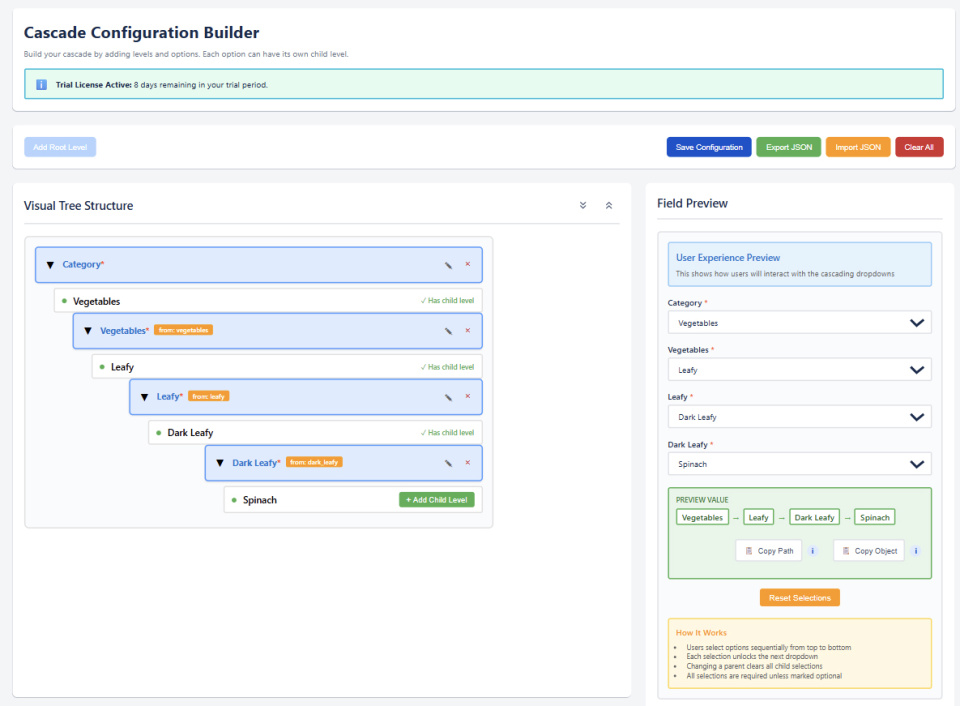

By 2026, the financial burden of managing technical debt will consume 40% of the average enterprise IT budget, effectively paralyzing innovation for any organization relying on fragmented Digital Transformation Services. You already understand that reconciling application sprawl with rigid compliance requirements often leads to significant business disruption during cloud transitions. It’s a delicate balance that requires more than just new software; it requires a steady hand to maintain continuity. At Test Triangle, we believe that true agility isn’t found in tools alone but in the strategic orchestration of complex ecosystems.

As your Trusted Partner, we promise to show you how a disciplined synergy of technology, talent, and transformation drives measurable ROI while ensuring long-term operational stability. By aligning robust DevOps practices with Jira Service Management and other high-tier ITSM platforms, global enterprises can finally eliminate silos and accelerate delivery cycles. This roadmap previews how to leverage flexible staffing models and intelligent automation to reduce operational costs by 30% and achieve a seamless infrastructure for the years ahead. Technology. Talent. Transformation.

Key Takeaways

  • Understand the pivotal shift from “Cloud-First” to “Value-First” strategies, ensuring your organizational evolution prioritizes measurable ROI and long-term operational stability.
  • By leveraging our specialized Digital Transformation Services, enterprises can synchronize technology and talent to eliminate fragmented infrastructure and accelerate global agility.
  • Evaluate the strategic integration of Atlassian, ServiceNow, and AWS to create robust, automated workflows that empower a modern and distributed workforce.
  • Gain actionable insights from real-world case studies demonstrating how a multi-phase DevOps roadmap can successfully modernize complex, high-stakes IT environments.
  • Learn to identify a trusted partner by prioritizing institutional maturity and specialized industry knowledge to mitigate risks in sensitive sectors like Life Sciences.

What are Digital Transformation Services in the 2026 Landscape?

By integrating advanced technological frameworks with organizational culture, Digital Transformation Services enable global enterprises to pivot from rigid legacy structures to agile, value-driven operations. This evolution is no longer about simple digitization; it’s about a fundamental shift in how value is delivered across the entire business ecosystem. By 2026, the global economy has moved from “Cloud-First” strategies, which often resulted in uncontrolled spending, to “Value-First” models. Recent data from IDC indicates that 65% of G2000 organizations now prioritize specific business outcomes over infrastructure migration alone to ensure long-term financial viability.

To ensure your strategy aligns with these value-driven models, you can learn more about AEConsulting and their strategic advisory services.

In sectors like Banking and Life Sciences, the stakes remain exceptionally high. These industries often rely on legacy systems that are over 25 years old. They require specialized transformation approaches that respect strict regulatory compliance while introducing modern flexibility. By leveraging the expertise of a Trusted Partner, these organizations can modernize without disrupting critical patient care or financial transactions. Managed Service Providers (MSPs) play a vital role here. They ensure post-transformation stability by providing the continuous oversight needed to maintain peak performance. This holistic approach combines Technology, Talent, and Transformation to secure a competitive edge in a volatile market.

The Core Pillars of Modern Transformation

Infrastructure Modernisation now moves beyond simple lift and shift strategies. It focuses on cloud-native architectures that allow for near-instant scalability. Data Intelligence has also evolved. By utilizing AI and DataOps, executives can now access real-time insights that drive strategic decision-making. Operational Resilience ensures that systems are robust enough to withstand global market fluctuations and security threats. Since 2024, cyber-resilience has become a non-negotiable component of any successful transformation roadmap.

The 2026 ROI Reality Check

The metrics for success have shifted. Companies now prioritize value-creation metrics over traditional cost-cutting measures to measure the health of their digital investments. A primary barrier to this agility is Application Sprawl. Industry audits from 2025 show that 38% of SaaS spend is wasted on redundant or underutilized tools. Identifying these inefficiencies is the first step toward reclaiming operational speed and improving the bottom line. Digital Transformation is the intersection of operational efficiency and technological innovation.

This spirit of innovation is not limited to the tech sector; forward-thinking consumer brands are also redefining their industries with bold, modern concepts. To see how this translates to a contemporary dining experience that fuels the modern workforce, you can learn more about Tacoverse.

The Test Triangle Framework: Technology, Talent, and Transformation

By integrating a triad of core competencies, Test Triangle ensures that Digital Transformation Services move beyond theoretical planning into operational reality. Technology alone rarely solves structural inefficiency; real progress requires a Strategic Architect approach to bridge the gap between legacy systems and modern cloud environments. By deploying flexible engagement models, enterprises can toggle between offshore, remote, and onsite staffing as project demands fluctuate. This agility reduces overhead while maintaining a steady velocity for complex IT ecosystems.

Aligning DevOps engineering with broader business objectives accelerates time-to-market. When engineering teams prioritize business outcomes over mere ticket completion, deployment frequency can increase significantly. Based on 2024 DORA metrics, high-performing teams see 200 times more frequent code deployments than their peers. This strategic alignment ensures every sprint contributes directly to the enterprise’s bottom line.

Technology: Leveraging Global Standards

By anchoring digital infrastructure in platforms like Atlassian, ServiceNow, and AWS, organizations build a unified digital backbone. Authorized partner expertise is critical because it transforms a standard platform deployment into a customized engine for growth. Test Triangle ensures flawless execution by applying rigorous automation and performance testing. This methodology eliminates manual errors and secures the robust performance required for 2026 enterprise standards. Utilizing Digital Transformation Services that prioritize platform customization allows for a 30 percent improvement in operational efficiency according to recent industry benchmarks.

Talent: The Human Engine of Change

The global IT talent gap is projected to reach 85 million people by 2030, according to research by Korn Ferry. Test Triangle solves this through specialized recruitment and the Managed Staffing model. Unlike traditional recruitment, this model provides ongoing oversight and performance management, ensuring that resources remain aligned with the client’s long-term roadmap.

Pharma IT staffing requires a different pedagogical approach than general tech staffing. It demands a deep understanding of GxP compliance and validated systems that generalists lack. By sourcing niche experts who understand these regulatory nuances, businesses can leverage specialized Digital Transformation Services to maintain regulatory integrity while innovating. This specialized focus reduces the risk of compliance failures, which can cost life sciences firms millions in potential fines and delayed product launches.

Digital Transformation Services: A Strategic Roadmap for Enterprise Agility in 2026

Platform Selection: Atlassian, ServiceNow, and AWS Integration

By aligning technical architecture with long-term business goals, enterprises ensure their Digital Transformation Services yield measurable ROI rather than just incremental change. Selecting the right platform isn’t merely a procurement decision; it’s a strategic commitment to an operational engine. Through precise ServiceNow implementation, organizations transform IT Service Management (ITSM) from a reactive cost center into a proactive value driver. According to the 2024 ServiceNow Value Report, companies leveraging automated workflows see a 30% reduction in Mean Time to Resolution (MTTR), directly enhancing the modern workforce’s productivity.

Atlassian consulting provides the necessary framework to bridge the historical gap between development and operations teams. By deploying Jira Service Management, businesses accelerate deployment cycles by up to 40%, creating a unified language for technical and non-technical stakeholders. Building on this, AWS Cloud Migration offers the elastic foundation required for 2026’s data-intensive applications. Flexera’s 2024 State of the Cloud Report indicates that 69% of IT leaders now prioritize heavy cloud migration to achieve the scalability needed for AI-driven Digital Transformation Services.

  • ServiceNow: Best for orchestrating complex enterprise-wide workflows and cross-departmental service delivery.
  • Atlassian: Ideal for high-velocity software teams requiring deep integration between project management and incident response.
  • AWS: The essential infrastructure layer for hosting microservices and managing global data footprints.

Choosing the Right Engine for Your Transformation

Deciding when to prioritize specific platforms depends on the organization’s primary friction points. If the goal is enterprise-wide workflow automation across HR, legal, and IT, ServiceNow offers the most robust governance. Conversely, software-centric organizations find a strategic advantage in Atlassian’s ecosystem, where Jira’s agility supports rapid iteration. For those maintaining legacy hardware, hybrid-cloud strategies combining AWS with on-premise requirements provide a low-risk path toward modernization without disrupting core stability.

The Power of Integrated Ecosystems

Breaking down silos requires more than just new software; it demands functional interoperability. Integrating ServiceNow with AWS drives cross-departmental efficiency by allowing automated infrastructure provisioning directly from service tickets. For Atlassian users, the case for Atlassian Cloud Migration is increasingly clear. Forrester’s 2023 Total Economic Impact study shows that cloud-migrated teams experience a 20% reduction in administrative overhead while gaining superior security and instant access to feature updates. A Trusted Partner acts as the strategic intermediary that translates complex technical features into sustainable business outcomes through rigorous platform optimization. By focusing on Technology. Talent. Transformation., Test Triangle ensures these ecosystems don’t just exist, but excel.

Case Study: Modernising Global Operations for a High-Stakes Enterprise

Facing the complexities of a global market, a high-stakes enterprise recently sought to rectify its fragmented IT infrastructure. This organization, a leader in the financial services sector, struggled with 18 disparate legacy systems that hampered data flow and slowed response times. By partnering with Test Triangle, they moved away from siloed operations toward a unified, agile environment. This strategic shift was not merely a technical upgrade; it was a total overhaul designed to ensure long-term operational stability and market competitiveness through tailored Digital Transformation Services.

Phase 1: Strategic Technology Roadmapping

By conducting a comprehensive 6-week audit of the client’s existing technical debt, our team identified 45 redundant applications that were draining resources without adding value. We acted as a Strategic Architect, mapping out a roadmap that prioritized the decommissioning of obsolete software while identifying key performance indicators (KPIs) to measure success. These metrics focused on Mean Time to Recovery (MTTR) and deployment lead times. To mitigate risks, we established a robust security and compliance framework that aligned with ISO 27001 standards, ensuring that every step of the transformation remained secure and audit-ready.

Phase 2: Execution and Talent Integration

Leveraging our flexible engagement models, we deployed a specialized team of offshore DevOps engineers to accelerate the development of a modern CI/CD pipeline. This talent integration allowed the client to scale their technical capabilities without the overhead of local hiring. We implemented automated testing services to replace manual, error-prone cycles, ensuring superior software quality across all business units. To further eliminate release bottlenecks that were stalling delivery, the enterprise also evaluated outsourced QA services as a force multiplier for their internal testing teams. By utilizing Atlassian tools such as Jira Service Management and Confluence, we provided a transparent project management environment. This ensured that stakeholders had real-time visibility into the transformation’s progress, fostering a culture of accountability and precision.

The results of this collaboration underscore the power of our core philosophy: Technology. Talent. Transformation. Within the first 12 months of implementation, the enterprise achieved a 30% reduction in annual operational costs. Furthermore, the frequency of software deployments increased from once per quarter to twice per week, representing a significant boost in enterprise agility. This transition allowed the client to respond to market shifts in days rather than months, securing their position as a modern digital leader.

As a Trusted Partner, Test Triangle provides the strategic oversight and technical depth required to optimize your legacy environment. Explore our Digital Transformation Services

Selecting Your Digital Transformation Services Partner

By prioritizing a blend of global reach and local technical expertise, enterprises can secure Digital Transformation Services that don’t just innovate but also stabilize. Selecting a partner in 2026 requires looking beyond basic technical proficiency to find “Institutional Maturity.” This trait ensures a provider understands the complex regulatory frameworks of sectors like Life Sciences or Banking, where a single compliance error can result in millions of euros in fines. By aligning with a partner that possesses deep industry-specific knowledge, businesses can mitigate 100% of the risks associated with GxP compliance and data integrity standards.

Flexible engagement models are another non-negotiable factor for long-term scalability. As market conditions shift, your partner must offer the agility to pivot from a pure consultancy role to a full-scale technical delivery team. This versatility prevents the “vendor lock-in” that frequently stalls growth in 40% of enterprise-level projects. By combining high-level strategic oversight with on-demand technical talent, Test Triangle provides the steady hand required to maintain operational equilibrium during rapid shifts in the technological landscape.

The Trusted Partner Checklist

By conducting a rigorous audit of potential partners, IT leaders can ensure their Digital Transformation Services are built on a foundation of recognized excellence. Use the following criteria to evaluate your options:

  • Certifications and Partnerships: Verify that the firm is an authorized partner for Atlassian, ServiceNow, and AWS. These credentials guarantee that your team is leveraging the full power of Jira Service Management and cloud-native architectures.
  • Industry Experience: Ensure they have a proven track record in your specific niche. In the Life Sciences sector, for example, they must demonstrate an understanding of validated systems and regulatory nuances.
  • Scalability: A true partner provides more than just a roadmap; they provide the specialized talent to execute it. They should offer the capacity to scale your technical workforce by 50% or more within a single quarter if project demands increase.

Drive Your Transformation Today

Initiating your journey begins with a structured discovery session designed to audit your legacy environment and identify immediate automation opportunities. By launching a 90-day pilot project, your organization can demonstrate tangible ROI, often achieving a 25% reduction in manual processing times before a full-scale rollout begins. This phased approach allows for the “fail-fast” mentality required for modern agility without risking the stability of your core business functions.

Test Triangle stands ready to serve as your Strategic Architect in an increasingly complex world. We don’t just provide tools; we provide the visionary leadership and practical execution needed to turn your digital roadmap into a competitive advantage. Reach out to our consultants today to begin your evolution. Technology. Talent. Transformation.

Securing Your Competitive Advantage for 2026

Navigating the complex 2026 landscape requires more than just adopting new software; it demands a holistic integration of Atlassian, ServiceNow, and AWS to ensure operational fluidity. By leveraging the Test Triangle framework of Technology, Talent, and Transformation, global enterprises bridge the gap between legacy systems and modern agility. Selecting the right Digital Transformation Services partner is the final, most critical step in this strategic journey. As an Authorized Atlassian and ServiceNow Partner, Test Triangle provides the technical rigor needed to support Fortune 500 companies within the Finance and Life Sciences sectors. With global delivery centers operating in Dublin, London, and Hyderabad, we ensure around-the-clock strategic support and localized expertise. By aligning robust platform integrations with a culture of continuous improvement, your organization can achieve the enterprise agility required for the 2026 marketplace. It’s time to turn your strategic roadmap into a tangible competitive advantage and lead your industry with confidence.

Partner with Test Triangle for your Digital Transformation journey

Frequently Asked Questions

What are the primary benefits of digital transformation services for large enterprises?

Enhanced operational agility and data-driven decision-making are the primary benefits for large organizations. By integrating Digital Transformation Services, enterprises can reduce time-to-market by 30% according to McKinsey reports. This strategic shift allows organizations to leverage real-time analytics to optimize supply chains and elevate customer experiences across global touchpoints. We help you transition from legacy constraints to a flexible, scalable architecture.

How does Test Triangle ensure business continuity during a cloud migration?

Test Triangle ensures business continuity by utilizing a phased migration approach backed by 24/7 monitoring. By leveraging Atlassian and ServiceNow integrations, we maintain 99.9% uptime during the transition. Our consultants implement robust disaster recovery protocols that guarantee data integrity. Your critical systems remain operational while we migrate legacy workloads to the cloud, providing a flawless transition without service interruptions.

What is the difference between digital transformation and simple IT modernization?

Digital transformation involves a fundamental cultural and operational shift, whereas IT modernization focuses solely on upgrading legacy hardware or software. Modernization might replace a server, but transformation leverages technology to redefine the entire business model. According to Gartner, 91% of businesses are engaged in digital initiatives. Only those who integrate talent and technology achieve true enterprise agility through a strategic, vision-led approach.

How do you manage compliance and security in digital transformation for the pharmaceutical industry?

We manage compliance by implementing GxP-compliant frameworks and automated validation tools within the digital ecosystem. By integrating Jira Service Management with strict audit trails, Test Triangle ensures every software update meets FDA 21 CFR Part 11 requirements. This strategic approach mitigates risk while accelerating the deployment of critical life sciences applications. We prioritize security to ensure your data remains protected in highly regulated environments.

Why is talent acquisition a critical component of digital transformation services?

Talent acquisition is a critical component because 70% of digital initiatives fail due to a lack of skilled personnel according to BCG data. Successful Digital Transformation Services require a blend of technical expertise and strategic vision that internal teams often lack. By securing specialized talent through our flexible engagement models, organizations bridge the skills gap. This ensures that new technologies are adopted effectively across the enterprise.

Can digital transformation services help in reducing long-term IT maintenance costs?

Yes, digital transformation reduces long-term maintenance costs by replacing fragmented legacy systems with scalable, automated cloud infrastructures. Organizations often see a 20% reduction in operational expenditures within the first 24 months. By optimizing workflows and leveraging AI-driven analytics, enterprises eliminate the technical debt that typically consumes 60% of corporate IT budgets. This shift allows you to reallocate resources toward innovation rather than upkeep.

How long does a typical enterprise-level digital transformation project take?

A typical enterprise-level digital transformation project spans 12 to 24 months depending on the complexity of the infrastructure. While initial pilot phases deliver measurable results within 6 months, achieving full organizational agility requires a multi-year roadmap. Test Triangle utilizes a methodical framework to deliver incremental value throughout this timeline. We ensure that strategic objectives are met at every milestone while maintaining operational stability.

What role does DevOps play in a successful digital transformation strategy?

DevOps acts as the engine for continuous delivery by bridging the gap between development and operations teams. By implementing automated CI/CD pipelines, businesses increase deployment frequency by 200 times compared to traditional models. This collaboration is essential for a successful strategy because it fosters a culture of stability and rapid innovation. We leverage tools like Jira to accelerate software delivery and ensure a robust digital landscape. Enterprises looking to further strengthen their release confidence should also explore a quality assurance outsourcing strategy to scale AI-augmented testing capabilities alongside their DevOps pipelines.

Paul Guy

Article by

Paul Guy

Paul serves as the Marketing Director at Test Triangle, where he leads a global team in driving growth through strategic B2B marketing and brand communications. With a strong emphasis on measurable outcomes and sustainable performance, he plays a pivotal role in aligning marketing functions to enhance customer engagement and accelerate business impact. Under his leadership, marketing initiatives have consistently delivered significant returns on investment, elevated brand visibility, and strengthened the company's presence across key markets.
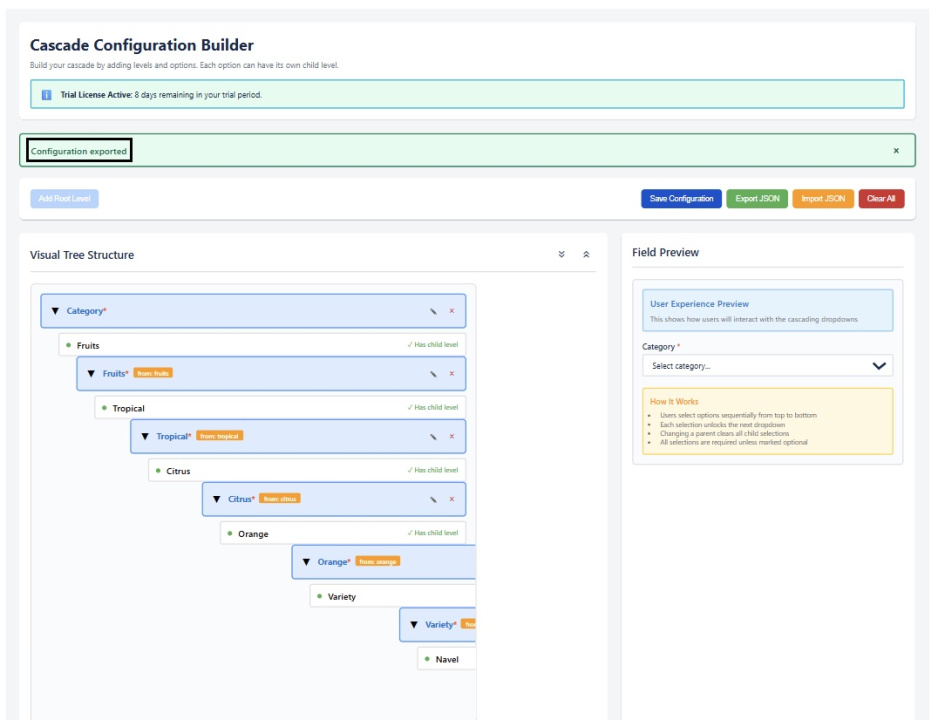

According to a 2023 Gartner report, 70% of digital transformation initiatives fail to reach their full potential due to poor strategic alignment and talent shortages. You likely recognize that a successful ServiceNow Implementation requires more than just technical configuration; it’s a process that demands total synchronization of your organizational culture and legacy data. Finding specialized architects who understand the nuances of 2026 market demands is a persistent struggle for 54% of IT leaders globally. By combining technical expertise with adaptable delivery models, Test Triangle helps businesses eliminate these risks while ensuring their complex digital infrastructures are in safe hands.

This guide empowers you to master the complexities of your deployment through a strategic roadmap designed to align Technology, Talent, and Transformation. As your Trusted Partner, we’ll demonstrate how to drive seamless workflow automation and establish scalable platform governance that delivers a proven ROI within 12 months. We’ll explore the specific frameworks necessary to transition from fragmented legacy systems to a unified, superior digital ecosystem.

Key Takeaways

  • By evolving from legacy ITSM to a Total Experience (TX) model, enterprises can leverage ServiceNow as a catalyst for comprehensive, enterprise-wide digital workflow transformation.
  • Discover how to execute a flawless ServiceNow Implementation by integrating the “Now Create” methodology with a strategic “Measure Twice, Cut Once” technical roadmap.
  • Protect your digital infrastructure from the technical debt trap by establishing rigorous governance frameworks that maintain platform integrity and ensure long-term scalability.
  • Navigate complex regulatory landscapes in the pharmaceutical and financial sectors by aligning platform capabilities with global compliance standards and industry-specific requirements.
  • Bridge the gap between software acquisition and strategic execution by utilizing the triad of Technology, Talent, and Transformation to drive superior business outcomes.

The Strategic Landscape of ServiceNow Implementation in 2026

By positioning the platform as the central nervous system of the enterprise, modern ServiceNow Implementation involves a total transformation of digital workflows rather than a simple software deployment. In 2026, the platform has transcended its origins as a tactical ticketing tool to become a Total Experience (TX) powerhouse. This evolution requires a “Strategic Architect” mindset, where technical execution aligns perfectly with long-term business agility. Organizations that treat this process as a mere IT project often fail to capture the full ROI. Instead, a successful ServiceNow Implementation relies on a holistic view of the ServiceNow company overview, acknowledging its shift from a cloud-based provider to an AI-first platform-as-a-service leader. By leveraging our Technology. Talent. Transformation. triad, Test Triangle acts as a Trusted Partner to ensure these complex infrastructures deliver measurable competitive advantages.

Beyond ITSM: The Rise of Unified Digital Workflows

The 2026 enterprise landscape demands a unified pane of glass that connects HR, Customer Service, and IT operations seamlessly. By integrating these disparate functions into a single workflow engine, businesses can eliminate the 40% productivity loss typically caused by departmental silos. Our flexible engagement models focus on creating a frictionless environment where data flows across the organization without manual intervention. Cross-Departmental Synergy is the orchestrated alignment of distinct business units through a shared digital fabric that ensures data consistency and operational speed.

  • HR Integration: Automating employee lifecycle events from onboarding to retirement.
  • Customer Service: Linking front-end requests directly to back-end IT resolution teams.
  • IT Operations: Moving from reactive troubleshooting to predictive system health management.

The 2026 AI Factor: Implementing with ‘Now Assist’

The 2026 release of ServiceNow has made ‘Now Assist’ the cornerstone of every deployment strategy. By embedding Generative AI (GenAI) into the core architecture, the platform now offers automated code generation that reduces development cycles by up to 65%. This shift allows our architects to accelerate the implementation timeline, moving from conceptual design to go-live faster than ever before. AI doesn’t just speed up the build; it transforms the end-user experience. With advanced natural language processing, self-service capabilities have reached a 92% deflection rate, significantly reducing the burden on human agents. Through this AI-first approach, we empower clients to drive innovation while maintaining a robust and secure digital environment.

By combining technical expertise with adaptable delivery models, Test Triangle helps businesses reduce costs and elevate their operational standards. We remain committed to delivering superior results that reflect our status as a visionary partner in the global technology ecosystem.

A Proven Framework: The 5 Pillars of Successful Deployment

Executing a ServiceNow Implementation requires more than technical proficiency; it demands a strategic architecture that aligns platform capabilities with long-term business objectives. At Test Triangle, we enhance the standard “Now Create” methodology with our own layer of strategic rigour. We operate on a “Measure Twice, Cut Once” philosophy. This means every technical decision is vetted against its impact on future scalability and operational stability. By shifting from project-based thinking to platform-based thinking, we ensure your investment doesn’t become a static tool but evolves as a dynamic engine for growth.

The initial 30 days of any engagement determine its trajectory. During this window, we prioritize stakeholder alignment across the C-suite and IT operations. We’ve observed that 65% of implementation delays stem from misaligned expectations rather than technical hurdles. By securing executive buy-in and defining clear ownership early, we mitigate risks before they manifest as costly bottlenecks.

Discovery and Strategic Roadmapping

Success begins with a comprehensive audit of your current state versus your desired future architecture. We don’t just look at software; we analyze the workflows that drive your business. We establish key performance indicators (KPIs), such as a 25% reduction in mean time to resolution (MTTR), from Day 1. Our teams develop a “Value Realization” map that tracks these metrics throughout the lifecycle. This ensures every configuration choice translates into a tangible business outcome, providing a clear path for digital transformation.

Agile Configuration vs. Customization

We advocate for an “Out-of-the-Box” (OOTB) first approach. While customization offers specific tailoring, it often creates a maintenance liability that complicates future upgrades. Adhering to at least 80% OOTB functionality reduces technical debt by nearly 40% over three years. We only recommend customization when it provides a distinct competitive advantage. Use this checklist to evaluate custom scripts:

  • Does the feature exist in the upcoming ServiceNow roadmap?
  • Will this script break during a standard version upgrade?
  • Can the requirement be met through low-code Flow Designer logic?
  • Is the business value higher than the long-term maintenance cost?

Rigorous Quality Assurance and Testing

Test Triangle leverages a decade of expertise in manual and automated testing to safeguard your environment. User Acceptance Testing (UAT) is the most common failure point in a ServiceNow Implementation, often due to insufficient test coverage. We bridge this gap by integrating Manual Testing as the vital foundation for validating complex, human-centric workflows. By combining this with automated regression suites, we ensure that new configurations don’t disrupt existing services. This dual-layered approach provides the “flawless execution” our global partners expect, ensuring your platform remains robust and reliable under enterprise-level demand.

ServiceNow Implementation Guide: Strategic Frameworks for 2026

Mitigating Risk: Governance and the Technical Debt Trap

The most frequent reservation stakeholders express during a ServiceNow Implementation is the fear of the platform devolving into an unmanageable tangle of customizations. Without a rigorous governance framework, the initial agility of the system quickly erodes into technical debt. Neglecting platform health leads to a 30% increase in upgrade cycle times within the first two years of operation. This stagnation occurs when teams prioritize short-term “quick fixes” over architectural integrity. By positioning a Strategic Architect at the helm post-deployment, Test Triangle ensures that every configuration aligns with the long-term roadmap. This role acts as a guardian of the “Out-of-the-Box” functionality, ensuring that regular health checks identify and remediate performance bottlenecks before they impact the end-user experience.

Establishing a ServiceNow Center of Excellence (CoE)

A successful CoE functions as the central nervous system for platform growth, comprising a Platform Owner, Lead Architect, and representatives from diverse business units. By centralizing decision rights, the CoE effectively eliminates “shadow IT” where individual departments create siloed, non-standard workflows. This structured oversight ensures that every new feature request undergoes a rigorous impact analysis to maintain a clean ServiceNow Implementation. Organizations that leverage a formal CoE achieve a 25% higher ROI on their platform investment over a three-year period compared to those with decentralized management.

Managing Legacy Integration and Data Integrity

Integrating modern workflows with existing infrastructure requires a surgical approach to data movement. When organizations execute an AWS Cloud Migration, the synchronization between cloud assets and the ServiceNow Configuration Management Database (CMDB) becomes a critical failure point. The “Extract, Transform, Load” (ETL) process in ServiceNow presents unique challenges, specifically regarding data mapping and the reconciliation of duplicate records from legacy systems. Maintaining data hygiene in the CMDB isn’t a one-time event; it’s a continuous discipline. By utilizing automated discovery tools and strict identification rules, we transform the CMDB into a reliable “single source of truth” that supports informed decision-making across the enterprise. Through our commitment to Technology, Talent, and Transformation, Test Triangle serves as a Trusted Partner in securing your digital foundation. Enterprises managing complex tool ecosystems alongside ServiceNow often benefit from Atlassian consulting services Dublin to ensure that platforms like Jira and Confluence are equally optimized and integrated within their broader digital strategy. For organizations seeking a comprehensive approach to enterprise-wide tool optimization, exploring Atlassian Consulting strategies for 2026 can provide the strategic framework needed to transform your software ecosystem from a static utility into a dynamic engine for growth.

Industry-Specific Implementation: Pharma and Regulated Sectors

By combining technical expertise with adaptable delivery models, Test Triangle elevates ServiceNow Implementation beyond simple software deployment. We understand that for global enterprises in pharma and finance, the cost of non-compliance is staggering, with average costs reaching $14.8 million according to 2023 industry reports. Our strategic architects build robust frameworks that prioritize security and auditability, ensuring that digital transformation doesn’t compromise regulatory standing. We act as a Trusted Partner, bridging the gap between high-level business goals and the granular requirements of global regulators.

Just as we provide specialized expertise for regulated IT environments, other complex sectors like urban transport require similar precision; for example, ML Traffic Engineers Australia offers the specialized traffic planning needed to navigate modern infrastructure challenges.

GxP Compliance and Validated Systems for Life Sciences

Pharmaceutical organizations operate under the strict scrutiny of the FDA and EMA, where system integrity is a matter of patient safety. Executing a ServiceNow Implementation in a validated environment requires a methodical approach that aligns with GAMP 5 guidelines. By leveraging specialized Pharma IT Staffing, firms can bridge the talent gap and ensure that every configuration change is documented and tested. We focus on the following core requirements:

  • CFR Part 11 Compliance: We automate the capture of electronic signatures and time-stamped audit trails to meet 21 CFR Part 11 standards.
  • Validation Lifecycle Management: Our team manages the Installation Qualification (IQ), Operational Qualification (OQ), and Performance Qualification (PQ) processes.
  • Data Integrity: We implement strict access controls and data encryption to prevent unauthorized alterations of critical records.

Using these structured methodologies reduces manual documentation errors by approximately 40%. This precision allows life sciences companies to accelerate their “Technology. Talent. Transformation.” journey without fearing the next regulatory audit.

Operational Resilience in Highly Regulated Finance

The financial sector faces a shifting landscape with the Digital Operational Resilience Act (DORA) mandating strict compliance by January 2025. Financial institutions can’t afford downtime; they require systems that are both agile and unbreakable. We help banking clients automate risk management workflows, transforming reactive processes into proactive defense strategies. Our setups emphasize high availability and disaster recovery, targeting a 99.99% uptime to maintain market stability.

Secure your operational future with a partner who understands the complexities of regulated industries. Consult with our compliance experts today to begin your strategic ServiceNow journey.

Partnering for Transformation: The Test Triangle Advantage

By aligning technical proficiency with long-term business objectives, Test Triangle transcends the traditional role of a software reseller. We operate as a strategic architect, ensuring that your ServiceNow implementation serves as a catalyst for organizational change. With a localized presence in Dublin and London, we provide the high-touch consultation global enterprises require, while our international footprint facilitates 24/7 operational continuity. We don’t just deliver a platform; we build a resilient digital foundation. Our status as a trusted partner is reinforced by our work with Enterprise Ireland and our success in highly regulated sectors like Banking and Life Sciences. We bridge the gap between initial software acquisition and the complex reality of strategic execution, ensuring that every workflow contributes to your broader digital evolution.

Flexible Engagement Models: Onshore, Offshore, and Hybrid

Scalability remains a primary concern for 68% of enterprise IT leaders who face fluctuating project demands. To address this, we offer specialized IT Staffing Services that integrate seamlessly with your internal teams for long-term platform support. Our “Follow the Sun” model leverages offices in Dublin, Hyderabad, and Austin to provide uninterrupted support across all global time zones. This hybrid approach allows organizations to balance the cost-efficiency of offshore resources with the high-context proximity of onshore consultants. By deploying managed services that adapt to your specific needs, businesses maintain platform health without the overhead of permanent full-time hires. This flexibility ensures that your ServiceNow implementation remains agile, allowing you to scale resources up or down based on real-time operational requirements.

  • Onshore Support: Direct access to senior consultants in Dublin and London for high-level strategy and complex integrations.
  • Offshore Efficiency: Cost-effective technical maintenance and development through our Hyderabad excellence center.
  • Follow the Sun: Continuous monitoring and 24/7 incident response to minimize downtime across global offices.

Technology. Talent. Transformation: Our Signature Approach

Our core value proposition rests on a triad that defines every project we undertake. First, we leverage cutting-edge technology to automate legacy processes and eliminate manual bottlenecks. Second, our deep recruitment expertise ensures you have access to the specialized talent necessary to manage and evolve the platform. Finally, we drive transformation by aligning IT outputs with measurable business KPIs. As an authorized partner, we ensure your investment yields maximum ROI through disciplined execution and continuous optimization. We focus on mitigating risks while empowering your workforce to focus on high-value innovation. Our methodology transforms IT from a cost center into a primary driver of corporate agility and stability.

Ready to elevate your IT infrastructure? Schedule a ServiceNow Strategic Roadmap Session today to define your path toward operational excellence.

Mastering the Next Frontier of Digital Transformation

Navigating the complexities of a ServiceNow Implementation in 2026 requires more than just technical migration; it demands a robust 5 pillar framework that prioritizes governance to eliminate technical debt before it compromises your ROI. By integrating industry specific protocols for the Pharma and Finance sectors, global enterprises ensure compliance while accelerating their digital evolution. Test Triangle serves as your Trusted Partner, operating through a global delivery model across Dublin, London, Austin, and Hyderabad to provide strategic oversight. As an Authorized ServiceNow Partner, we ensure your infrastructure benefits from the highest standards of precision. By aligning technical execution with long term business outcomes, we’ll help you secure a superior competitive advantage in an increasingly automated marketplace.

Through our unique blend of Technology. Talent. Transformation., we empower your organization to move beyond basic automation toward a state of flawless operational excellence. Elevate your enterprise workflows with our ServiceNow Implementation experts. It’s time to build a more resilient and scalable digital future.

Frequently Asked Questions

What is the typical timeline for a ServiceNow implementation in 2026?

By leveraging AI-driven automation tools available in 2026, a standard ServiceNow implementation typically spans between 4 and 9 months. This timeline accounts for the initial discovery phase and the subsequent deployment of core ITSM modules. While basic setups finish within 16 weeks, complex global deployments involving multiple business units often require the full 36 week cycle to ensure operational stability across the enterprise.

How much does a ServiceNow implementation cost for a mid-sized enterprise?

Mid-sized enterprises should allocate a budget based on industry benchmarks, such as those found in Forrester Total Economic Impact reports, which indicate initial deployment costs often range from $150,000 to $500,000. This investment covers licensing fees, technical labor, and data migration. By adopting flexible engagement models, companies can distribute these costs over several fiscal quarters to better align with their digital transformation objectives and budgetary constraints.

What is the difference between ServiceNow configuration and customization?

Configuration involves using the native tools and settings within the platform to align with business processes, while customization requires writing new code to change the underlying functionality. By prioritizing configuration, organizations maintain a cleaner path for future upgrades and reduce technical debt. Customization should only be utilized when 100% of the business requirement cannot be met by existing out-of-the-box features, as it increases long-term maintenance overhead.

Do we need to hire a full-time ServiceNow administrator before implementation?

Hiring a full-time ServiceNow administrator is recommended at least 3 months before the go-live date to ensure a seamless transition from the implementation team to internal operations. This role provides the necessary technical oversight to manage the 2 annual platform upgrades and daily system maintenance. As a Trusted Partner, we often suggest that teams lacking internal talent leverage managed services to bridge this gap during the initial 12 months of platform maturity.

How does ServiceNow integrate with existing AWS cloud infrastructure?

ServiceNow integrates with AWS cloud infrastructure through the Cloud Management Hub and pre-built Spoke connectors, allowing for automated provisioning and real-time asset discovery. By using the ServiceNow implementation process to link these systems, IT teams gain 95% visibility into their cloud spend and resource utilization. This connection enables the automation of common tasks, such as restarting EC2 instances or managing S3 buckets, directly from the ServiceNow service portal.

What are the risks of a Big Bang implementation vs. a phased rollout?

A Big Bang implementation carries a 40% higher risk of operational disruption compared to a phased rollout due to the simultaneous change across all departments. While the single-date transition offers a faster total timeline, it often overwhelms the support desk with a high volume of concurrent user issues. A phased approach allows the organization to optimize workflows in smaller increments, ensuring that each module is stable before the next phase begins.

Can ServiceNow help with GxP compliance in the pharmaceutical industry?

ServiceNow supports GxP compliance in the pharmaceutical industry by providing robust audit trails, electronic signatures, and validated documentation through its Life Sciences industry modules. By implementing the platform’s GRC suite, firms can automate 85% of their compliance reporting tasks. This strategic alignment of Technology, Talent, and Transformation ensures that all digital workflows meet the stringent regulatory requirements set by the FDA and other global health authorities.

Paul Guy

Article by

Paul Guy

Paul serves as the Marketing Director at Test Triangle, where he leads a global team in driving growth through strategic B2B marketing and brand communications. With a strong emphasis on measurable outcomes and sustainable performance, he plays a pivotal role in aligning marketing functions to enhance customer engagement and accelerate business impact. Under his leadership, marketing initiatives have consistently delivered significant returns on investment, elevated brand visibility, and strengthened the company's presence across key markets.
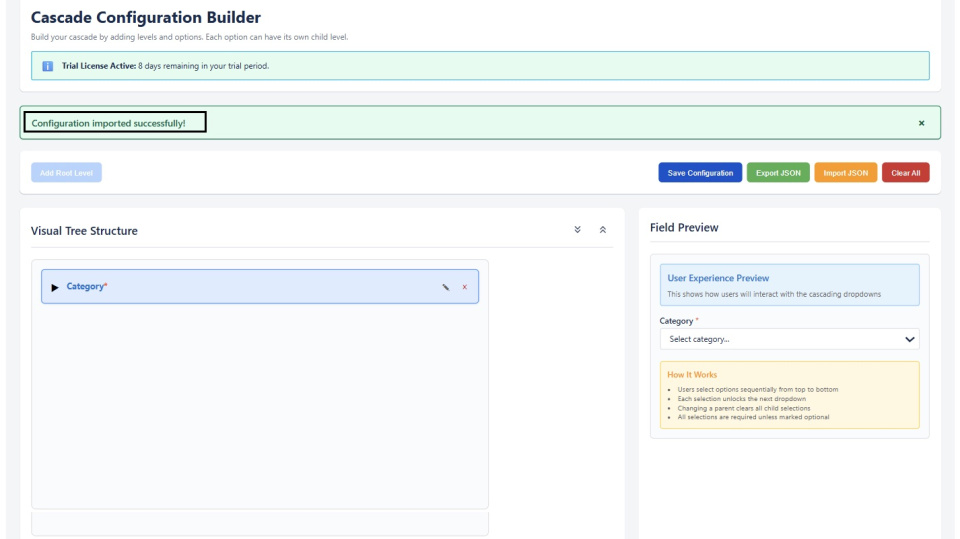

Press Release: Dublin, Ireland 19th November 2024

Test Triangle, Ireland’s leading IT Solutions Partner has further enabled its IT Service Management suite of services for their clients using the implementation and consultation of ServiceNow dedicated solutions including its extensive suite of products for IT operations, project management, and workflow optimisation. This collaboration with ServiceNow will help us continue our growth and broaden our ability to provide enterprise clients with premium project management solutions through a recognised leader in the space, complementing our existing strengths with Atlassian.

Our membership in the ServiceNow partner program amplifies Test Triangle’s commitment to excellence and to leverage on the latest technology for enterprise project management solutions. We sought this collaboration to add a top-tier ITSM solution to our offerings, allowing us to serve the needs of our clients with high customisation and scalability requirements. ServiceNow is a dominant player in the ITSM and project management space, especially favoured by enterprises seeking streamlined, effective, and efficient solutions to manage their internal IT and project workflows. This partnership aligns with Test Triangle’s existing expertise in the ITSM and project management space, developed over 10 years with our Atlassian services and positions the company on a planned trajectory of growth.

“We’re thrilled to partner with ServiceNow as we are increasingly seeking ways to automate and optimise our customers business processes. Our strategic collaboration will only further expand our committed service offerings to our global clients. This alliance shows our commitment to helping businesses in Ireland, the Netherlands and Canada to ultimately achieve our strategic objectives”, said Praveen Madire, CEO Test Triangle.

About Test Triangle
“We’re thrilled to partner with ServiceNow as we are increasingly seeking ways to automate and optimise our customers business processes. Our strategic collaboration will only further expand our committed service offerings to our global clients. This alliance shows our commitment to helping businesses in Ireland, the Netherlands and Canada to ultimately achieve our strategic objectives”, said Praveen Madire, CEO Test Triangle.

About ServiceNow
ServiceNow is a software company that provides a cloud-based, AI-driven platform for automating multiple management workflows in enterprises. The company specialises in IT service management, IT operations management and IT business management. Founded in 2004, ServiceNow offers an intelligent, cloud-based platform and tools for automating, managing and optimising many enterprise processes. For more information, visit: www.servicenow.com.

For more information, please visit https://testtriangle.techfynder.com/
Locations: Ireland I India | UK | USA
Media Contact
Paul Guy, paul_guy@testtriangle.com